

The source of the book
This book is published for the public benefit under a Creative Commons license, or with the permission of the author or publisher. If you have any objections to its publication, please contact us.
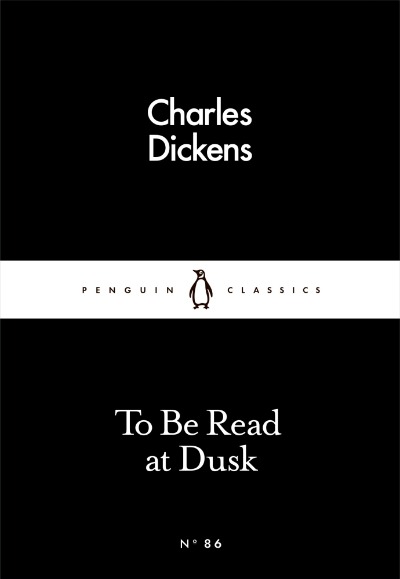
To Be Read at Dusk PDF - Charles Dickens
Charles Dickens • Literary novels • 440 Pages
(0)
Quate
Review
Save
Share
Book Description
To Be Read at Dusk by Charles Dickens is a compact, atmospheric work of Victorian ghost fiction that captures the eerie power of stories exchanged in half-light, when certainty fades and imagination begins to take hold. Set against the dramatic stillness of the Swiss Alps, the story gathers a group of travellers and couriers in a remote mountain setting, where conversation turns naturally toward the uncanny. What begins as an almost casual exchange of strange experiences gradually becomes a layered meditation on fear, fate, coincidence, and the mysterious border between the ordinary world and the supernatural.
Unlike a conventional horror story built on sudden shocks, To Be Read at Dusk relies on mood, suggestion, and psychological unease. Dickens creates suspense through voices, memories, and reported events, allowing the reader to feel the unsettling effect of stories that cannot be easily explained away. The title itself invites a particular reading experience: this is a tale meant for twilight, for the moment between day and night, when shadows lengthen and familiar things appear slightly altered. For readers searching for a classic ghost story by Charles Dickens, this work offers a brief but memorable encounter with the darker, more mysterious side of one of English literature’s most enduring authors.
A Classic Dickens Ghost Story with a Distinctive Frame
At the heart of To Be Read at Dusk is the tradition of storytelling itself. Dickens frames the narrative around people who tell one another strange accounts, creating a sense of distance that makes the events feel both uncertain and more disturbing. The reader is not simply handed a single supernatural incident; instead, the story unfolds through recollection, conversation, and the persuasive rhythm of voices sharing what they have seen, heard, or been told. This structure gives the work the feel of an old fireside tale, yet its Alpine setting gives it a cold, open, and haunting quality.
The use of couriers and travellers is especially effective because these figures move between places, languages, households, and private lives. They are witnesses to other people’s journeys, secrets, anxieties, and tragedies. Through them, Dickens explores how stories travel, how rumours become legends, and how unexplained events gain force when repeated by those who claim no interest in exaggeration. The result is a short Victorian supernatural tale that feels larger than its length, filled with suggestions of hidden histories and emotional disturbances just beyond the edge of ordinary explanation.
Mystery, Atmosphere, and the Power of the Unexplained
One of the most appealing qualities of To Be Read at Dusk is its refusal to reduce the mysterious to a simple answer. Dickens presents strange experiences with enough detail to disturb the reader, but not so much explanation that the wonder disappears. The story’s supernatural elements are bound to dreams, apparitions, warnings, doubles, and uncanny recognition, making it ideal for readers interested in Gothic literature, psychological ghost stories, and classic tales of the unexplained.
The atmosphere is central to the reading experience. The mountainous landscape, the fading light, and the gathering of voices all contribute to a mood of suspense. Dickens understands that the most powerful ghost stories do not always depend on visible ghosts; sometimes they depend on suggestion, timing, and the fear that reality may be less stable than it appears. In this sense, To Be Read at Dusk is not only a ghost story but also a study of how human beings respond when reason fails to account for what they have experienced.
Charles Dickens and the Victorian Fascination with Ghosts
Charles Dickens is best known for major novels such as Oliver Twist, David Copperfield, Bleak House, and Great Expectations, but his shorter supernatural fiction remains an important part of his literary legacy. Dickens had a remarkable ability to combine vivid setting, memorable voices, social observation, and emotional intensity, and these gifts are all present in miniature in To Be Read at Dusk. The story shows his talent for creating tension without haste, building a scene through tone and implication until the reader feels drawn into the same uncertain atmosphere as the characters.
Victorian readers were deeply interested in ghost stories, spiritual mystery, dreams, omens, and the unseen forces that might shape human life. Dickens engages with that fascination while keeping the story grounded in recognizable human emotions: fear, longing, grief, curiosity, and the need to make meaning from disturbing events. This balance between the supernatural and the psychological gives the tale lasting appeal. Modern readers can enjoy it both as a classic ghost story and as an example of Dickens’s skill in using short fiction to explore questions that remain unresolved.
A Short Tale Rich in Gothic and Psychological Tension
Although To Be Read at Dusk is brief, it is rich in literary texture. Dickens does not waste space on unnecessary explanation. Instead, he creates a concentrated experience in which setting, voice, and mystery work together. The story’s power comes from its layered form: one person listens, others speak, and within those spoken accounts are events that seem to resist ordinary interpretation. This layered storytelling makes the reader aware of how uncertainty grows. Each account feels personal, yet each also becomes part of a wider pattern of strangeness.
For readers who enjoy short classic books, Victorian Gothic stories, and literary ghost fiction, this tale offers a satisfying combination of elegance and unease. It is accessible enough to be read in one sitting, yet suggestive enough to invite reflection afterward. The story does not depend on elaborate plot twists or dramatic violence. Its effect is quieter and more lasting: a feeling that some encounters, dreams, and warnings may remain unexplained no matter how carefully they are examined.
Who Should Read To Be Read at Dusk?
To Be Read at Dusk is well suited to readers who want to explore Dickens beyond his famous novels. It is a strong choice for anyone interested in classic English literature, 19th-century ghost stories, supernatural short fiction, or the darker atmospheric side of Victorian writing. Readers who appreciate stories built on mood rather than action will find much to enjoy here, especially in the way Dickens turns a simple conversation into a gathering of unsettling possibilities.
The book is also valuable for students and general readers studying Dickens’s range as a writer. It shows how effectively he could work within a shorter form, using a limited frame to create suspense and thematic depth. The story can be read as a piece of entertainment, a Gothic curiosity, or a subtle reflection on memory, belief, and the human attraction to stories that disturb our confidence in the visible world.
A Haunting Reading Experience for Lovers of Classic Supernatural Fiction
To Be Read at Dusk by Charles Dickens remains a memorable example of how much atmosphere and mystery can be contained in a short work. Its twilight setting, travelling storytellers, and uncanny incidents create a reading experience that feels intimate, old-fashioned, and quietly disturbing. Dickens does not simply ask whether ghosts exist; he asks why certain stories grip the imagination, why some experiences seem to demand retelling, and why the unexplained continues to fascinate us.
For readers looking for a Charles Dickens ghost story, a brief work of Victorian Gothic fiction, or a classic tale to read in a reflective and atmospheric mood, To Be Read at Dusk offers exactly what its title promises: a story best approached when the day is fading, the light is uncertain, and the mind is open to mystery.
Charles Dickens
Earn Rewards While Reading!
Every 10 pages you read and spent 30 seconds on every page, earns you 5 reward points! Keep reading to unlock achievements and exclusive benefits.
Read
Rate Now
5 Stars
4 Stars
3 Stars
2 Stars
1 Stars
To Be Read at Dusk Quotes
Top Rated
Latest
Quate
Be the first to leave a quote and earn 10 points
instead of 3
'%20/%3e%3c/svg%3e "A tale of two cities")
Comments
Be the first to leave a comment and earn 5 points
instead of 3