

The source of the book
This book is published for the public benefit under a Creative Commons license, or with the permission of the author or publisher. If you have any objections to its publication, please contact us.
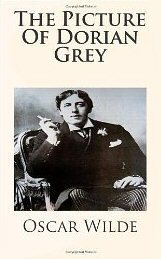
The Picture of Dorian Grey PDF - Oscar Wilde
Oscar Wilde • Fantasy novels • 199 Pages
(0)
Quate
Review
Save
Share
Book Description
The Picture of Dorian Gray is one of the most enduring and provocative works of classic English literature, written by the iconic Irish author Oscar Wilde. Often associated with the late Victorian era’s fascination with beauty, morality, and social appearance, this novel continues to captivate readers with its haunting exploration of vanity, desire, and the hidden consequences of a life devoted to pleasure. While sometimes searched under the variant spelling The Picture of Dorian Grey, the correct title remains The Picture of Dorian Gray, a detail that reflects its long-standing presence in literary discussions and academic study across the world.
At its core, the novel tells the story of a young man whose extraordinary beauty becomes both his greatest gift and his deepest curse. Dorian Gray is introduced as a strikingly handsome and innocent figure who quickly becomes the subject of admiration among London’s elite. Under the influence of Lord Henry Wotton, a charismatic and cynical aristocrat, Dorian begins to embrace a philosophy of extreme aestheticism—one that prioritizes beauty, pleasure, and sensory experience above morality or consequence. This philosophical awakening sets the stage for a dramatic transformation that lies at the heart of the novel’s enduring appeal.
The central premise of the story revolves around a mysterious portrait painted by the talented artist Basil Hallward. The painting captures Dorian’s beauty in perfect detail, becoming a symbol of artistic devotion and idealized youth. However, after a fateful wish—made in a moment of fear and longing—Dorian desires that the portrait age instead of him, allowing him to remain forever young. This wish becomes the novel’s most powerful supernatural element, as the portrait begins to reflect the hidden corruption of Dorian’s soul while his outward appearance remains untouched by time.
As the narrative unfolds, Dorian’s life becomes increasingly consumed by indulgence and moral decline. Guided by Lord Henry’s provocative ideas and shielded by his unchanging beauty, he pursues a lifestyle filled with excess, manipulation, and emotional detachment. Yet every sinful act leaves a mark not on his face, but on the portrait hidden away in his home. The once-beautiful image slowly transforms into something grotesque, serving as a visual manifestation of guilt, corruption, and the consequences of unchecked desire.
One of the novel’s most compelling aspects is its deep exploration of aestheticism and moral philosophy, two central themes in Oscar Wilde’s work. The story raises profound questions about the relationship between beauty and ethics, suggesting that an obsession with surface-level perfection can lead to spiritual emptiness. Lord Henry’s witty yet dangerous influence introduces ideas about living for pleasure and rejecting societal norms, while Dorian’s journey demonstrates the destructive potential of such beliefs when taken to extremes.
Another significant theme is the duality of human nature. The contrast between Dorian’s outward appearance and the hidden state of his soul reflects the broader Victorian anxiety about appearances versus reality. In public, Dorian remains admired and respected, a symbol of elegance and refinement. In private, however, he becomes increasingly isolated, haunted by the changing portrait that mirrors his internal decay. This tension between external beauty and internal corruption is one of the key reasons the novel remains so relevant in modern literary discussions.
The characters in The Picture of Dorian Gray are richly symbolic and carefully constructed. Dorian himself represents innocence corrupted by influence and desire. Lord Henry embodies intellectual seduction and moral relativism, challenging traditional values with sharp wit and philosophical detachment. Basil Hallward, the painter, serves as the voice of sincerity and artistic devotion, deeply connected to the moral beauty he sees in Dorian. Together, these characters create a complex dynamic that drives the novel’s psychological depth.
Stylistically, Oscar Wilde’s writing is known for its elegance, wit, and epigrammatic brilliance. The dialogue is filled with memorable lines that reflect Wilde’s signature style, blending humor with philosophical insight. Beneath this refined surface, however, lies a darker narrative that gradually shifts from social commentary to psychological horror. This combination of aesthetic beauty and moral darkness is what gives the novel its unique and lasting impact.
The reading experience of The Picture of Dorian Gray is both captivating and unsettling. It begins with the charm of high society and intellectual conversation, gradually descending into a more ominous and introspective tone. As Dorian’s actions become more morally questionable, the atmosphere of the novel shifts, creating a sense of inevitable tragedy. This gradual transformation mirrors the protagonist’s own descent, making the reader increasingly aware of the cost of his choices.
From an SEO and literary perspective, the novel is often associated with keywords such as Gothic fiction, Victorian literature, philosophical novels, moral corruption stories, and classic horror literature. Its blend of supernatural elements and psychological depth places it at the intersection of Gothic tradition and modern philosophical storytelling. Readers searching for books about eternal youth, Faustian bargains, or the consequences of vanity will find this novel particularly compelling.
The influence of The Picture of Dorian Gray extends far beyond its original publication. It has inspired countless adaptations in film, theater, visual arts, and modern literature. Its themes remain relevant in contemporary discussions about beauty standards, social media identity, and the pressure to maintain a perfect image. The idea of a hidden “portrait” reflecting one’s true self resonates strongly in a digital age where appearance and reality often diverge.
Oscar Wilde’s novel also holds a significant place in academic study, frequently analyzed in courses on English literature, ethics, and cultural studies. Its exploration of hedonism, morality, and identity continues to generate critical debate, making it a staple of literary scholarship. The novel’s ability to provoke discussion across generations is a testament to its depth and complexity.
In conclusion, The Picture of Dorian Gray remains a powerful and timeless exploration of beauty, morality, and human desire. Its haunting narrative, unforgettable characters, and philosophical richness ensure its place as one of the most important works in English literature. Whether read as a Gothic tale, a moral allegory, or a psychological study, it continues to challenge and inspire readers, offering a compelling reflection on the price of eternal youth and the hidden consequences of living without restraint.
Oscar Wilde
Oscar Wilde (1854-1900) was an Irish playwright, poet, and novelist who is widely regarded as one of the greatest writers of the Victorian era. He was born in Dublin, Ireland, and educated at Trinity College, Dublin, and Magdalen College, Oxford. Wilde was a flamboyant figure in Victorian society, known for his wit, dandyism, and homosexuality, which was then considered a crime.
Wilde's literary career began in the 1880s, when he gained popularity with his comedic plays, including "Lady Windermere's Fan," "A Woman of No Importance," and "The Importance of Being Earnest." These plays were known for their clever wordplay, social commentary, and satirical portrayal of Victorian society.
In addition to his plays, Wilde also wrote novels, including "The Picture of Dorian Gray," which tells the story of a beautiful young man who makes a Faustian pact to remain young and beautiful while his portrait ages and becomes ugly. The novel caused controversy when it was first published in 1890 because of its decadent themes and homoerotic undertones.
Despite his literary success, Wilde's personal life was tumultuous. In 1895, he was convicted of homosexual acts and sentenced to two years of hard labor. The trial and subsequent imprisonment destroyed his reputation and health, and he died in Paris in 1900, at the age of 46.
Wilde's legacy lives on through his works, which continue to be celebrated for their wit, humor, and social commentary. His writing has influenced generations of writers, and his plays continue to be performed and adapted for film and television. Today, Wilde is remembered not only as a great writer, but also as a symbol of resistance against Victorian moralism and hypocrisy.
Earn Rewards While Reading!
Every 10 pages you read and spent 30 seconds on every page, earns you 5 reward points! Keep reading to unlock achievements and exclusive benefits.
Read
Rate Now
5 Stars
4 Stars
3 Stars
2 Stars
1 Stars
The Picture of Dorian Grey Quotes
Top Rated
Latest
Quate
Be the first to leave a quote and earn 10 points
instead of 3
Other books by Oscar Wilde
Other books like The Picture of Dorian Grey
'%20/%3e%3c/svg%3e "Fantastic Beasts: The Crimes of Grindelwald - the Original Screenplay")
J. K. Rowling.
Fantasy novels
(0)
7573
English
Comments
Be the first to leave a comment and earn 5 points
instead of 3