

The source of the book
This book is published for the public benefit under a Creative Commons license, or with the permission of the author or publisher. If you have any objections to its publication, please contact us.
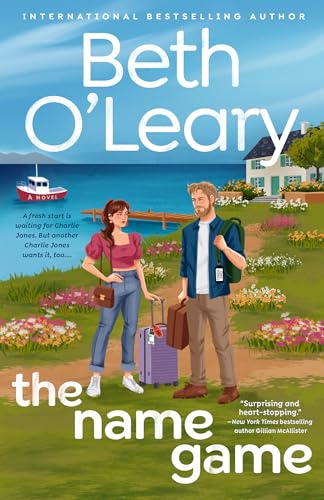
The Name Game PDF - Beth O'Leary
Beth O'Leary • romantic novels • 324 Pages
(0)
Quate
Review
Save
Share
Book Description
The Name Game by Beth O’Leary is a charming and emotionally layered contemporary romance novel built around a wonderfully unusual premise: two strangers, both named Charlie Jones, arrive on the remote Isle of Ormer believing they have been hired for the same job. What begins as confusion at a small island farm shop becomes a story about identity, reinvention, grief, heartbreak, community, and the surprising ways love can find people when they are trying hardest to begin again. Published in April 2026, the novel continues Beth O’Leary’s distinctive style of uplifting romantic fiction, combining humor, tenderness, emotional depth, and a memorable high-concept setup.
A Fresh-Start Romance with an Irresistible Premise
At the heart of The Name Game are two people who arrive on the Isle of Ormer hoping for a clean slate. Charlie is grieving, lost, and ready to leave the past behind by becoming the manager of the island’s farm shop. Jones, also named Charlie Jones, is escaping a difficult breakup, old habits, and the noise of city life, looking for peace in a place that feels far removed from everything he wants to forget. Their shared name is more than a playful romantic-comedy twist; it becomes the spark for a story about who we are when the roles, relationships, and places that once defined us begin to fall away.
The novel’s setup offers exactly the kind of hook readers often look for in a Beth O’Leary romance: a clever meet-cute, a strong emotional undercurrent, and a situation that is both funny and full of potential complications. The farm shop on Ormer becomes a space of forced proximity, misunderstanding, rivalry, curiosity, and gradual connection. Instead of relying only on romantic tension, the story uses its central mistake to explore how two people can carry very different wounds while wanting the same thing: a chance to start again somewhere quieter, kinder, and more honest.
The Isle of Ormer: A Remote Setting Full of Atmosphere and Community
The Isle of Ormer gives The Name Game a vivid sense of place. With its small population, one farm shop, and secluded island atmosphere, Ormer feels like the kind of setting where secrets are difficult to hide and new arrivals are impossible to ignore. The publisher describes the island as remote and wild, and that isolation becomes essential to the reading experience, creating a world that feels intimate, atmospheric, and emotionally concentrated.
For readers who enjoy small-town romance, island romance, or stories centered on close-knit communities, this setting adds warmth and texture to the novel. Ormer is not just a backdrop for the love story; it shapes the characters’ choices, their discomfort, their healing, and their relationships with the people around them. The island’s farm shop gives the book a grounded, everyday charm, while the surrounding sense of remoteness brings a slightly moody, autumnal quality that suits a romance about starting over after emotional upheaval.
Second Chances, Identity, and the Question of Who We Become Next
Although The Name Game has a playful title and a romantic-comedy premise, its emotional appeal comes from the deeper questions beneath the humor. Both Charlies are trying to separate themselves from painful versions of their past. One is carrying grief and uncertainty; the other is recovering from heartbreak and the consequences of life choices that no longer feel sustainable. Their identical names create confusion, but the real story is about identity: how much of a person is tied to a name, a job, a relationship, or a former life?
This makes the novel especially appealing for readers searching for romance books about second chances, fresh start fiction, healing romance, and emotionally satisfying contemporary fiction. Beth O’Leary is known for writing love stories that balance lightness with real feeling, and her author site describes her work as uplifting love stories, the kind readers turn to for comfort and emotional warmth. In The Name Game, that warmth is paired with a sharp central concept, giving the book both escapist pleasure and emotional substance.
Beth O’Leary’s Signature Blend of Wit, Heart, and Romantic Tension
Readers familiar with The Flatshare, The Switch, The Road Trip, The No-Show, The Wake-Up Call, and Swept Away will recognize many of the qualities that have made Beth O’Leary a favorite name in modern romantic fiction. Her novels often begin with a distinctive situation, but their lasting power comes from the emotional truth behind the concept. She writes characters who are funny, flawed, vulnerable, and quietly searching for belonging, and she has a gift for turning unusual arrangements into stories about trust, intimacy, and personal growth.
The Name Game fits naturally within that tradition while offering a fresh take on the “boy meets girl” structure. The shared-name mistake creates immediate comic energy, but the romance develops through proximity, tension, island life, and the slow discovery of what each Charlie is trying to escape. The result is a British contemporary romance that feels witty without being shallow, cozy without being predictable, and heartfelt without becoming overly sentimental.
A Contemporary Romance for Readers Who Like Humor with Emotional Depth
One of the strengths of The Name Game by Beth O’Leary is its ability to appeal to several kinds of readers at once. Fans of romantic comedy will enjoy the mistaken-identity energy, the awkwardness of two Charlie Joneses claiming the same job, and the natural humor that comes from a community watching the confusion unfold. Readers who prefer more emotional contemporary fiction will be drawn to the themes of grief, heartbreak, self-renewal, and the courage it takes to build a different life after disappointment.
This is a strong choice for readers who enjoy forced proximity romance, slow-burn romantic tension, small community fiction, and love stories with an emotional secret at the center. It also works well for readers who want a romance novel that offers more than flirtation: a story with atmosphere, character growth, and a setting that feels alive. The novel’s related genres include Women’s Fiction and Contemporary Romance, reflecting its blend of relationship-centered storytelling, emotional development, and romantic appeal.
Why The Name Game Stands Out
The appeal of The Name Game lies in how Beth O’Leary turns a simple coincidence into a rich emotional situation. Two people with the same name arrive in the same place for the same job, but the story is not only about who gets to stay. It is about what each of them has lost, what they are willing to change, and whether a fresh start can truly work when the past has not been fully faced. The name mix-up becomes a clever doorway into questions of fate, identity, community, and love.
For readers looking for a heartwarming romance novel, a new Beth O’Leary book, or a contemporary love story with humor, tenderness, and a memorable setting, The Name Game offers an engaging and emotionally rewarding reading experience. It brings together the pleasures of a clever romantic setup with the deeper satisfaction of watching two wounded people find their way toward honesty, belonging, and connection in the most unexpected of places.
Beth O'Leary
Beth O'Leary is a British contemporary romance and romantic comedy author whose novels have become widely loved for their warmth, wit, emotional generosity, and memorable high-concept premises. She is best known for her bestselling debut The Flatshare, a charming and original novel about Tiffy Moore and Leon Twomey, two strangers who share the same flat and even the same bed at different times of day without initially meeting in person. That unusual setup allowed O’Leary to create a story full of notes, domestic details, humor, longing, and slow-burn intimacy, and it quickly established her as a fresh voice in commercial fiction. The Flatshare sold in large numbers, reached readers in many countries, and was later adapted for television, giving her work a broader cultural presence beyond the page. Since that debut, O’Leary has continued to build a distinctive body of fiction with novels such as The Switch, The Road Trip, The No-Show, The Wake-Up Call, Swept Away, and The Name Game. Across these books, she returns to the pleasures of romantic storytelling while refusing to make love feel simple, shallow, or disconnected from the realities of everyday life. Her characters are often ordinary people caught at moments of transition: they are recovering from heartbreak, changing careers, reassessing family roles, running from uncomfortable truths, or trying to rebuild trust after disappointment. In The Switch, she explores the bond between a grandmother and granddaughter who exchange lives, turning a playful premise into a tender reflection on age, community, grief, and the courage to begin again. In The Road Trip, she places former lovers and their companions inside the close pressure of a shared journey, using the physical road trip as a structure for memory, regret, humor, and unresolved feeling. In The No-Show, she experiments with perspective and expectation, telling a story that appears at first to be a romantic puzzle but gradually reveals deeper emotional stakes. In The Wake-Up Call, she brings her gift for workplace tension, festive warmth, and enemies-to-lovers chemistry into the setting of a struggling hotel. Later books such as Swept Away and The Name Game show her continuing interest in playful premises that open into stories about vulnerability, risk, belonging, and second chances. Before writing full time, O’Leary worked in publishing, and that professional background is visible in the polished structure, strong pacing, and reader-friendly clarity of her novels. Her prose is accessible without being flat, funny without being cruel, and romantic without losing touch with pain, awkwardness, or emotional complexity. She writes banter well, but her appeal rests just as much on compassion: even her flawed characters are given room to grow, apologize, misunderstand, and change. For readers searching for contemporary romance, uplifting fiction, British romantic comedy, book-club-friendly love stories, or emotionally satisfying novels with humor and heart, Beth O’Leary is a highly recommended author. Her books offer the comfort of a happy ending while acknowledging that real happiness often requires honesty, forgiveness, community, and the bravery to choose a different life.
Earn Rewards While Reading!
Every 10 pages you read and spent 30 seconds on every page, earns you 5 reward points! Keep reading to unlock achievements and exclusive benefits.
Read
Rate Now
5 Stars
4 Stars
3 Stars
2 Stars
1 Stars
The Name Game Quotes
Top Rated
Latest
Quate
Be the first to leave a quote and earn 10 points
instead of 3
'%20/%3e%3c/svg%3e "The Switch")
Comments
Be the first to leave a comment and earn 5 points
instead of 3