

The source of the book
This book is published for the public benefit under a Creative Commons license, or with the permission of the author or publisher. If you have any objections to its publication, please contact us.
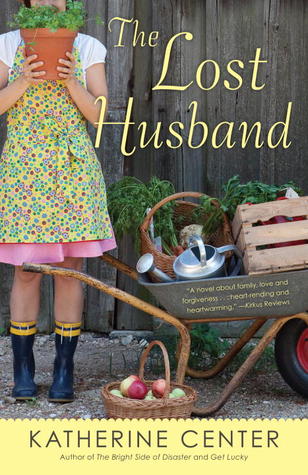
The Lost Husband PDF - Katherine Center
Katherine Center • romantic novels • 217 Pages
(0)
Quate
Review
Save
Share
Book Description
The Lost Husband by Katherine Center is a tender and emotionally satisfying contemporary women’s fiction novel about rebuilding a life after loss, learning to accept help, and discovering that a broken heart can still make room for unexpected joy. First published in 2013, the novel follows Libby Moran, a widowed mother whose life has been reshaped by the sudden death of her husband, Danny, and by the painful practical realities that come afterward: financial strain, emotional exhaustion, and the challenge of raising two children while feeling as if her own life has disappeared beneath grief.
At the beginning of the story, Libby is living with her critical mother, caught in a situation that feels more like survival than healing. Then a letter arrives from Aunt Jean, an eccentric relative Libby barely knows, offering her a place to live and a job on a goat farm in the Texas Hill Country. The invitation is unusual, unexpected, and exactly disruptive enough to make Libby consider a new path. With her children in tow, she leaves behind the familiar pressures of her old life and heads toward a rural landscape filled with hard work, quiet spaces, strange new people, and the possibility of becoming herself again.
A Moving Story of Loss, Renewal, and Found Family
At its heart, The Lost Husband is a novel about what remains after life takes away what once felt permanent. Katherine Center writes about grief without making the story feel heavy or hopeless; instead, she explores the slow, uneven process of recovery through everyday moments, family tension, humor, awkwardness, and connection. Libby’s journey is not about simply “moving on” from her husband’s death. It is about learning how to keep living with love, memory, responsibility, and uncertainty all at once.
The Texas farm setting gives the novel a gentle but vivid sense of transformation. Life with Aunt Jean is not polished or easy, and Libby is not magically healed by a change of scenery. The physical demands of farm work, the presence of animals, and the deep quiet of the countryside all force her to slow down and notice what she has been carrying. In that new environment, she begins to see that healing can come through routine, honesty, labor, laughter, and the surprising comfort of people who do not require her to pretend she is fine.
A Katherine Center Novel Full of Heart and Emotional Comfort
Readers who enjoy Katherine Center books will find many of the qualities that have made her fiction so beloved: emotionally resilient heroines, complicated families, warm humor, romantic possibility, and a strong belief in the human ability to recover after hardship. The Lost Husband balances sadness with charm, creating the kind of reading experience that feels both comforting and meaningful. It is a story for readers who like novels about second chances, but also for those who appreciate characters who earn their hope slowly rather than receiving it too easily.
The book also includes the kind of relational depth that makes romantic women’s fiction appealing to a broad audience. Libby’s story includes attraction, emotional uncertainty, and the possibility of new love, but the romance is woven into a larger journey of identity, motherhood, and belonging. The novel is just as invested in Libby’s relationship with her children, her difficult family history, and her growing bond with Aunt Jean as it is in any romantic storyline. That balance gives the book a layered, generous feeling, making it ideal for readers who want more than a simple love story.
Themes of Motherhood, Resilience, and Learning to Begin Again
One of the most compelling parts of The Lost Husband by Katherine Center is the way it portrays motherhood under pressure. Libby is grieving, overwhelmed, and uncertain, yet she is also deeply committed to creating a better life for her children. The novel understands that parenting after loss is not only about providing stability for children; it is also about trying to rebuild your own sense of courage while others depend on you. This gives Libby’s choices emotional weight and makes her growth feel grounded in real human struggle.
The theme of found family is equally important. Aunt Jean’s farm becomes more than a temporary refuge; it becomes a place where unconventional people, imperfect histories, and unexpected kindness create a new kind of home. Katherine Center shows that family is not always defined by ease or tradition. Sometimes it is built through forgiveness, shared work, honest conversation, and the people who show up when life has become too difficult to manage alone.
Why Readers Love The Lost Husband
The Lost Husband is a strong choice for readers searching for a heartwarming novel about grief and healing, a second-chance life story, or a comforting book about starting over after loss. It offers emotional depth without becoming bleak, romance without losing sight of personal growth, and humor without dismissing pain. The novel’s appeal comes from its ability to make difficult subjects feel approachable, sincere, and ultimately hopeful.
The book has also reached readers beyond the page through its film adaptation starring Leslie Bibb and Josh Duhamel, bringing its story of loss, rural renewal, and unexpected connection to a wider audience. For readers who discovered Katherine Center through novels such as The Bodyguard, Hello Stranger, Happiness for Beginners, or Things You Save in a Fire, this earlier novel offers a meaningful look at the themes that continue to shape her work: resilience, tenderness, self-trust, and the courage to choose joy again.
A Hopeful Contemporary Novel About What Can Still Be Found
The Lost Husband is ultimately a novel about the quiet miracle of realizing that life is not finished, even after devastating loss. Through Libby Moran’s move to Aunt Jean’s goat farm, Katherine Center creates a story filled with warmth, emotional honesty, and the kind of hope that feels earned rather than forced. It is a thoughtful and accessible book for readers who want a moving family drama, a gentle romance, and a story about a woman learning to stand again after everything familiar has fallen apart.
For anyone looking for Katherine Center’s The Lost Husband, a women’s fiction novel about healing, or a heartfelt story of motherhood, grief, love, and new beginnings, this book offers a comforting reminder that starting over does not mean forgetting the past. Sometimes it means discovering that even after loss, there is still a home to build, a family to choose, and a future waiting to be found.
Katherine Center
Katherine Center is an American novelist and New York Times bestselling author whose warm, witty, emotionally generous romantic comedies have made her one of the most recognizable contemporary voices in comfort reads, women’s fiction, and modern love stories about resilience. Center’s books are often described as laugh-and-cry novels, and that phrase captures the distinctive promise of her work: she writes stories that are bright, funny, accessible, and deeply hopeful, but she also places her characters inside real emotional struggle, professional pressure, family complexity, grief, fear, injury, insecurity, and the hard work of beginning again. Long before she became known for bestselling novels such as “The Bodyguard,” “Hello Stranger,” “The Rom-Commers,” and “The Love Haters,” Center was a writer in formation, drafting stories early, studying creative writing at Vassar College, winning the Vassar College Fiction Prize, and later receiving a fellowship to the University of Houston’s Creative Writing Program. Her debut novel, “The Bright Side of Disaster,” introduced readers to the mixture of humor and heartbreak that would become central to her fiction. Since then, she has built a career around romantic comedies that take joy seriously. Her heroines are often capable women who have learned to function under stress but must relearn vulnerability; her heroes are usually appealing not because they rescue the heroine from life, but because they help create the conditions in which honesty, courage, and tenderness can grow. In “The Lost Husband,” Center writes about loss, rebuilding, family, and second chances; in “Happiness for Beginners,” she uses a wilderness survival course to explore reinvention and emotional bravery; in “How to Walk Away,” she turns a life-altering accident into a story about pain, identity, and unexpected hope. “Things You Save in a Fire” brings romance into the world of firefighters and asks what courage means when professional bravery is easier than emotional openness. “What You Wish For” explores joy as a deliberate choice rather than a naïve mood. “The Bodyguard,” one of her most widely recognized novels, reverses expectations by making the professional protector a woman and the person needing protection a famous actor, creating a rom-com that is playful, tender, and interested in public image, private loneliness, and trust. “Hello Stranger” follows a portrait artist facing face blindness, allowing Center to write about perception, identity, and love when recognition itself becomes complicated. “The Rom-Commers” celebrates the genre directly through a screenwriting premise, while “The Love Haters” follows a video producer who cannot swim but must profile a U.S. Coast Guard rescue swimmer in Key West. Two of Center’s novels have reached screen audiences: “The Lost Husband” was adapted into a film starring Josh Duhamel, and “Happiness for Beginners” became a Netflix original starring Ellie Kemper. Her forthcoming novel “The Shippers,” scheduled for May 19, 2026, is a cruise-ship wedding romance with childhood friends, fake flirting, and a second-chance emotional current. Center lives in her hometown of Houston, Texas, and remains a beloved author for readers who want romance that is funny, kind, craft-conscious, big-hearted, and grounded in the conviction that joy matters as much as sorrow.
Earn Rewards While Reading!
Every 10 pages you read and spent 30 seconds on every page, earns you 5 reward points! Keep reading to unlock achievements and exclusive benefits.
Read
Rate Now
5 Stars
4 Stars
3 Stars
2 Stars
1 Stars
The Lost Husband Quotes
Top Rated
Latest
Quate
Be the first to leave a quote and earn 10 points
instead of 3
'%20/%3e%3c/svg%3e "The Bodyguard")
Comments
Be the first to leave a comment and earn 5 points
instead of 3