

The source of the book
This book is published for the public benefit under a Creative Commons license, or with the permission of the author or publisher. If you have any objections to its publication, please contact us.
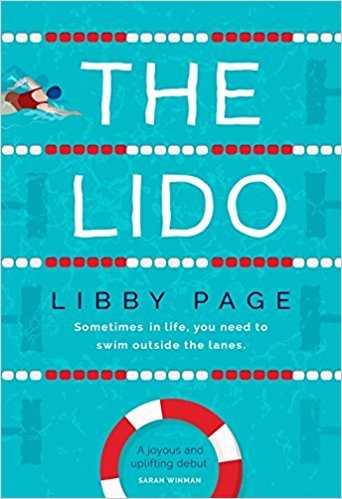
The Lido PDF - Libby Page
Libby Page • romantic novels • 374 Pages
(0)
Quate
Review
Save
Share
Book Description
The Lido by Libby Page is a heartfelt contemporary novel about loneliness, connection, community spirit, and the quiet courage it takes to protect the places that make people feel at home. Set in Brixton, London, the story brings together two women from very different generations: Rosemary, an eighty-six-year-old lifelong resident who swims daily at her local lido, and Kate, a twenty-six-year-old local journalist trying to find her confidence in a city that often feels too large and impersonal. When the lido is threatened with closure, their lives become unexpectedly linked through a campaign that is about far more than saving a swimming pool. Published in the United States as Mornings with Rosemary, The Lido is Libby Page’s debut novel and is described by its publisher as a Sunday Times Top Ten Bestseller.
A Moving Story of Two Women and One Beloved Place
At the centre of The Lido is the unlikely friendship between Rosemary and Kate. Rosemary has lived in Brixton all her life, and the local lido is woven into her memories of love, loss, routine, and belonging. It is not simply a public pool to her; it is a living part of her past, a place connected to her late husband George, her daily rhythms, and the community she has watched change around her. Kate, meanwhile, has recently moved to London and feels adrift. At the beginning of her journalism career, she is eager to prove herself, but beneath that ambition is a deeper need for friendship, purpose, and emotional grounding.
When Kate is assigned to report on the possible closure of the lido, she first sees it as a professional opportunity. For Rosemary, however, the threat is deeply personal. The lido represents continuity in a neighbourhood where familiar places are disappearing, and its loss would mean another break with the life she has known. Through this shared cause, the two women begin to understand one another, and the novel unfolds as a tender exploration of how people can meet across age, experience, and circumstance.
Friendship, Loneliness, and the Search for Home
One of the strongest themes in The Lido by Libby Page is the healing power of friendship. The novel does not treat loneliness as something limited to one age group or one life stage. Kate is young, living in a busy city, and surrounded by possibility, yet she feels isolated and uncertain. Rosemary is older, rooted in her neighbourhood, and rich in memories, yet she also carries grief and the ache of a changing world. By placing these two characters together, Libby Page creates a story that feels emotionally generous and deeply human.
This makes the novel especially appealing to readers searching for uplifting fiction about friendship, books about community, intergenerational friendship novels, and feel-good contemporary fiction with emotional depth. The friendship between Rosemary and Kate is not sentimental in a shallow way; it grows through listening, shared action, vulnerability, and mutual respect. Each woman gives the other something essential. Rosemary helps Kate see the value of local history, everyday courage, and belonging. Kate helps Rosemary feel heard at a time when the world around her seems eager to move on without remembering what came before.
A Love Letter to Community and Outdoor Swimming
The lido itself is more than a setting. It functions as the emotional heart of the novel, a place where private lives meet public space. In The Lido, swimming becomes a symbol of endurance, renewal, memory, and freedom. The water offers rhythm and release, while the poolside becomes a gathering place for people who may not otherwise cross paths. Libby Page, whose own interests include outdoor swimming, brings warmth and authenticity to this world, allowing the lido to feel vivid, loved, and worth defending.
The campaign to save the lido gives the novel its forward movement, but the deeper story is about what communities lose when shared spaces disappear. Libraries, small shops, pools, parks, and local gathering places often hold memories that cannot be measured only in money or development plans. The Lido gently asks readers to consider why ordinary places matter, how neighbourhoods are shaped by the people who use them, and what happens when individuals decide that something beloved is worth protecting.
A Contemporary Novel with Warmth, Hope, and Emotional Depth
Readers who enjoy character-driven novels will find much to appreciate in The Lido. Libby Page’s writing is warm, accessible, and observant, with a tone that balances sadness and hope. The novel deals with grief, anxiety, change, and isolation, but it does so through a story that remains compassionate and life-affirming. Rather than relying on dramatic twists, it builds its power through small acts of kindness, conversations, memories, and the gradual strengthening of trust between people.
The book is often associated with heartwarming fiction, women’s fiction, contemporary British fiction, and book club fiction, but its appeal reaches beyond labels. It is a novel for readers who like stories about ordinary people doing meaningful things. It is also a strong choice for readers who appreciate books that explore the emotional life of cities: how someone can feel invisible in a crowded place, and how a single connection can begin to change that feeling.
Why Readers Connect with The Lido
The enduring appeal of The Lido by Libby Page lies in its belief that people need one another. The novel understands that belonging is not automatic; it is created through attention, care, shared memory, and collective action. Rosemary and Kate’s story reminds readers that friendship can arrive unexpectedly, that older people carry histories worth hearing, and that younger people often need community as much as they need opportunity.
For anyone looking for a comforting yet meaningful novel, a story about saving a local landmark, or a moving book about friendship and resilience, The Lido offers a deeply satisfying reading experience. It is gentle without being empty, emotional without being manipulative, and hopeful without ignoring the pain of change. Its themes of community, memory, loneliness, and renewal make it especially suitable for readers who enjoy novels that leave them with a sense of warmth and renewed attention to the people and places around them.
An Uplifting Read for Fans of Thoughtful Feel-Good Fiction
The Lido is a beautifully inviting novel about two women, one swimming pool, and the community that forms when people decide to stand together. Through Rosemary and Kate, Libby Page tells a story about friendship across generations, the importance of shared spaces, and the quiet transformation that can happen when someone feels seen for the first time in a long while. It is a thoughtful, tender, and uplifting book for readers who want contemporary fiction with heart, social awareness, and emotional sincerity.
For fans of uplifting literary fiction, British contemporary novels, stories about female friendship, and books about belonging, The Lido by Libby Page is a memorable and rewarding choice. It celebrates the places that hold our memories, the people who help us become braver, and the communities that remind us we are not alone.
Libby Page
Libby Page is a British novelist whose warm, emotionally generous fiction has made her a distinctive voice in contemporary Up Lit, women’s fiction, book-club fiction, and community-centered storytelling. She is best known for her debut novel The Lido, published in the United States as Mornings with Rosemary, a heartening story about Kate, a young local journalist feeling isolated in London, and Rosemary, an elderly lifelong swimmer whose memories are tied to a threatened outdoor pool in Brixton. Through their campaign to save the lido, Page created a novel about friendship across generations, the emotional value of public spaces, urban change, loneliness, and the quiet courage of ordinary people defending the places that hold their lives together. Before becoming a bestselling author, Page studied fashion journalism at London College of Fashion and worked in journalism and marketing, including work connected with The Guardian, experiences that helped shape her eye for social detail, accessible prose, and stories built around people trying to find connection in busy modern settings. Her fiction often begins with a recognizable place—a swimming pool, a café, a small island, a vintage clothes shop, a bookshop, or a river swimming group—and turns it into a stage for renewal, friendship, memory, and emotional recovery. After The Lido, she wrote The 24-Hour Café, a novel centered on best friends Hannah and Mona and the customers who pass through Stella’s Café over a single day; The Island Home, which explores family, belonging, and return through a remote Scottish island; The Vintage Shop of Second Chances, a novel about clothes, memory, grief, and new beginnings; The Lifeline, which revisits the spirit of The Lido through motherhood, mental health, outdoor swimming, and the need for community; and This Book Made Me Think of You, a later novel about grief, reading, love, and the way books can accompany a person through loss. Page’s work is often described through words such as uplifting, compassionate, heartwarming, and hopeful, but her novels are not simply escapist. They acknowledge anxiety, bereavement, loneliness, family wounds, creative frustration, and the pressure of modern life, then ask how friendship, routine, place, and small acts of bravery can help people keep going. Outdoor swimming, one of Page’s personal passions, is especially important in her authorial identity: in her fiction, swimming often becomes a symbol of embodied freedom, courage, cold-water resilience, and community found outside conventional social spaces. In addition to writing novels, Page works as a writing coach at The Novelry, mentoring other writers through the process of shaping their own books, and this professional role reflects her broader belief in the life-changing power of reading and storytelling. Her debut became a Sunday Times bestseller soon after publication, won the WHSmith Thumping Good Read Award, and reached readers in many international territories, helping establish her as an author whose books appeal to readers looking for contemporary fiction that is emotionally sincere, socially observant, and deeply readable. For book websites, Libby Page is a strong author profile for searches related to Up Lit novels, British contemporary fiction, uplifting women’s fiction, book-club reads, stories about friendship, community novels, outdoor swimming fiction, grief and healing novels, and feel-good literary fiction with emotional depth.
Earn Rewards While Reading!
Every 10 pages you read and spent 30 seconds on every page, earns you 5 reward points! Keep reading to unlock achievements and exclusive benefits.
Read
Rate Now
5 Stars
4 Stars
3 Stars
2 Stars
1 Stars
The Lido Quotes
Top Rated
Latest
Quate
Be the first to leave a quote and earn 10 points
instead of 3
'%20/%3e%3c/svg%3e "This Book Made Me Think of You")
Comments
Be the first to leave a comment and earn 5 points
instead of 3