

The source of the book
This book is published for the public benefit under a Creative Commons license, or with the permission of the author or publisher. If you have any objections to its publication, please contact us.
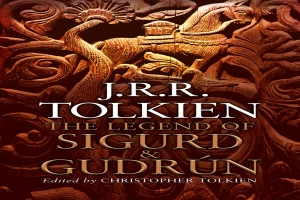
The Legend of Sigurd and Gudrun PDF - J. R. R. Tolkien
J. R. R. Tolkien • science fiction novels • 256 Pages
(0)
Author
J. R. R. TolkienCategory
literatureSection
Number Of Downloads
152
Number Of Reads
353
File Size
1.28 MB
Views
4,327
Quate
Review
Save
Share
Book Description
The Legend of Sigurd and Gudrún by J. R. R. Tolkien
The Legend of Sigurd and Gudrún is a powerful posthumous work by J. R. R. Tolkien, offering readers a rare encounter with the ancient Northern legends that helped shape his imagination. Edited by Christopher Tolkien and first published in 2009, the book brings together two major narrative poems, The New Lay of the Völsungs and The New Lay of Gudrún, alongside commentary and supporting material that illuminate Tolkien’s deep engagement with Norse mythology, the Poetic Edda, and the heroic traditions of early Germanic literature. (HarperCollins)
A Tolkien Work Rooted in Norse Legend
Unlike The Hobbit or The Lord of the Rings, this book is not a Middle-earth novel, but it reveals much about the mythic world from which Tolkien drew lifelong inspiration. Here, Tolkien turns to the story of Sigurd the dragon-slayer, the cursed treasure of Fáfnir, the proud and tragic Brynhild, the sorrow of Gudrún, and the fall of the Niflungs, also known through the wider tradition of the Nibelungs. The result is a work that feels ancient, austere, and heroic, yet unmistakably shaped by Tolkien’s ear for language, fate, courage, and loss. (HarperCollins)
At the heart of the book is a world of oaths, kinship, betrayal, treasure, vengeance, and doom. Tolkien does not simply retell these legends in ordinary prose; he recreates them in a compact, alliterative poetic form inspired by Old Norse verse. This gives The Legend of Sigurd and Gudrún a distinctive rhythm and gravity, making it especially appealing to readers interested in Tolkien’s poetry, Norse heroic legend, mythological fantasy, and the older storytelling traditions behind modern epic literature. (HarperCollins)
The Story of Sigurd, Gudrún, and the Fall of Heroes
The book’s first great movement, The New Lay of the Völsungs, follows the ancestry and rise of Sigurd, one of the most famous heroes of Northern legend. His story carries the grandeur of myth: a mighty lineage, a dragon to be slain, a treasure burdened with danger, and a meeting with Brynhild, a figure of beauty, strength, and tragic destiny. Tolkien presents these events with restraint and intensity, allowing the reader to feel the weight of each oath, each choice, and each shadow that gathers around the hero.
The second poem, The New Lay of Gudrún, turns toward the aftermath of heroic glory. Gudrún is not treated merely as a figure left behind by the deeds of warriors; she becomes central to the emotional and moral force of the legend. Through her grief, endurance, and terrible resolve, Tolkien gives the ancient material a severe dramatic power. Readers searching for a book about Sigurd and Gudrún, the Völsung legend, or the Fall of the Nibelungs will find here not a simplified fantasy adventure, but a grave and concentrated poetic treatment of one of Europe’s great mythic cycles.
A Reading Experience for Tolkien Fans and Mythology Readers
The Legend of Sigurd and Gudrún is best approached as a literary and mythological work rather than as a conventional fantasy novel. Its beauty lies in its compressed language, formal structure, and tragic atmosphere. The poems move with the force of old heroic song, where characters are often defined by destiny, loyalty, pride, and the consequences of ancient wrongs. This makes the book especially rewarding for readers who enjoy The Silmarillion, The Children of Húrin, or Tolkien’s darker, more elevated modes of storytelling.
For fans of J. R. R. Tolkien, the book offers a valuable look at the scholarly and poetic side of his imagination. Tolkien was not only a creator of fantasy worlds but also a philologist and a lifelong student of ancient languages and medieval literature. In this work, readers can sense the same fascination with lost ages, noble houses, doomed heroes, dragon-hoards, and remembered songs that echoes through his better-known legendarium. Even though the book stands outside the story of Middle-earth, it helps readers understand the mythic atmosphere that nourished Tolkien’s creative vision.
Themes of Fate, Courage, Love, and Revenge
The major themes of The Legend of Sigurd and Gudrún are timeless and severe. Fate is everywhere: heroes act with courage, yet their victories are shadowed by curses and consequences. Love becomes inseparable from pride, misunderstanding, and grief. Treasure promises power but carries corruption. Family bonds create strength, yet they also become the source of betrayal and vengeance. Tolkien handles these themes with an ancient seriousness, avoiding modern sentimentality and preserving the stark moral atmosphere of the legends.
The figure of Sigurd embodies heroic brilliance, but the book is not only about triumph. It is also about how glory can be bound to doom. Gudrún’s story deepens the emotional range of the work, shifting the focus from heroic action to memory, suffering, and retribution. Brynhild, too, stands as one of the most compelling presences in the legend, caught between love, honor, and devastating conflict. Together, these figures create a tragic pattern that gives the book its lasting force.
Why This Book Matters
For readers interested in Norse mythology books, Tolkien’s unpublished writings, alliterative verse, or the literary background of epic fantasy, The Legend of Sigurd and Gudrún is an important and unusual volume. It shows Tolkien working not as a modern novelist but as a poet-scholar, reshaping ancient material with discipline, knowledge, and imaginative sympathy. Christopher Tolkien’s editorial presence adds context and guidance, helping readers navigate the historical and literary background of the poems. (Tolkien Gateway)
This is also a meaningful book for anyone who wants to explore the older roots of dragon-slayer legends and heroic tragedy. Long before modern fantasy became a popular genre, stories of Sigurd, Fáfnir, Brynhild, Gudrún, and the Nibelungs carried themes that still feel familiar: the peril of greed, the fragility of honor, the burden of inherited violence, and the haunting beauty of doomed courage. Tolkien’s version preserves that ancient power while giving English readers a crafted poetic form that reflects his own mastery of language.
A Dark, Majestic Addition to Tolkien’s Legacy
The Legend of Sigurd and Gudrún by J. R. R. Tolkien is a demanding but deeply rewarding book, ideal for readers who want to move beyond Tolkien’s most famous stories and discover the mythological and poetic traditions that shaped his imagination. It is not a light adventure, but a solemn and resonant work filled with dragons, warriors, queens, curses, vengeance, and the sorrow of a heroic age passing into legend.
For those drawn to epic poetry, Norse heroic myth, Tolkien scholarship, or the darker grandeur of ancient storytelling, this book offers a rare experience: Tolkien not inventing a new mythology, but entering one of the oldest and most powerful mythic traditions of the North and giving it new life in English verse.
J. R. R. Tolkien
J. R. R. Tolkien is widely regarded as one of the most influential authors of the twentieth century and the foundational figure of modern high fantasy literature. Best known for his masterpieces The Hobbit and The Lord of the Rings, Tolkien was not only a novelist but also a distinguished philologist and professor at the University of Oxford. His academic expertise in ancient languages, medieval literature, and linguistic structures profoundly shaped his creative work, giving his fictional world of Middle-earth an unprecedented depth and realism.
Born in 1892 in Bloemfontein, South Africa, Tolkien moved to England after the death of his father and was raised in the English countryside. From an early age, he developed a fascination with language, mythology, and storytelling. His academic career at Oxford focused on Old English literature, particularly texts such as Beowulf, which he both studied and helped reinterpret for modern scholarship.
Tolkien’s experience in World War I had a lasting impact on his worldview. The themes of loss, camaraderie, and the struggle between good and evil that appear throughout his writings are often connected to his wartime experiences. After the war, he began developing stories that would eventually become The Hobbit, published in 1937. Its success led to the creation of his epic legendarium, The Lord of the Rings, published in three volumes between 1954 and 1955.
What distinguishes Tolkien’s work is his meticulous world-building. He created not only stories but entire civilizations, complete with histories, genealogies, languages, and mythologies. His constructed languages, such as Quenya and Sindarin, remain among the most sophisticated fictional languages ever created.
Tolkien passed away in 1973, but his legacy continues to shape literature, film, and popular culture. His works have inspired countless authors and remain central to the fantasy genre.
Earn Rewards While Reading!
Every 10 pages you read and spent 30 seconds on every page, earns you 5 reward points! Keep reading to unlock achievements and exclusive benefits.
Read
Rate Now
5 Stars
4 Stars
3 Stars
2 Stars
1 Stars
The Legend of Sigurd and Gudrun Quotes
Top Rated
Latest
Quate
Be the first to leave a quote and earn 10 points
instead of 3
Other books by J. R. R. Tolkien
Other books like The Legend of Sigurd and Gudrun
'%20/%3e%3c/svg%3e "Imprisoned with the Pharaohs")
3072
English
Comments
Be the first to leave a comment and earn 5 points
instead of 3