

The source of the book
This book is published for the public benefit under a Creative Commons license, or with the permission of the author or publisher. If you have any objections to its publication, please contact us.
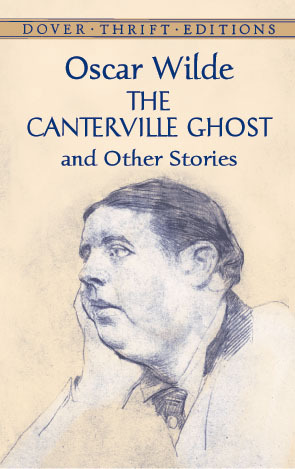
The Canterville Ghost and Other Stories PDF - Oscar Wilde
Oscar Wilde • Classical physics • 184 Pages
(0)
Quate
Review
Save
Share
Book Description
The Canterville Ghost and Other Stories is one of the most charming and widely read collections in English literature, showcasing the wit, irony, and imaginative brilliance of Oscar Wilde. Blending humor, satire, and emotional depth, this collection brings together stories that move effortlessly between the supernatural and the deeply human. Among them, The Canterville Ghost stands out as a timeless tale that redefines the traditional ghost story by replacing fear with comedy, empathy, and reflection.
A Clever Reinvention of the Ghost Story Tradition
At the heart of The Canterville Ghost lies a playful subversion of classic Gothic fiction. Instead of presenting a terrifying haunting, Wilde introduces a centuries-old ghost trapped in a decaying English mansion, struggling to frighten a modern American family who refuses to believe in superstition. This clash of cultures becomes the foundation of the story’s humor and satire, allowing Wilde to gently mock both British aristocratic traditions and American practicality.
Rather than focusing on horror, the narrative explores themes of misunderstanding, change, and redemption. The ghost himself becomes a sympathetic figure—tired, frustrated, and ultimately transformed by kindness and acceptance. This emotional depth is what elevates the story beyond simple comedy, making it a meaningful reflection on forgiveness and personal transformation.
The Signature Wit and Satire of Oscar Wilde
Oscar Wilde is celebrated for his sharp wit, elegant prose, and ability to expose social hypocrisy through humor. In this collection, his distinctive voice is present in every line. The dialogue sparkles with irony, while the narrative subtly critiques societal norms such as class distinction, cultural arrogance, and the rigid expectations of Victorian England.
Rather than presenting moral lessons in a direct or heavy-handed way, Wilde uses humor and paradox to encourage readers to think critically. His writing often blurs the line between seriousness and comedy, allowing readers to enjoy the stories on the surface while discovering deeper meaning beneath.
Key Themes Across the Collection
One of the most compelling aspects of The Canterville Ghost and Other Stories is the thematic richness woven throughout the narratives. Several recurring ideas make this collection particularly engaging for readers who appreciate literary depth.
1. The Conflict Between Old and New Worlds
A central theme in The Canterville Ghost is the contrast between tradition and modernity. The British aristocratic setting, filled with history and superstition, collides with the practical, rational mindset of the American characters. This contrast creates both humor and insight, highlighting how different cultures interpret the same reality in entirely different ways.
2. Redemption and Transformation
Unlike traditional ghost stories where spirits remain cursed or vengeful, Wilde’s ghost is given the chance to change. Through compassion and understanding, he finds peace. This idea of emotional redemption adds a surprising layer of warmth to what initially appears to be a comedic tale.
3. Satire of Social Class and Pretension
Wilde frequently critiques the rigidity of social structures. The decaying English manor symbolizes outdated aristocratic pride, while the American family represents a new, pragmatic worldview. Neither is portrayed as entirely superior, which reflects Wilde’s nuanced understanding of human nature.
4. Humor as a Tool for Truth
Wilde uses humor not just for entertainment, but as a way to reveal deeper truths about human behavior. The absurdity of a ghost trying and failing to frighten his victims becomes a metaphor for the limitations of fear, tradition, and expectation.
Literary Style and Narrative Charm
The writing style in this collection is one of its greatest strengths. Oscar Wilde’s prose is elegant yet accessible, filled with memorable lines, clever observations, and rhythmic storytelling. Even in translation or simplified reading formats, the charm of his language remains evident.
Wilde’s use of dialogue is particularly effective. Characters often engage in witty exchanges that reveal personality, social commentary, and emotional undertones all at once. The pacing of the stories is carefully balanced, allowing moments of humor to coexist with quieter, more reflective passages.
In The Canterville Ghost, Wilde also experiments with tone in a unique way. He shifts between comedic exaggeration and sincere emotional storytelling, creating a layered reading experience that appeals to both casual readers and literary enthusiasts.
Why Readers Continue to Love This Collection
The enduring popularity of The Canterville Ghost and Other Stories lies in its ability to appeal to a wide range of readers. It is accessible enough for younger audiences discovering classic literature for the first time, yet sophisticated enough to satisfy those who appreciate literary analysis and historical context.
Many readers are drawn to the collection because it offers something different from traditional ghost stories. Instead of fear, it offers laughter. Instead of tragedy, it offers redemption. And instead of moral rigidity, it offers playful questioning of social norms.
The emotional accessibility of the ghost character also plays a major role in its appeal. He is not a distant supernatural force, but a relatable figure experiencing frustration, loneliness, and eventually acceptance. This humanization of the supernatural makes the story memorable and emotionally engaging.
Cultural and Historical Significance
Oscar Wilde wrote during the late Victorian era, a time when literature often reflected strict moral values and social hierarchies. His work, however, consistently challenged these conventions. The Canterville Ghost is a perfect example of this rebellious creativity, as it blends humor with critique and fantasy with realism.
The story also reflects the growing cultural interaction between Europe and America during the period. The humorous portrayal of cultural misunderstandings adds historical interest, making the story not only entertaining but also insightful from a sociocultural perspective.
Ideal Audience for This Book
This collection is suitable for a wide variety of readers. Students studying English literature will find it especially valuable for understanding satire, irony, and narrative structure. Readers who enjoy classic fiction, humorous storytelling, or supernatural themes will also find it highly enjoyable.
It is also a great introduction to Oscar Wilde’s work for those who are new to his writing. The accessible style and engaging storytelling make it an ideal starting point before exploring his more complex plays and essays.
A Timeless Blend of Humor, Heart, and Imagination
What makes The Canterville Ghost and Other Stories truly timeless is its balance of entertainment and meaning. Oscar Wilde transforms what could have been a simple ghost tale into a story about understanding, compassion, and the absurdities of human behavior.
The collection continues to resonate with modern readers because its themes remain relevant: cultural differences, the limits of fear, and the possibility of change through empathy. At the same time, its humor ensures that it remains light, enjoyable, and endlessly re-readable.
For anyone seeking a classic literary experience that combines wit, charm, and emotional depth, this collection remains an essential read in English literature.
Oscar Wilde
Oscar Wilde (1854-1900) was an Irish playwright, poet, and novelist who is widely regarded as one of the greatest writers of the Victorian era. He was born in Dublin, Ireland, and educated at Trinity College, Dublin, and Magdalen College, Oxford. Wilde was a flamboyant figure in Victorian society, known for his wit, dandyism, and homosexuality, which was then considered a crime.
Wilde's literary career began in the 1880s, when he gained popularity with his comedic plays, including "Lady Windermere's Fan," "A Woman of No Importance," and "The Importance of Being Earnest." These plays were known for their clever wordplay, social commentary, and satirical portrayal of Victorian society.
In addition to his plays, Wilde also wrote novels, including "The Picture of Dorian Gray," which tells the story of a beautiful young man who makes a Faustian pact to remain young and beautiful while his portrait ages and becomes ugly. The novel caused controversy when it was first published in 1890 because of its decadent themes and homoerotic undertones.
Despite his literary success, Wilde's personal life was tumultuous. In 1895, he was convicted of homosexual acts and sentenced to two years of hard labor. The trial and subsequent imprisonment destroyed his reputation and health, and he died in Paris in 1900, at the age of 46.
Wilde's legacy lives on through his works, which continue to be celebrated for their wit, humor, and social commentary. His writing has influenced generations of writers, and his plays continue to be performed and adapted for film and television. Today, Wilde is remembered not only as a great writer, but also as a symbol of resistance against Victorian moralism and hypocrisy.
Earn Rewards While Reading!
Every 10 pages you read and spent 30 seconds on every page, earns you 5 reward points! Keep reading to unlock achievements and exclusive benefits.
Read
Rate Now
5 Stars
4 Stars
3 Stars
2 Stars
1 Stars
The Canterville Ghost and Other Stories Quotes
Top Rated
Latest
Quate
Be the first to leave a quote and earn 10 points
instead of 3
Other books by Oscar Wilde
Other books like The Canterville Ghost and Other Stories
'%20/%3e%3c/svg%3e "Student Solutions Manual and Study Guide for SERWAY")
4317
English
2277
English
2280
English
Comments
Be the first to leave a comment and earn 5 points
instead of 3