

The source of the book
This book is published for the public benefit under a Creative Commons license, or with the permission of the author or publisher. If you have any objections to its publication, please contact us.
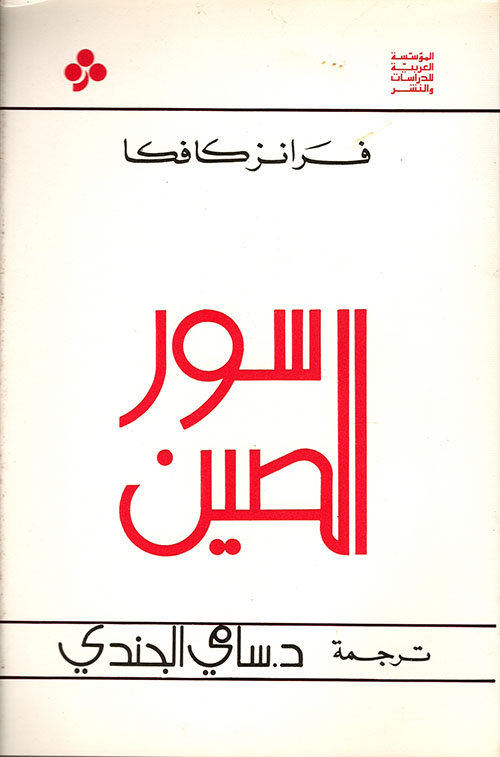
سور الصين PDF - Franz Kafka
Franz Kafka • literature • 2 Pages
(0)
Quate
Review
Save
Share
Book Description
«سور الصين» لفرانز كافكا ليس رواية طويلة بالمعنى التقليدي، بل نص سردي قصير وغير مكتمل يُعرف في الأصل الألماني باسم «Beim Bau der Chinesischen Mauer»، أي «أثناء بناء سور الصين». ألّفه الكاتب التشيكي الناطق بالألمانية فرانز كافكا في مارس 1917، ونُشر بعد وفاته ضمن كتاب «Beim Bau der Chinesischen Mauer: Ungedruckte Erzählungen und Prosa aus dem Nachlaß» عام 1931 في برلين عن دار Gustav Kiepenheuer Verlag، بتحرير ماكس برود وهانس يواخيم شوبس.
يدور نص «سور الصين» حول راوٍ مجهول يحاول تفسير الطريقة الغريبة التي بُني بها سور الصين العظيم. فبدلًا من أن يُشيَّد السور خطًّا متصلًا من نقطة إلى أخرى، يصف الراوي مشروعًا ضخمًا قائمًا على بناء مقاطع متفرقة، تعمل عليها فرق صغيرة في أماكن بعيدة، ثم تُترك بينها فجوات واسعة. هذه الطريقة تبدو غير منطقية من الناحية العملية، لأن السور يفترض أن يحمي البلاد من الغزاة، لكن كافكا يستخدم هذا التناقض ليطرح أسئلة أعمق عن السلطة، والطاعة، والبيروقراطية، والإيمان بالمشروعات الكبرى التي لا يفهم الأفراد معناها الكامل.
يقدّم فرانز كافكا في «سور الصين» عالمًا مألوفًا وغريبًا في الوقت نفسه. الراوي لا يتمرد صراحة على النظام، بل يحاول فهمه من الداخل. إنه يشرح كيف كان العمال يعودون إلى قراهم بعد إنجاز جزء صغير من السور، فيُستقبلون باحترام، ثم يُرسلون إلى منطقة أخرى لمواصلة العمل. هكذا يصبح البناء نفسه نوعًا من التربية النفسية والجماعية؛ فالغاية ليست الجدار وحده، بل خلق شعور دائم بالانتماء إلى إمبراطورية ضخمة وغامضة.
مع تقدم النص، ينتقل الاهتمام من السور إلى الإمبراطور. يظهر الحاكم في صورة بعيدة تكاد تكون أسطورية، لا يعرفه الناس معرفة مباشرة، بل تصلهم أوامره وأخباره متأخرة ومشوَّشة. يلمّح كافكا إلى شعب يعيش تحت ظل سلطة هائلة، لكنه لا يستطيع التحقق من حقيقتها أو فهم مركزها. الإمبراطور موجود في الخيال السياسي أكثر مما هو موجود في الحياة اليومية، وهذا يجعل الطاعة قائمة على التصور والرمز لا على المعرفة.
ملخص «سور الصين» يكشف أن النص لا يعتمد على حبكة تقليدية فيها بداية وذروة ونهاية، بل على تأمل سردي يشبه التقرير أو المقال الفلسفي. لا توجد شخصية بطل تخوض مغامرة واضحة، وإنما عقل يحاول ترتيب عالم مضطرب. هذا الأسلوب هو ما يجعل العمل كافكاويًا بامتياز: مشروع عظيم، أوامر غير مفهومة، أفراد صغار داخل نظام هائل، وشعور مستمر بأن المعنى موجود في مكان ما لكنه لا يُمنح كاملًا للقارئ أو للشخصيات.
أهمية «سور الصين» لفرانز كافكا تأتي من قدرته على تحويل واقعة تاريخية معروفة، وهي بناء سور الصين، إلى رمز للأنظمة المغلقة والمشروعات التي تبتلع حياة البشر باسم هدف سامٍ. النص لا يسخر من العمال ولا من الشعب، بل يكشف هشاشة الإنسان حين يجد نفسه داخل بنية أكبر منه. لذلك يمكن قراءة «سور الصين» بوصفه قصة عن الدولة، أو عن البيروقراطية، أو عن الدين السياسي، أو عن حاجة الإنسان إلى تفسير ما لا يمكن تفسيره.
بأسلوب هادئ ومقلق، يترك كافكا القارئ أمام سؤال أساسي: هل يبني الناس السور لحماية أنفسهم، أم لأنهم يحتاجون إلى الإيمان بأن هناك خطة كبرى تحميهم؟ بهذا المعنى، يظل كتاب «سور الصين» من الأعمال القصيرة المهمة في أدب فرانز كافكا، لأنه يجمع بين البساطة الظاهرة والعمق الرمزي، ويقدّم للقارئ نصًا مفتوحًا عن السلطة والمعنى والخوف الجماعي.
Franz Kafka
Franz Kafka (July 3, 1883 - June 3, 1924) was a Czech-Jewish writer who wrote in German, a pioneer of nightmare writing. He is considered one of the best German writers in the art of novel and short story. Kafka studied chemistry, law and literature at the German University in Prague (1901). He was born into a liberal Jewish family, and during his life he became close to Judaism. Learn Hebrew with a private teacher. Worked as an employee in the accident insurance company. He spent his spare time writing literature in which he saw the purpose and essence of his life. Few of his writings were published during his lifetime, most of which—including his unfinished great novels The Judgment and The Absent—were published after his death, by his close friend Max Brod, who did not respond to Kafka's request to exterminate all his writings. His life was filled with sadness and suffering, including his relationship with his father. Kafka was a sensitive intellectual who fell under the rule of a tyrannical and powerful father, about whom, he said, all his productions were written. He wrote his long letter under the title (A Letter to a Father). This is especially evident in his book (The Judgment), where the young man accepts the death sentence imposed on him by his father and drowns. Kafka was a vegetarian and loathed eating meat, and there are those who associate this with the profession of his grandfather, who was a butcher. Kafka was known as a difficult person to get things done, which is what distinguished his writing as he found it difficult to finish his productions. It is also worth noting that Kafka's writings were later burned by Hitler, and Kafka's writings were exposed to two contradictory positions on the communist countries in the last century, which began with ban and confiscation and ended with welcome and support. Kafka died on June 3, 1924, in a sanatorium, at the age of forty years and eleven months. His friend and physician, who took care of him in his last days, wrote: "His face was stern and stern, lofty, as was his mind pure and stern. The face of a king of the most noble and noble lineage."
Earn Rewards While Reading!
Every 10 pages you read and spent 30 seconds on every page, earns you 5 reward points! Keep reading to unlock achievements and exclusive benefits.
Read
Rate Now
5 Stars
4 Stars
3 Stars
2 Stars
1 Stars
سور الصين Quotes
Top Rated
Latest
Quate
Be the first to leave a quote and earn 10 points
instead of 3
'%20/%3e%3c/svg%3e "المحاكمة")
Comments
Be the first to leave a comment and earn 5 points
instead of 3