

The source of the book
This book is published for the public benefit under a Creative Commons license, or with the permission of the author or publisher. If you have any objections to its publication, please contact us.
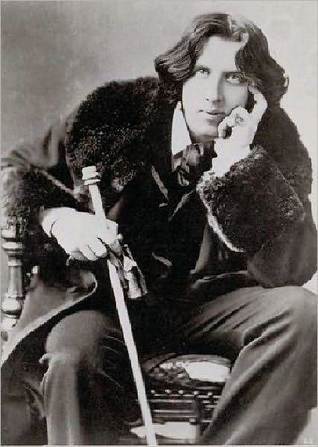
Selected Poems by Oscar Wilde PDF - Oscar Wilde
Oscar Wilde • romantic novels • 66 Pages
(0)
Quate
Review
Save
Share
Book Description
Selected Poems offers readers an intimate and richly textured introduction to the poetic world of Oscar Wilde, one of the most celebrated literary voices of the Victorian era. While Wilde is often remembered for masterpieces such as The Picture of Dorian Gray and The Importance of Being Earnest, his poetry reveals another dimension of his artistry—lyrical, emotional, philosophical, and deeply atmospheric. This carefully curated collection gathers some of Wilde’s most admired poems, allowing readers to experience the evolution of his style, imagination, and literary vision across different periods of his life.
Blending aesthetic beauty with emotional depth, Wilde’s poems explore themes of love, mortality, longing, beauty, art, spiritual conflict, and social suffering. From ornate classical imagery to deeply personal reflections, the poems demonstrate why Wilde remains one of the defining literary figures of the nineteenth century. Many editions of Selected Poems also include celebrated works such as “The Ballad of Reading Gaol,” “The Harlot’s House,” “The Sphinx,” and selections from his early lyrical poetry.
A Collection of Beauty, Melancholy, and Literary Elegance
Oscar Wilde’s poetry is known for its musical language, vivid imagery, and emotional sophistication. Influenced by classical mythology, Romantic poetry, French symbolism, and the aesthetic movement, his verse combines intellectual refinement with emotional intensity. Readers encounter poems filled with moonlit streets, fading gardens, tragic lovers, mythological figures, and meditations on human suffering and desire.
One of the most powerful aspects of Selected Poems is the contrast between Wilde’s earlier decorative style and the darker emotional tone of his later works. His youthful poems often celebrate beauty, sensuality, and artistic imagination, while later poems reveal deeper reflections on loneliness, injustice, regret, and compassion. This progression gives the collection emotional range and literary depth that appeals to both casual readers and serious students of poetry.
The collection frequently highlights Wilde’s fascination with aestheticism—the belief that art and beauty possess intrinsic value. Yet beneath the elegance of the language lies a persistent awareness of fragility, loss, and the complexities of human emotion. Wilde’s poetic voice is both theatrical and intimate, combining wit and vulnerability in a way that remains distinctive even today.
The Power of “The Ballad of Reading Gaol”
For many readers, the emotional centerpiece of Selected Poems is “The Ballad of Reading Gaol,” written after Wilde’s imprisonment. Widely regarded as one of his greatest poetic achievements, the poem reflects on punishment, guilt, compassion, and the brutality of institutional suffering. Its unforgettable lines and rhythmic intensity have made it one of the most quoted poems in English literature.
Unlike the ornate aestheticism of some of his earlier works, this poem carries a stark emotional honesty shaped by Wilde’s personal experiences. The contrast between beauty and despair gives the collection extraordinary emotional resonance, revealing how Wilde transformed suffering into art. Readers interested in prison literature, Victorian poetry, literary tragedy, or socially conscious poetry often find this work especially compelling.
Themes and Literary Style
Throughout Selected Poems, Wilde demonstrates remarkable versatility in poetic form and subject matter. His poems move between sonnets, ballads, lyrical meditations, narrative poetry, and symbolic verse. Themes that appear repeatedly include:
- The relationship between beauty and decay
- The tension between pleasure and morality
- Romantic longing and emotional isolation
- Classical mythology and ancient symbolism
- Art, imagination, and aesthetic philosophy
- Death, suffering, and redemption
- Society, judgment, and spiritual reflection
Wilde’s poetic style is often richly descriptive and highly visual. He writes with painterly attention to color, atmosphere, and detail, creating scenes that feel almost cinematic. At the same time, his poetry contains moments of simplicity and direct emotional truth that continue to resonate with modern readers.
Poems such as “The Sphinx” and “Charmides” reveal Wilde’s fascination with decadence, mythology, and symbolic storytelling, while shorter lyrical works demonstrate his mastery of rhythm and emotional subtlety.
Why Readers Continue to Discover Oscar Wilde’s Poetry
Although Wilde’s plays and prose are more widely known, many readers discover through this collection that his poetry possesses a unique emotional and artistic power. Contemporary readers often appreciate how his poems combine intellectual sophistication with genuine feeling. Fans of classic poetry, Gothic literature, queer literary history, Victorian literature, and philosophical poetry frequently return to Wilde’s verse for its atmosphere and insight.
Readers interested in authors such as John Keats, Algernon Charles Swinburne, William Butler Yeats, or Charles Baudelaire may find Wilde’s poetry especially rewarding because of its lyrical richness and symbolic imagination.
The collection also serves as an excellent introduction for readers exploring Victorian poetry for the first time. Wilde’s accessible musicality and memorable imagery make the poems engaging even for those who do not regularly read poetry. At the same time, literary scholars and students continue to study his work for its aesthetic philosophy, cultural commentary, and historical significance.
A Lasting Contribution to English Poetry
Selected Poems stands as a testament to Oscar Wilde’s extraordinary literary range and artistic sensitivity. Beyond the wit and theatrical brilliance for which he is famous, these poems reveal a writer deeply concerned with beauty, sorrow, human weakness, and the search for meaning through art. The collection captures both the glamour and the tragedy associated with Wilde’s life and legacy, offering readers poetry that is elegant, haunting, reflective, and emotionally enduring.
Whether approached as a classic poetry collection, a study of Victorian literature, or an exploration of Wilde’s artistic evolution, Selected Poems remains a rewarding and unforgettable reading experience. Its combination of lyrical beauty, emotional honesty, and literary craftsmanship continues to attract readers across
Oscar Wilde
Oscar Wilde (1854-1900) was an Irish playwright, poet, and novelist who is widely regarded as one of the greatest writers of the Victorian era. He was born in Dublin, Ireland, and educated at Trinity College, Dublin, and Magdalen College, Oxford. Wilde was a flamboyant figure in Victorian society, known for his wit, dandyism, and homosexuality, which was then considered a crime.
Wilde's literary career began in the 1880s, when he gained popularity with his comedic plays, including "Lady Windermere's Fan," "A Woman of No Importance," and "The Importance of Being Earnest." These plays were known for their clever wordplay, social commentary, and satirical portrayal of Victorian society.
In addition to his plays, Wilde also wrote novels, including "The Picture of Dorian Gray," which tells the story of a beautiful young man who makes a Faustian pact to remain young and beautiful while his portrait ages and becomes ugly. The novel caused controversy when it was first published in 1890 because of its decadent themes and homoerotic undertones.
Despite his literary success, Wilde's personal life was tumultuous. In 1895, he was convicted of homosexual acts and sentenced to two years of hard labor. The trial and subsequent imprisonment destroyed his reputation and health, and he died in Paris in 1900, at the age of 46.
Wilde's legacy lives on through his works, which continue to be celebrated for their wit, humor, and social commentary. His writing has influenced generations of writers, and his plays continue to be performed and adapted for film and television. Today, Wilde is remembered not only as a great writer, but also as a symbol of resistance against Victorian moralism and hypocrisy.
Earn Rewards While Reading!
Every 10 pages you read and spent 30 seconds on every page, earns you 5 reward points! Keep reading to unlock achievements and exclusive benefits.
Read
Rate Now
5 Stars
4 Stars
3 Stars
2 Stars
1 Stars
Selected Poems by Oscar Wilde Quotes
Top Rated
Latest
Quate
Be the first to leave a quote and earn 10 points
instead of 3
'%20/%3e%3c/svg%3e "A Florentine Tragedy")
Comments
Be the first to leave a comment and earn 5 points
instead of 3