

The source of the book
This book is published for the public benefit under a Creative Commons license, or with the permission of the author or publisher. If you have any objections to its publication, please contact us.
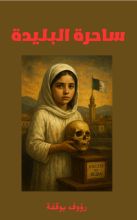
ساحرة البليدة PDF - Raouf Boukafah
Raouf Boukafah • Drama novels • 18 Pages
(0)
Quate
Review
Save
Share
Book Description
«ساحرة البليدة» كتاب قصصي قصير باللغة العربية من تأليف رؤوف بوقفة، صدر بصيغة PDF عام 2025، ويصنَّف ضمن القصص والقصة القصيرة. تذكر صفحة كتوباتي أن العمل يقع في 17 صفحة، بينما تعرض مكتبة نور 18 صفحة، ويبدو أن الناشر هو المؤلف نفسه بحسب بيانات مكتبة نور.
تدور قصة «ساحرة البليدة» في أجواء تاريخية مشحونة، داخل مدينة البليدة الجزائرية، المعروفة بمدينة الزهور. لا يستخدم رؤوف بوقفة عنوانه للإيحاء بحكاية خرافية عن السحر، بل ليقدّم قصة رمزية عن فتاة صغيرة تتحول في نظر الظالمين إلى قوة مخيفة لأنها ترفض الانكسار. بطلة القصة هي فطيمة، فتاة لم تتجاوز الثالثة عشرة، لكنها تجد نفسها في قلب مأساة وطنية وعائلية حين يصطدم والدها بسلطة القايد قدور، الشخصية التي تمثل الخيانة المحلية والتواطؤ مع المستعمر.
تنطلق الحكاية من رفض الأب التنازل عن كرامته أو بيع شرفه، فيتحول هذا الموقف إلى شرارة دموية تغيّر مصير الأسرة كلها. وبحسب النبذة المتاحة عن الكتاب، تتعرض عائلة فطيمة للعنف على يد الاحتلال الفرنسي؛ يُقتل الأب والأم والإخوة، وتُنتزع الفتاة من بيتها قسرًا لتُساق إلى فضاء الطغيان، حيث يُراد لها أن تكون ضحية جديدة في سلسلة القهر. هنا ينتقل العمل من مأساة عائلية إلى حكاية مقاومة، إذ لا تظهر فطيمة بوصفها طفلة مكسورة فقط، بل بوصفها رمزًا للبراءة حين تتحول إلى وعي ورفض.
يقدّم رؤوف بوقفة في «ساحرة البليدة» صورة مكثفة للظلم الاستعماري، لكنه لا يكتفي بوصف العنف الخارجي، بل يربطه أيضًا بالخيانة الداخلية ممثلة في القايد قدور. لذلك تبدو القصة أقرب إلى لوحة وجدانية عن الكرامة الجزائرية، حيث تتداخل الذاكرة الشعبية مع الحس الوطني. ففطيمة ليست ساحرة بالمعنى الحرفي، وإنما “ساحرة” لأنها تربك جلاديها بثباتها، وتكشف أن القوة لا تقاس بالعمر أو السلاح، بل بالموقف الأخلاقي.
ملخص «ساحرة البليدة» يقوم على رحلة قصيرة ومؤلمة تبدأ ببيت آمن في مدينة البليدة، ثم تمر عبر الخيانة والقتل والاختطاف، وتنتهي باختيار فطيمة طريق المقاومة بدل الخضوع. ومن خلال هذا المسار، تتحول الطفلة إلى شاهد على بربرية المستعمر، وإلى رمز لصوت لا يموت رغم مرور الزمن. القصة مناسبة للقراء المهتمين بالأدب الجزائري القصير، والقصص التاريخية ذات الطابع الوطني، والأعمال التي تعالج موضوعات الكرامة، الاحتلال، المقاومة، والذاكرة الجماعية بلغة مباشرة ومشحونة بالعاطفة.
Raouf Boukafah
Dr. Raouf Boukafah is an Algerian author, thinker, and academic whose writing brings together professional experience, institutional analysis, ethical reflection, and a strong concern for social improvement. His name is closely associated with books and ideas that address health administration, organizational quality, human resources, risk management, performance improvement, and the wider culture of values needed for effective public service. What gives his work particular significance is the way he writes from within lived administrative experience rather than from a purely theoretical distance. His reflections on health institutions, hospitals, and public service structures are shaped by direct familiarity with the daily challenges faced by managers, employees, patients, and communities. This background allows him to approach management as a human responsibility, not merely as a technical process or a collection of procedures.
In his writings on total quality management in health institutions, Dr. Raouf Boukafah emphasizes the relationship between administrative efficiency and the quality of care provided to citizens. He examines problems such as overcrowding, administrative obstacles, professional shortcomings, weak planning, limited awareness of quality standards, and resistance to change. His treatment of these issues is constructive: he does not present institutional problems as fixed realities, but as conditions that can be improved through training, planning, measurement, accountability, and a deeper culture of service. This makes his work relevant for readers interested in public health administration, hospital management, institutional reform, and the modernization of services in Arab societies.
Beyond the field of health administration, Boukafah’s writing also touches on personal development, social values, motivation, and the intellectual foundations of progress. He often links the success of institutions to the development of the individual, arguing through his themes that no organization can become strong when its human element is neglected. For him, quality begins with awareness, discipline, responsibility, and the will to improve. This gives his books a dual character: they are practical enough to help readers understand management problems, yet reflective enough to invite deeper thinking about ethics, social behavior, ambition, and collective advancement. His style is accessible, direct, and purposeful, making his work suitable for students, professionals, administrators, and general readers seeking a clearer understanding of how personal values and institutional systems interact.
Dr. Raouf Boukafah’s importance also lies in his ability to connect Algerian experience with broader Arab concerns. The issues he discusses are not limited to one country or one institution; they reflect common challenges across societies seeking better governance, stronger public services, more effective leadership, and more meaningful human development. His books on health management and organizational performance can be read as part of a larger reformist vision, while his works on values and success speak to readers searching for motivation rooted in responsibility rather than empty slogans. He represents the type of author who transforms professional practice into written knowledge and turns daily institutional challenges into opportunities for analysis, education, and improvement.
As an author biography for a book website, Dr. Raouf Boukafah can be presented as a serious contemporary Algerian voice whose work appeals to readers interested in administration, health systems, leadership, self-development, and social reform. His writing combines the language of management with the language of values, giving his books a practical and ethical dimension at the same time. Through his focus on quality, performance, human potential, and institutional responsibility, Boukafah contributes to a body of Arabic writing that seeks not only to describe reality, but to improve it. His work invites readers to think of success as a disciplined process, of institutions as living human systems, and of knowledge as a tool for building more efficient, more humane, and more responsible communities.
Earn Rewards While Reading!
Every 10 pages you read and spent 30 seconds on every page, earns you 5 reward points! Keep reading to unlock achievements and exclusive benefits.
Read
Rate Now
5 Stars
4 Stars
3 Stars
2 Stars
1 Stars
ساحرة البليدة Quotes
Top Rated
Latest
Quate
Be the first to leave a quote and earn 10 points
instead of 3
'%20/%3e%3c/svg%3e "القابلية للخسران")
Comments
Be the first to leave a comment and earn 5 points
instead of 3