

The source of the book
This book is published for the public benefit under a Creative Commons license, or with the permission of the author or publisher. If you have any objections to its publication, please contact us.
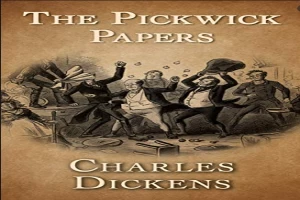
Pickwick Papers PDF - Charles Dickens
Charles Dickens • Literary novels • 1,366 Pages
(0)
Author
Charles DickensCategory
literatureSection
Number Of Downloads
75
Number Of Reads
246
File Size
14.38 MB
Views
1,755
Quate
Review
Save
Share
Book Description
Pickwick Papers by Charles Dickens is a lively, humorous, and richly observed classic novel that introduced readers to one of the most beloved voices in English literature. First published in the nineteenth century, the book follows the adventures of Mr. Samuel Pickwick, the kindly and curious founder of the Pickwick Club, as he travels through England with his companions in search of experience, knowledge, and amusement. What begins as a comic journey soon becomes a wide-ranging portrait of society, full of memorable characters, absurd situations, social satire, and the warm humanity that would become a defining feature of Charles Dickens.
The novel’s full title, The Posthumous Papers of the Pickwick Club, reflects its playful structure. Rather than following a tightly plotted single storyline from the beginning, the book unfolds as a series of episodes, encounters, misunderstandings, journeys, trials, friendships, and comic set pieces. This episodic style gives Pickwick Papers its distinctive charm. Readers are invited into coaching inns, country houses, streets, courtrooms, taverns, prisons, and festive gatherings, each scene filled with Dickens’s sharp eye for personality, speech, and social detail. The result is a book that feels spacious, animated, and full of life.
A Humorous Journey Through Dickens’s England
At the center of Pickwick Papers is Mr. Pickwick himself, a generous, innocent, and good-hearted gentleman whose enthusiasm for observation often leads him into comic trouble. As he travels with fellow members of the Pickwick Club, including Nathaniel Winkle, Augustus Snodgrass, and Tracy Tupman, he encounters a world that is both ridiculous and deeply human. Their adventures are often shaped by mistaken identities, exaggerated manners, romantic confusion, legal complications, and the unpredictable behavior of strangers they meet along the way.
One of the great pleasures of the novel is its gallery of unforgettable Dickensian characters. Among them, Sam Weller stands out as one of Dickens’s most famous comic creations. Sam’s wit, loyalty, street wisdom, and distinctive way of speaking bring new energy to the story and create a memorable contrast with Mr. Pickwick’s innocence. Through Sam Weller and many other figures, Dickens shows his gift for creating characters who feel larger than life while still reflecting recognizable human habits, weaknesses, and virtues.
Although Pickwick Papers is often celebrated as a comic novel, its humor is not shallow. Dickens uses comedy to reveal the absurdities of everyday life, the vanity of certain social customs, the flaws of legal institutions, and the gap between appearance and reality. The laughter in the book is generous, but it also carries insight. Readers who enjoy classic English novels, Victorian literature, and comic fiction will find in this book an early example of Dickens’s ability to entertain while quietly exposing the contradictions of society.
Themes of Friendship, Innocence, Society, and Justice
One of the most important themes in Pickwick Papers is friendship. Mr. Pickwick’s journey is not only a sequence of comic adventures; it is also a story about loyalty, companionship, trust, and moral growth. The bond between Mr. Pickwick and Sam Weller gives the novel much of its emotional warmth. Their relationship combines humor with affection, showing how people from different social backgrounds can form a deep and meaningful connection through honesty, kindness, and shared experience.
The book also explores innocence in a complicated world. Mr. Pickwick is often naïve, but his innocence is not presented as foolishness alone. His open-hearted nature allows Dickens to contrast genuine goodness with hypocrisy, greed, manipulation, and social performance. Through Pickwick’s encounters, the novel asks readers to consider whether kindness can survive in a world full of schemes, vanity, and injustice. This moral warmth is one reason Pickwick Papers continues to appeal to readers who value character-driven storytelling and humane social observation.
Another major element of the novel is its satire of law and institutions. Dickens would later become famous for his criticism of legal systems, bureaucracy, poverty, and social inequality, and Pickwick Papers already shows this concern. The famous legal episode involving Mr. Pickwick reveals the absurdity, expense, and cruelty that can hide behind formal procedures. Dickens does not turn the novel into a dark political argument, but he allows comedy to expose real injustice. This balance between humor and criticism gives the book lasting depth.
The Reading Experience: Lively, Episodic, and Full of Character
Readers coming to Pickwick Papers should expect a novel with a different rhythm from many modern books. Its episodic structure reflects its original form as a serial publication, and this gives the story a relaxed, expansive, and often surprising movement. The novel is less about racing toward a single dramatic conclusion and more about enjoying the journey, the conversations, the comic incidents, and the changing social scenes. For readers who appreciate atmosphere, character sketches, and humorous storytelling, this structure is one of the book’s greatest strengths.
The language of Charles Dickens is energetic, expressive, and full of comic timing. His descriptions can be vivid and theatrical, his dialogue is rich with personality, and his scenes often build toward moments of farce or emotional revelation. The book captures the noise, movement, and variety of English life with remarkable confidence. From bustling inns to quiet roads, from festive gatherings to uncomfortable courtrooms, Dickens creates a world that feels crowded, colorful, and constantly in motion.
Because this is an early Dickens novel, it also offers a fascinating view of the author’s developing genius. Many of the qualities readers associate with later works such as Oliver Twist, David Copperfield, Bleak House, and Great Expectations are already present here in a lighter and more comic form. The memorable names, social observation, dramatic contrasts, comic servants, flawed institutions, sentimental warmth, and sympathy for ordinary people all appear in Pickwick Papers, making it an essential book for anyone interested in the growth of Dickens as a novelist.
Why Pickwick Papers Remains an Important Classic
Pickwick Papers remains important not only because it was a major early success for Charles Dickens, but also because it helped define the public image of Dickens as a writer of humor, humanity, and unforgettable characters. The novel’s popularity came from its ability to make readers laugh while also making them care. Its comic episodes are full of exaggeration and theatricality, yet beneath the laughter lies a sincere belief in generosity, loyalty, and moral decency.
For students and readers of English literature, the novel is valuable because it shows the connection between eighteenth-century comic traditions, picaresque storytelling, and the emerging Victorian novel. It has the freedom of a road narrative, the energy of social comedy, and the moral sensitivity that would later become central to Victorian fiction. Readers studying Victorian novels, nineteenth-century literature, or Charles Dickens books will find Pickwick Papers especially useful as a starting point for understanding Dickens’s style, themes, and literary development.
The novel is also enjoyable for general readers who want a classic that is warm, funny, and full of personality. While some classic novels are admired mainly for their seriousness, Pickwick Papers is loved for its comic abundance. It invites readers to slow down, enjoy the language, appreciate the characters, and enter a world where absurdity and kindness often exist side by side. Its humor may be rooted in a specific historical period, but its interest in human vanity, friendship, misunderstanding, and resilience remains familiar.
Who Should Read Pickwick Papers?
Pickwick Papers by Charles Dickens is an excellent choice for readers who enjoy classic literature, comic novels, English social satire, and character-rich storytelling. It is especially rewarding for those who appreciate books that combine humor with insight, or for readers who want to explore Dickens beyond his darker and more famous works. The novel is also a strong choice for students, literature enthusiasts, and anyone interested in the early development of the Victorian novel.
Readers who enjoy episodic adventures, humorous dialogue, memorable side characters, and scenes filled with social detail will find much to enjoy here. The book does not depend on suspense or sensational plot twists; instead, its appeal lies in the pleasure of movement, conversation, comic misunderstanding, and gradual emotional attachment. Mr. Pickwick’s world is broad and varied, and the novel rewards readers who are willing to travel through it with patience and curiosity.
A Warm and Enduring Work by Charles Dickens
Pickwick Papers remains a joyful and significant work in the career of Charles Dickens. It captures the early brilliance of a writer who would become one of the most influential novelists in the English language, while offering a reading experience full of humor, warmth, satire, and unforgettable characterization. Through Mr. Pickwick, Sam Weller, and the many figures who cross their path, Dickens creates a comic world that is entertaining, humane, and deeply alive.
For readers searching for Pickwick Papers by Charles Dickens, a classic English comic novel, or an engaging introduction to Dickens’s fiction, this book offers a rich and rewarding experience. It is a novel of travel, friendship, laughter, social observation, and moral generosity, written with the energy and imagination that made Dickens a lasting literary figure. Whether read for study, personal enjoyment, or a deeper appreciation of Victorian literature, Pickwick Papers continues to stand as one of the great comic achievements of classic English fiction.
Charles Dickens
Earn Rewards While Reading!
Every 10 pages you read and spent 30 seconds on every page, earns you 5 reward points! Keep reading to unlock achievements and exclusive benefits.
Read
Rate Now
5 Stars
4 Stars
3 Stars
2 Stars
1 Stars
Pickwick Papers Quotes
Top Rated
Latest
Quate
Be the first to leave a quote and earn 10 points
instead of 3
'%20/%3e%3c/svg%3e "A tale of two cities")
Comments
Be the first to leave a comment and earn 5 points
instead of 3