

The source of the book
This book is published for the public benefit under a Creative Commons license, or with the permission of the author or publisher. If you have any objections to its publication, please contact us.
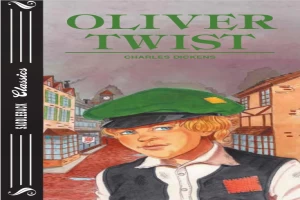
Oliver Twist PDF - Charles Dickens
Charles Dickens • Literary novels • 316 Pages
(0)
Author
Charles DickensCategory
literatureSection
Number Of Downloads
231
Number Of Reads
305
File Size
37.60 MB
Views
5,951
Quate
Review
Save
Share
Book Description
Oliver Twist by Charles Dickens is one of the most enduring works of classic English literature, a powerful Victorian novel that combines dramatic storytelling, social criticism, unforgettable characters, and a deeply human portrait of childhood under hardship. Centered on the life of Oliver, an orphan born into poverty and raised within the harsh world of the workhouse, the novel follows his search for safety, kindness, and belonging in a society that often treats the poor with suspicion instead of compassion. Through Oliver’s journey from institutional cruelty to the dangerous streets of London, Dickens creates a story that is both moving and sharply observant, making Oliver Twist a landmark novel for readers interested in classic fiction, Victorian literature, social novels, and coming-of-age stories.
At its heart, Oliver Twist is a story about innocence struggling to survive in a corrupt and unequal world. Oliver is not a heroic figure in the conventional sense; he is vulnerable, frightened, and often powerless against the adults who try to control his fate. Yet his moral clarity gives the novel its emotional force. Dickens presents Oliver as a child whose goodness persists despite neglect, hunger, exploitation, and danger. This contrast between innocence and cruelty is one of the reasons the book continues to resonate with readers across generations. It is not only a novel about poverty, but also a novel about dignity, compassion, and the need to recognize humanity in those whom society pushes aside.
A Classic Victorian Novel of Poverty, Crime, and Survival
Set against the vivid background of nineteenth-century England, Oliver Twist offers one of literature’s most memorable portrayals of the workhouse, the criminal underworld, and the crowded streets of London. Dickens uses Oliver’s experiences to expose the brutal realities faced by poor children, orphans, and vulnerable people in Victorian society. The workhouse is shown not as a place of protection, but as a system of punishment and humiliation, where poverty is treated as a moral failure rather than a social condition. This makes the novel an important example of Victorian social criticism, as Dickens transforms a gripping story into a wider reflection on injustice, charity, law, and public responsibility.
The London of Oliver Twist is full of danger and movement. It is a city of narrow streets, hidden rooms, thieves, beggars, and people living at the edge of survival. Yet Dickens does not present this world in simple terms. The criminal figures Oliver encounters are frightening, but they are also shaped by the same social failures the novel condemns. Characters such as Fagin, the Artful Dodger, Nancy, and Bill Sikes belong to a world of manipulation, fear, and moral compromise, but Dickens gives many of them a vivid dramatic presence that makes them difficult to forget. The result is a novel that works as both a suspenseful story and a layered portrait of social pressure, crime, and survival.
The Story of an Orphan Searching for Belonging
The central appeal of Oliver Twist lies in its emotional journey. Oliver begins life without family protection, status, or power, and his story becomes a search for a place where he can be treated with care rather than cruelty. His famous request for more food is more than a memorable scene; it captures the entire moral world of the novel. A hungry child asks for a basic human need, and the adults around him respond as if he has committed a terrible offense. In that moment, Dickens reveals the absurdity and violence of a society that punishes weakness instead of relieving it.
As Oliver moves through different environments, the novel explores the question of whether a child’s character is formed by birth, environment, or moral choice. Dickens repeatedly places Oliver in situations where others expect him to become corrupt, dishonest, or obedient to cruelty. Yet Oliver’s refusal to lose his sense of right and wrong gives the book its moral center. This makes Oliver Twist especially meaningful for readers who enjoy novels about childhood, identity, resilience, and the search for family. It is a story about what happens when innocence is tested by a world that has very little patience for innocence at all.
Charles Dickens’s Storytelling and Unforgettable Characters
One of the great strengths of Charles Dickens is his ability to create characters who feel larger than life while still expressing real human fears, desires, and weaknesses. Oliver Twist is filled with figures who remain vivid long after the story is finished. Oliver himself represents vulnerability and moral endurance, while the Artful Dodger brings energy, wit, and streetwise confidence to the novel’s London scenes. Fagin is one of Dickens’s most controversial and memorable creations, a figure associated with manipulation, criminal training, and the exploitation of children. Nancy, meanwhile, adds emotional depth and moral complexity, standing as one of the novel’s most affecting characters because of the conflict between loyalty, fear, compassion, and conscience.
Dickens’s style combines melodrama, satire, suspense, humor, and moral outrage. He can make a scene comic and disturbing at the same time, using exaggerated officials, cruel guardians, and hypocritical authorities to expose the absurdities of social institutions. His descriptions are rich and theatrical, turning rooms, streets, faces, and gestures into part of the story’s emotional atmosphere. For readers searching for a classic novel with memorable characters, Oliver Twist offers a reading experience that is dramatic, atmospheric, and deeply rooted in the social concerns of its time.
Themes of Innocence, Injustice, Morality, and Compassion
The major themes of Oliver Twist remain highly relevant. The novel examines poverty not as a background detail, but as a force that shapes lives, choices, and opportunities. It asks how society treats children who have no one to defend them, how institutions can become cruel when they lose compassion, and how easily the vulnerable can be exploited by those with power. Dickens also explores the relationship between crime and social neglect, suggesting that criminal behavior cannot be fully understood without looking at hunger, abandonment, and desperation.
Another important theme is the conflict between appearance and reality. Respectable people in the novel are not always kind, and criminal people are not always without conscience. Dickens repeatedly challenges the reader to look beyond labels such as “poor,” “criminal,” “orphan,” or “gentleman” and consider the moral truth beneath social status. This gives Oliver Twist a lasting ethical force. It is not simply a story about a good child escaping bad people; it is a broader examination of the society that creates danger for children like Oliver in the first place.
Compassion is the novel’s quiet but persistent answer to cruelty. Acts of kindness, protection, and moral courage matter deeply in the story because they stand against systems built on indifference. Dickens shows that goodness may be fragile, but it is not powerless. Even in a world filled with greed and violence, the novel insists that sympathy and responsibility can change the direction of a life.
Why Readers Continue to Choose Oliver Twist
Readers continue to choose Oliver Twist because it offers the richness of a classic novel with the pace and emotion of a dramatic narrative. It is accessible to readers discovering Charles Dickens for the first time, while also rewarding those who are interested in the history of the English novel, Victorian society, and literary realism. The book includes mystery, danger, emotional conflict, social criticism, and moments of dark humor, making it appealing to a wide range of readers. Students often read it for its importance in English literature, while general readers return to it for its atmosphere, characters, and moral intensity.
For anyone searching for an Oliver Twist summary, a Charles Dickens classic, a Victorian London novel, or a story about an orphan’s struggle against poverty and injustice, this book remains one of the essential works of nineteenth-century fiction. It helped define the image of Dickensian London and contributed to the lasting association of Dickens’s name with vivid characters, social conscience, and emotional storytelling. While the novel belongs to its historical period, its questions about childhood, inequality, crime, and human responsibility still feel recognizable today.
A Powerful Reading Experience in Classic English Literature
Oliver Twist by Charles Dickens is more than a famous title from the literary canon; it is a novel that continues to speak through its emotional honesty and its unforgettable vision of a society divided between comfort and desperation. Through the story of a child seeking kindness in a world shaped by cruelty, Dickens creates a work that is suspenseful, compassionate, and morally urgent. Its scenes of hardship, its portraits of London life, and its memorable cast of characters make it a defining example of classic Victorian fiction.
For readers who value novels with depth, atmosphere, and social meaning, Oliver Twist remains a powerful and rewarding book. It invites reflection on how people treat the vulnerable, how institutions can fail those they are meant to protect, and how innocence can endure even in the darkest surroundings. With its blend of storytelling, criticism, emotion, and unforgettable character creation, Oliver Twist stands as one of Charles Dickens’s most important works and one of the great novels of English literature.
Charles Dickens
Earn Rewards While Reading!
Every 10 pages you read and spent 30 seconds on every page, earns you 5 reward points! Keep reading to unlock achievements and exclusive benefits.
Read
Rate Now
5 Stars
4 Stars
3 Stars
2 Stars
1 Stars
Oliver Twist Quotes
Top Rated
Latest
Quate
Be the first to leave a quote and earn 10 points
instead of 3
'%20/%3e%3c/svg%3e "A tale of two cities")
Comments
Be the first to leave a comment and earn 5 points
instead of 3