

The source of the book
This book is published for the public benefit under a Creative Commons license, or with the permission of the author or publisher. If you have any objections to its publication, please contact us.
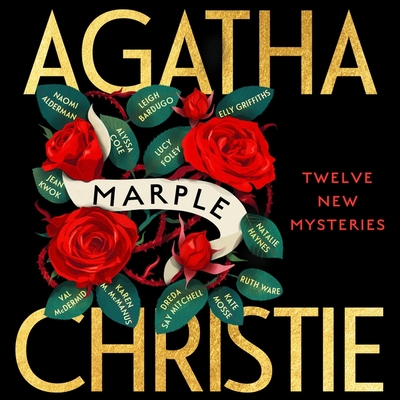
Marple: Twelve New Mysteries PDF - Agatha Christie
Agatha Christie • Crime novels and mysteries • 340 Pages
(0)
Quate
Review
Save
Share
Book Description
Marple: Twelve New Mysteries: A Fresh Collection of Miss Marple Stories Inspired by Agatha Christie
Marple: Twelve New Mysteries is a distinctive collection of original short mystery stories featuring Miss Jane Marple, the legendary amateur detective created by Agatha Christie. Rather than being a newly discovered Christie manuscript or a single full-length novel, this book is a modern tribute to one of the most beloved figures in classic crime fiction. The collection brings together twelve contemporary authors, each writing a new mystery for Miss Marple while preserving the traditional pleasures associated with her character: quiet observation, village wisdom, hidden motives, social secrets, and the sharp understanding of human nature that makes her such a memorable detective.
This collection is especially appealing for readers who enjoy classic detective fiction, Miss Marple mysteries, British crime stories, and short mysteries with clever twists. Each story offers a complete case, allowing readers to enjoy Miss Marple in different settings, situations, and tones. Some mysteries draw on the familiar atmosphere of English villages and country houses, while others place Miss Marple in fresh surroundings that expand the world of the character. The result is a book that feels both nostalgic and new: respectful of Agatha Christie’s legacy, but open to modern voices and perspectives.
A Modern Return for Miss Jane Marple
The central attraction of Marple: Twelve New Mysteries is the return of Miss Marple herself. Jane Marple is not a detective in the official sense. She does not rely on police authority, physical power, or dramatic interrogation. Her strength lies in patience, memory, conversation, and a lifetime of watching people. She understands that the same motives appear everywhere: jealousy, greed, pride, fear, resentment, vanity, love, and revenge. Whether she is observing a village quarrel, a family gathering, a social visit, or a suspicious death, Miss Marple knows that human nature repeats itself in recognizable patterns.
This collection celebrates that method beautifully. Each story gives Miss Marple a new puzzle, but the heart of her detection remains familiar. She notices what others dismiss, listens when people underestimate her, and compares present events with the small dramas she has seen in St. Mary Mead. Her gentleness is never weakness; it is part of her power. People speak freely around her because they do not realize how much she understands. For readers who love Miss Marple’s quiet intelligence, this book offers the pleasure of seeing that intelligence applied again and again in different mysteries.
Twelve Authors, Twelve New Mysteries
One of the most interesting features of Marple: Twelve New Mysteries is its multi-author structure. The collection includes stories by twelve well-known contemporary writers, including Naomi Alderman, Leigh Bardugo, Alyssa Cole, Lucy Foley, Elly Griffiths, Natalie Haynes, Jean Kwok, Val McDermid, Karen M. McManus, Dreda Say Mitchell, Kate Mosse, and Ruth Ware. This gives the book variety while keeping Miss Marple at the center of every case.
Because each author brings a different style, the collection does not read like a single imitation of Agatha Christie. Instead, it works as a set of creative interpretations. Some stories may feel closer to the traditional Christie atmosphere, while others bring a slightly different rhythm, setting, or emotional focus. This variety is part of the collection’s appeal. It allows readers to see how flexible Miss Marple can be as a character, and how her method of detection can still feel relevant in newly imagined mysteries.
Classic Mystery Elements with a Fresh Perspective
Although Marple: Twelve New Mysteries is written by modern authors, the collection remains rooted in the traditions of classic crime fiction. The stories often include familiar mystery elements such as suspicious families, hidden pasts, valuable objects, social secrets, old resentments, and crimes concealed beneath respectable appearances. These are exactly the kinds of situations where Miss Marple shines, because she understands that murder is rarely separate from ordinary life. It grows out of ordinary weaknesses pushed to dangerous extremes.
At the same time, the book offers a fresh perspective on the Miss Marple tradition. The authors bring contemporary awareness to themes such as identity, class, gender, race, social change, and the way different communities hide or reveal truth. This does not remove the classic charm of the mysteries; instead, it adds new layers to the familiar structure. The collection shows that Miss Marple’s greatest gift—her ability to see clearly into human behavior—can work across different times, places, and social worlds.
The Appeal of the Short Mystery Form
As a short story collection, Marple: Twelve New Mysteries is ideal for readers who enjoy complete mysteries in a compact form. Each story can be read on its own, making the book easy to enjoy gradually. This format also suits Miss Marple very well. Her investigations often depend on a sharp moment of recognition: a comment, a memory, a behavior, or a small inconsistency that reveals the truth. In a short story, that kind of insight can be especially satisfying.
The collection provides variety without losing focus. Instead of following one long case, readers move from mystery to mystery, seeing Miss Marple encounter different people, crimes, and secrets. This gives the book a lively pace and makes it suitable for both longtime Christie fans and readers who are just discovering the character. For anyone searching for a Miss Marple short story collection, a modern Agatha Christie-inspired mystery book, or a set of intelligent crime puzzles, this volume offers a strong and enjoyable reading experience.
A Tribute to Agatha Christie’s Enduring Legacy
Marple: Twelve New Mysteries also works as a tribute to Agatha Christie’s influence on crime fiction. Miss Marple first appeared in Christie’s fiction in the late 1920s and became one of the most famous female detectives in literature, known for solving crimes through observation, comparison, and deep moral intelligence. The official Agatha Christie site describes this collection as twelve original stories that reimagine Marple while staying true to the hallmarks of traditional mystery.
This balance between respect and reinvention is essential to the book. It does not try to replace Christie’s original novels and stories. Instead, it invites readers back into the world of Miss Marple through the voices of writers who clearly understand her lasting appeal. The collection reminds us why Jane Marple remains so powerful as a detective: she is underestimated, observant, morally serious, and almost never wrong about people.
Why Readers Enjoy Marple: Twelve New Mysteries
Readers who enjoy Agatha Christie books, Miss Marple mysteries, classic British detective fiction, and cozy crime with clever plotting will find much to appreciate in this collection. It offers the comfort of a familiar detective while introducing new cases and new creative voices. The stories are accessible, varied, and designed for readers who enjoy solving puzzles alongside a detective who sees more than everyone around her.
The book is also a good choice for readers who like mystery anthologies. Because each story is written by a different author, the collection has a rich range of moods and approaches. Some stories may feel warmer and more traditional, while others may be darker, sharper, or more modern. Yet the presence of Miss Marple gives the book unity. Her intelligence, her calm manner, and her understanding of hidden motives connect the stories into one satisfying tribute to classic crime storytelling.
A Fresh and Respectful Collection for Miss Marple Fans
Marple: Twelve New Mysteries is a thoughtful and entertaining collection that brings Miss Jane Marple back into a series of new investigations inspired by Agatha Christie’s timeless detective tradition. With twelve original stories by contemporary authors, the book combines the charm of classic mystery with the freshness of modern storytelling. It is a collection about secrets, appearances, human weakness, and the quiet brilliance of an elderly woman whom criminals underestimate at their own risk.
For anyone looking for a modern Miss Marple book, an Agatha Christie-inspired mystery collection, or a set of short detective stories filled with wit, suspicion, and clever revelations, Marple: Twelve New Mysteries is an excellent choice. It honors the spirit of Christie’s creation while allowing new writers to explore why Miss Marple continues to fascinate readers across generations. Elegant, varied, and full of classic mystery appeal, this collection is a rewarding read for fans of traditional detective fiction and anyone who believes that the sharpest eyes in the room are often the quietest.
Agatha Christie
Agatha Christie is one of the most influential authors in the history of detective fiction, a writer whose name has become almost synonymous with mystery, crime novels, elegant suspense, and the classic art of the carefully constructed puzzle. Born in England and later celebrated around the world, she built a literary career that transformed popular crime writing into a refined form of storytelling based on logic, psychology, timing, and narrative misdirection. Her novels and short stories are admired not only because they entertain, but also because they invite the reader to think, observe, compare clues, and question assumptions. Christie understood that the most effective mystery is not simply a question of who committed the crime, but a study of why people hide, lie, fear exposure, protect secrets, and behave differently under pressure. This combination of intellectual challenge and human insight made her work enduringly popular with readers of many cultures and generations.
Christie is best known for creating two of the most recognizable fictional detectives in world literature: Hercule Poirot and Miss Marple. Hercule Poirot, the meticulous Belgian detective, relies on order, method, and what he famously regards as the power of the mind. He is precise, observant, and often theatrical, yet beneath his distinctive manners lies a sharp understanding of motive and deception. Miss Marple, by contrast, appears gentle, quiet, and rooted in village life, but her understanding of human nature is formidable. She recognizes patterns of jealousy, greed, vanity, resentment, and fear because she has seen similar behavior in ordinary social life. Through these two figures, Christie explored different paths to truth: analytical reasoning on one hand and social observation on the other. Their lasting appeal shows how deeply she understood that detection is not only about evidence, but also about character.
Among Christie’s most famous works are Murder on the Orient Express, And Then There Were None, Death on the Nile, The Murder of Roger Ackroyd, The ABC Murders, and The Mysterious Affair at Styles. Each of these books demonstrates a different aspect of her craft. Murder on the Orient Express uses the enclosed space of a train to create tension, suspicion, and a memorable moral dilemma. And Then There Were None presents isolation, guilt, and fear with extraordinary control, turning a remote setting into a psychological trap. Death on the Nile combines travel, romance, jealousy, and murder in a way that shows Christie’s talent for atmosphere as well as structure. The Murder of Roger Ackroyd is often praised for its bold narrative method and its impact on the conventions of detective fiction. These works continue to attract new readers because they are not merely historical curiosities; they still function as gripping stories with strong pacing, memorable reveals, and carefully planted clues.
Agatha Christie’s style is often described as clear, economical, and highly readable, yet that apparent simplicity hides remarkable technical skill. She rarely wastes a detail. A casual remark, a small object, a shift in tone, or a minor inconsistency may later become essential to the solution. Her plots often depend on the reader looking in the wrong direction, but she usually plays fair by making the truth available before the final explanation. This fairness is one reason her books remain satisfying: the ending feels surprising, but not arbitrary. Christie also had a gift for creating social settings that appear orderly while concealing emotional violence. Country houses, trains, archaeological sites, hotels, boats, and quiet villages become stages on which hidden rivalries and buried histories emerge. Her knowledge of poisons, travel, domestic routines, and social manners helped her create mysteries that feel both theatrical and plausible.
The legacy of Agatha Christie extends far beyond the printed page. Her novels have been translated widely, adapted for stage, film, radio, and television, and continuously reintroduced to new audiences. Her play The Mousetrap became one of the most famous long-running theatrical works in the world, reinforcing her reputation as a master of suspense in dramatic form as well as prose. For book websites, libraries, and readers searching for classic mystery novels, Agatha Christie remains a central author because her work defines many of the expectations associated with detective fiction: the closed circle of suspects, the hidden motive, the unexpected witness, the misleading clue, the final gathering, and the brilliant explanation. Yet her importance is not limited to formula. She gave the mystery genre emotional texture, moral complexity, and a sense of elegant design. Agatha Christie continues to stand as a landmark figure in world literature, a writer whose stories prove that a well-made mystery can be both popular entertainment and a lasting work of narrative intelligence.
Earn Rewards While Reading!
Every 10 pages you read and spent 30 seconds on every page, earns you 5 reward points! Keep reading to unlock achievements and exclusive benefits.
Read
Rate Now
5 Stars
4 Stars
3 Stars
2 Stars
1 Stars
Marple: Twelve New Mysteries Quotes
Top Rated
Latest
Quate
Be the first to leave a quote and earn 10 points
instead of 3
Other books by Agatha Christie
'%20/%3e%3c/svg%3e "Murder on the Orient Express: A Hercule Poirot Mystery")
Agatha Christie.
Crime novels and mysteries
(0)
4570
English
Other books like Marple: Twelve New Mysteries
Jonathan Cahn.
Crime novels and mysteries
(0)
3022
English
Jonathan Cahn.
Crime novels and mysteries
(0)
2682
English
Comments
Be the first to leave a comment and earn 5 points
instead of 3