

The source of the book
This book is published for the public benefit under a Creative Commons license, or with the permission of the author or publisher. If you have any objections to its publication, please contact us.
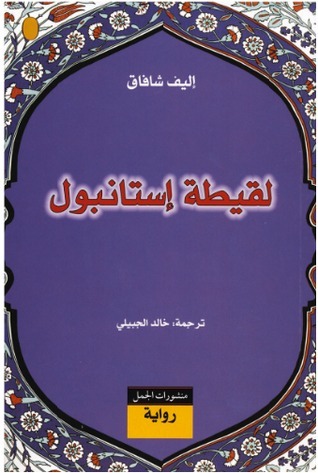
لقيطة اسطنبول PDF - Elif Shafak
Elif Shafak • Drama novels • 427 Pages
(0)
Quate
Review
Save
Share
Book Description
رواية «لقيطة إسطنبول» للكاتبة التركية البريطانية إليف شافاك هي عمل روائي اجتماعي وتاريخي يتناول الذاكرة العائلية، والهوية، والصمت المحيط بالماضي العثماني التركي والأرمني. صدرت الرواية أصلًا بالإنجليزية عام 2006 عن دار Viking Adult بعنوان The Bastard of Istanbul، وظهرت نسختها التركية بعنوان «Baba ve Piç». أما الترجمة العربية، فصدرت عن دار الآداب بترجمة محمد درويش، وتشير بيانات فهرسية إلى سنة 2013 للطبعة العربية المطبوعة، بينما تذكر بعض المنصات الرقمية تاريخًا لاحقًا للنسخة الإلكترونية.
تدور «لقيطة إسطنبول» حول عائلتين تبدوان في البداية متباعدتين تمامًا: عائلة قازانجي التركية المقيمة في إسطنبول، وعائلة أرمنية تعيش آثار التهجير والمنفى عبر أجيالها. في قلب الحكاية تظهر آسية قازانجي، فتاة شابة نشأت في بيت نسائي مزدحم بالأمهات والخالات والجدات، حيث يغيب الرجال غيابًا شبه كامل بسبب ما يبدو كأنه لعنة عائلية تجعل رجال الأسرة يموتون في سن مبكرة. تعيش آسية حياة قلقة ومتمردة، وتواجه العالم بنبرة ساخرة، وهي لا تعرف هوية أبيها، الأمر الذي يجعل لقب “لقيطة” جزءًا من جرحها الشخصي ومن سؤالها عن الأصل والانتماء.
إلى جانب آسية، تقدم إليف شافاك شخصية أرمانوش، وهي فتاة أمريكية من أصول أرمنية، تعيش بين عائلة أمها الأمريكية وزوج أمها التركي مصطفى قازانجي، وبين ذاكرة عائلة أبيها الأرمنية التي لا تزال تحمل جراح أحداث عام 1915. تشعر أرمانوش بأن هويتها ناقصة ما لم تفهم الماضي الذي سمعته في قصص أسرتها، فتقرر السفر إلى إسطنبول سرًا، لا كسائحة عادية، بل كباحثة عن جذور مكسورة ومدينة ارتبطت في خيالها بالألم والفقد.
عندما تصل أرمانوش إلى بيت عائلة قازانجي، تبدأ الرواية في نسج علاقة معقدة بينها وبين آسية. فالأولى تحمل ذاكرة جماعية ثقيلة، والثانية تعيش حاضرًا مشوشًا لا تريد الاعتراف بثقل التاريخ عليه. من خلال لقاء الفتاتين، تفتح الرواية بابًا واسعًا على أسئلة الذنب، والإنكار، والمصالحة، وهل يمكن للأبناء أن يتحملوا أوزار ما فعله الأجداد أو ما رفضوا الاعتراف به. لا تقدم شافاك هذه الأسئلة في شكل محاضرة سياسية، بل عبر الطعام، والحوار العائلي، والتفاصيل اليومية، وروائح إسطنبول، وطقوس البيوت، وطبق عاشوراء الذي يتحول إلى رمز للذاكرة المختلطة، حيث تجتمع مكونات كثيرة في وعاء واحد كما تجتمع في المدينة هويات متعارضة ومتداخلة.
تتعمق الحبكة حين يتضح أن الرابط بين العائلتين ليس مصادفة سطحية. فمصطفى، زوج أم أرمانوش، ينتمي إلى عائلة قازانجي نفسها، وعودته إلى إسطنبول تكشف سرًا عائليًا صادمًا يتعلق بميلاد آسية وبالعنف المسكوت عنه داخل البيت. هنا تربط إليف شافاك بين نوعين من الصمت: صمت الأسرة عن جريمة داخلية، وصمت المجتمع عن ذاكرة تاريخية أكبر. بهذا تصبح قصة آسية الشخصية انعكاسًا لقصة أوسع عن بلد يحاول أن يعيش الحاضر من دون مواجهة كاملة لما حدث في الماضي.
أهمية «لقيطة إسطنبول» لا تأتي فقط من موضوعها الحساس، بل من طريقة بنائها لشخصيات نسائية متعددة الأصوات. في بيت قازانجي نجد الأم القوية، والخالات الغريبات، والجدة التي تختزن ذاكرة مضطربة، وكل واحدة منهن تمثل طريقة مختلفة في النجاة من الألم أو إنكاره. أما إسطنبول في الرواية فليست مجرد مكان للأحداث، بل شخصية حية مليئة بالتناقضات: مدينة جميلة ومزدحمة، مضيافة وقاسية، تنسى وتتذكر في الوقت نفسه.
في النهاية، تقدم إليف شافاك في «لقيطة إسطنبول» رواية عن البحث عن الحقيقة أكثر مما هي رواية عن الإدانة المباشرة. إنها حكاية عن فتاتين تحاولان فهم نفسيهما عبر تاريخ عائلي متشابك، وعن أسرار لا تختفي لمجرد أن أحدًا لا يتحدث عنها. وبفضل لغتها السردية الغنية وشخصياتها المتنوعة، تبقى رواية «لقيطة إسطنبول» من أبرز أعمال إليف شافاك التي تجمع بين الحكاية العائلية والذاكرة التاريخية وسؤال الهوية في تركيا الحديثة.
Elif Shafak
Elif Shafak is a British Turkish novelist, essayist, storyteller, and public intellectual whose work has become a defining voice in contemporary world literature. Known for her rich narrative imagination, her lyrical yet accessible prose, and her deep interest in identity, memory, migration, faith, gender, and freedom, Shafak writes fiction that crosses borders without losing emotional intimacy. Her life across cultures and languages has shaped a literary vision in which no person, city, or history is understood through a single angle. Instead, her novels invite readers into layered worlds where personal stories intersect with political tensions, family secrets, collective trauma, spiritual longing, and the fragile beauty of everyday life. She writes in Turkish and English, and her international readership has grown through novels that combine the pace of compelling storytelling with the depth of philosophical reflection. In her work, Istanbul often appears not simply as a setting but as a living archive of voices, memories, contradictions, and silences, while London, Cyprus, Mesopotamia, and other landscapes become spaces where the past continues to speak through the present.
Elif Shafak is especially admired for her ability to give narrative dignity to people who are frequently pushed to the margins of official history or social respectability. Women, migrants, minorities, outsiders, artists, mystics, children, elderly people, and those carrying hidden wounds often stand at the center of her fiction. Her novels do not reduce these characters to symbols; they allow them to breathe, contradict themselves, love, fail, remember, and transform. This attention to complexity is one reason her books appeal to readers of literary fiction, historical novels, feminist writing, spiritual fiction, and socially engaged storytelling. Among her best-known works, The Forty Rules of Love brought a wide global audience into a dual narrative inspired by Rumi and Shams of Tabriz, exploring love as a spiritual awakening and a radical reordering of the self. The Bastard of Istanbul examines family memory, inherited silence, and historical pain through a bold and emotionally charged story. The Architect’s Apprentice blends art, architecture, imperial history, and apprenticeship into a novel about beauty, power, and human ambition. Three Daughters of Eve explores faith, doubt, education, class, and womanhood through characters shaped by different understandings of belief and modernity.
One of Shafak’s major achievements is her talent for combining moral seriousness with narrative pleasure. 10 Minutes 38 Seconds in This Strange World gives voice to a murdered woman in Istanbul and uses the final activity of memory to illuminate friendship, exclusion, violence, and tenderness. The Island of Missing Trees connects forbidden love, divided Cyprus, displacement, environmental grief, and intergenerational memory, while giving nature a striking narrative presence. There Are Rivers in the Sky extends her imagination across centuries and geographies, bringing together water, ancient stories, ecological crisis, colonial memory, and human resilience. Across these works, water, trees, houses, streets, food, smells, songs, and inherited objects often become carriers of memory, reminding readers that history is not abstract; it lives in bodies, families, landscapes, and language. Shafak’s fiction also shows a strong commitment to empathy, not as sentimentality but as an ethical practice. She asks readers to listen to more than one story, to distrust rigid certainties, and to recognize how easily societies can erase those who do not fit dominant narratives.
Beyond her novels, Elif Shafak is recognized for her essays, speeches, and advocacy. Her academic background in political science informs her understanding of nationalism, censorship, democracy, exile, gender inequality, and cultural polarization, yet her writing remains grounded in story rather than ideology. She has spoken widely about freedom of expression, women’s rights, minority rights, and the necessity of literary imagination in times of fear and division. Her books have been translated into many languages and have received international recognition, making her one of the most widely read authors associated with both Turkish and British literary life. For a book website, Elif Shafak represents an author whose name draws readers interested in powerful novels, multicultural fiction, women writers, historical memory, spiritual depth, and emotionally intelligent storytelling. Her literary significance lies not only in the success of individual books, but in the coherence of a larger creative project: to defend plurality, restore silenced voices, and show that stories can build bridges where politics often builds walls.
Earn Rewards While Reading!
Every 10 pages you read and spent 30 seconds on every page, earns you 5 reward points! Keep reading to unlock achievements and exclusive benefits.
Read
Rate Now
5 Stars
4 Stars
3 Stars
2 Stars
1 Stars
لقيطة اسطنبول Quotes
Top Rated
Latest
Quate
Be the first to leave a quote and earn 10 points
instead of 3
'%20/%3e%3c/svg%3e "البنت التي لا تحب اسمها")
Comments
Be the first to leave a comment and earn 5 points
instead of 3