

The source of the book
This book is published for the public benefit under a Creative Commons license, or with the permission of the author or publisher. If you have any objections to its publication, please contact us.
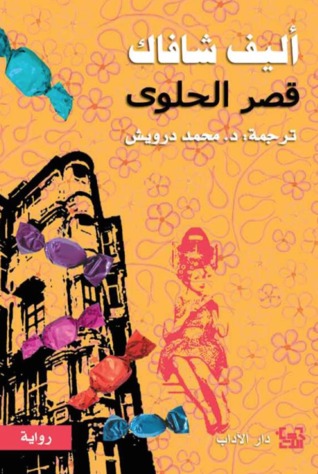
قصر الحلوى PDF - Elif Shafak
Elif Shafak • literature • 553 Pages
(0)
Quate
Review
Save
Share
Book Description
رواية «قصر الحلوى» للكاتبة التركية إليف شافاك هي عمل روائي اجتماعي تدور أحداثه في إسطنبول، وتعرف عالميًا باسمها الإنجليزي The Flea Palace وبعنوانها التركي الأصلي Bit Palas. صدرت الرواية في أصلها التركي عام 2002 عن دار Metis Yayınları، ثم صدرت نسختها العربية عن دار الآداب عام 2016 بترجمة محمد درويش، وتعرضها دار الآداب بوصفها رواية تقع في 552 صفحة.
تبدأ «قصر الحلوى» من مبنى قديم كان في بدايته رمزًا للحب والترف، إذ بناه مهاجر أرستقراطي روسي وأهداه لحبيبته، لكن هذا القصر الذي حمل اسمًا يوحي بالحلاوة والنعومة يتحول مع الزمن إلى فضاء متداعٍ ومزدحم بالروائح والضجيج والأسرار. من خلال هذا المبنى، تفتح إليف شافاك نافذة واسعة على تناقضات المجتمع الإسطنبولي، حيث يعيش في الشقق سكان مختلفون في الطبقة والخلفية والمزاج: أستاذ جامعي غارق في عاداته وأفكاره، توأمان يديران صالون حلاقة، رجل متدين يعيش مع عائلته، امرأة مهووسة بالنظافة وابنة تعاني من القمل، وشخصيات أخرى تكشف هشاشة العلاقات الإنسانية داخل المدينة.
ملخص رواية «قصر الحلوى» يقوم على فكرة المكان بوصفه بطلًا موازيًا للشخصيات. فالمبنى ليس مجرد خلفية للأحداث، بل هو مرآة لمدينة إسطنبول نفسها؛ مدينة تحمل طبقات من التاريخ والهجرة والاختلاط الثقافي والتوتر الاجتماعي. كل شقة داخل القصر تمثل حكاية مستقلة، لكنها في الوقت نفسه جزء من شبكة واحدة تجمع السكان رغم عزلتهم. يعيش كل فرد خلف بابه الخاص، يحاول حماية أسراره وترتيب عالمه الصغير، لكن الروائح المتصاعدة من القمامة، والحشرات، والأصوات، والفضائح الصغيرة، كلها تخترق الجدران وتؤكد أن أحدًا لا يستطيع الانفصال تمامًا عن الآخرين.
تتحرك الحبكة حول تفاصيل يومية تبدو بسيطة في البداية، مثل أكياس القمامة ومشكلة النظافة وتراكم الإزعاج داخل المبنى، لكنها تتحول تدريجيًا إلى علامات على خلل أعمق. فعندما تختفي القمامة أو تتبدل طريقة التعامل معها، تبدأ سلسلة من الأحداث الغامضة التي تدفع السكان إلى التساؤل عن الحقيقة وعن علاقتهم بالمكان وببعضهم. ومن خلال هذا الخيط، تكشف الرواية عن الخوف من فقدان الهوية، وعن الظلم الاجتماعي، وعن محاولة الإنسان إلقاء القذارة، رمزيًا وحرفيًا، خارج نفسه بدل مواجهتها.
أسلوب إليف شافاك في «قصر الحلوى» يمزج السخرية بالحزن، والواقعية الاجتماعية بلمسات من الغرابة، لذلك لا تبدو الرواية مجرد حكاية عن بناية قديمة، بل قراءة في النفوس التي تسكنها. الشخصيات ليست مثالية؛ كل واحدة تحمل ضعفها الخاص، وذاكرتها، وأحكامها المسبقة، ورغبتها في النجاة من الوحدة. ومع تقدم الأحداث، يصبح القارئ أمام لوحة متعددة الأصوات عن الحب الفاشل، والعلاقات العائلية المتعبة، والهجرة، والتهميش، والبحث عن معنى وسط فوضى المدينة.
تتميز رواية «قصر الحلوى» بأنها تجعل من القمامة والرائحة والحشرات رموزًا أدبية لا للاتساخ الخارجي فقط، بل للتراكمات النفسية والاجتماعية التي يحاول الناس إنكارها. ولهذا تعد من أعمال إليف شافاك المهمة لمحبي الروايات التي تجمع بين الحكاية المشوقة والتأمل في المجتمع والهوية. إنها رواية عن سكان مبنى واحد، لكنها في جوهرها رواية عن مدينة كاملة، وعن بشر يعيشون متجاورين من دون أن يعرفوا حقًا كيف ينصتون إلى بعضهم.
Elif Shafak
Elif Shafak is a British Turkish novelist, essayist, storyteller, and public intellectual whose work has become a defining voice in contemporary world literature. Known for her rich narrative imagination, her lyrical yet accessible prose, and her deep interest in identity, memory, migration, faith, gender, and freedom, Shafak writes fiction that crosses borders without losing emotional intimacy. Her life across cultures and languages has shaped a literary vision in which no person, city, or history is understood through a single angle. Instead, her novels invite readers into layered worlds where personal stories intersect with political tensions, family secrets, collective trauma, spiritual longing, and the fragile beauty of everyday life. She writes in Turkish and English, and her international readership has grown through novels that combine the pace of compelling storytelling with the depth of philosophical reflection. In her work, Istanbul often appears not simply as a setting but as a living archive of voices, memories, contradictions, and silences, while London, Cyprus, Mesopotamia, and other landscapes become spaces where the past continues to speak through the present.
Elif Shafak is especially admired for her ability to give narrative dignity to people who are frequently pushed to the margins of official history or social respectability. Women, migrants, minorities, outsiders, artists, mystics, children, elderly people, and those carrying hidden wounds often stand at the center of her fiction. Her novels do not reduce these characters to symbols; they allow them to breathe, contradict themselves, love, fail, remember, and transform. This attention to complexity is one reason her books appeal to readers of literary fiction, historical novels, feminist writing, spiritual fiction, and socially engaged storytelling. Among her best-known works, The Forty Rules of Love brought a wide global audience into a dual narrative inspired by Rumi and Shams of Tabriz, exploring love as a spiritual awakening and a radical reordering of the self. The Bastard of Istanbul examines family memory, inherited silence, and historical pain through a bold and emotionally charged story. The Architect’s Apprentice blends art, architecture, imperial history, and apprenticeship into a novel about beauty, power, and human ambition. Three Daughters of Eve explores faith, doubt, education, class, and womanhood through characters shaped by different understandings of belief and modernity.
One of Shafak’s major achievements is her talent for combining moral seriousness with narrative pleasure. 10 Minutes 38 Seconds in This Strange World gives voice to a murdered woman in Istanbul and uses the final activity of memory to illuminate friendship, exclusion, violence, and tenderness. The Island of Missing Trees connects forbidden love, divided Cyprus, displacement, environmental grief, and intergenerational memory, while giving nature a striking narrative presence. There Are Rivers in the Sky extends her imagination across centuries and geographies, bringing together water, ancient stories, ecological crisis, colonial memory, and human resilience. Across these works, water, trees, houses, streets, food, smells, songs, and inherited objects often become carriers of memory, reminding readers that history is not abstract; it lives in bodies, families, landscapes, and language. Shafak’s fiction also shows a strong commitment to empathy, not as sentimentality but as an ethical practice. She asks readers to listen to more than one story, to distrust rigid certainties, and to recognize how easily societies can erase those who do not fit dominant narratives.
Beyond her novels, Elif Shafak is recognized for her essays, speeches, and advocacy. Her academic background in political science informs her understanding of nationalism, censorship, democracy, exile, gender inequality, and cultural polarization, yet her writing remains grounded in story rather than ideology. She has spoken widely about freedom of expression, women’s rights, minority rights, and the necessity of literary imagination in times of fear and division. Her books have been translated into many languages and have received international recognition, making her one of the most widely read authors associated with both Turkish and British literary life. For a book website, Elif Shafak represents an author whose name draws readers interested in powerful novels, multicultural fiction, women writers, historical memory, spiritual depth, and emotionally intelligent storytelling. Her literary significance lies not only in the success of individual books, but in the coherence of a larger creative project: to defend plurality, restore silenced voices, and show that stories can build bridges where politics often builds walls.
Earn Rewards While Reading!
Every 10 pages you read and spent 30 seconds on every page, earns you 5 reward points! Keep reading to unlock achievements and exclusive benefits.
Read
Rate Now
5 Stars
4 Stars
3 Stars
2 Stars
1 Stars
قصر الحلوى Quotes
Top Rated
Latest
Quate
Be the first to leave a quote and earn 10 points
instead of 3
'%20/%3e%3c/svg%3e "البنت التي لا تحب اسمها")
Comments
Be the first to leave a comment and earn 5 points
instead of 3