

The source of the book
This book is published for the public benefit under a Creative Commons license, or with the permission of the author or publisher. If you have any objections to its publication, please contact us.
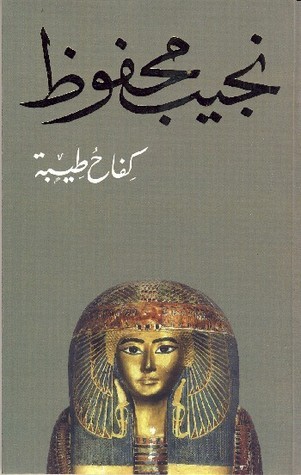
كفاح طيبة PDF - Naguib Mahfouz
Naguib Mahfouz • History of Africa • 258 Pages
(0)
Quate
Review
Save
Share
Book Description
رواية كفاح طيبة للكاتب نجيب محفوظ (Naguib Mahfouz) هي واحدة من أبرز رواياته التاريخية، صدرت لأول مرة عام 1944 عن مكتبة مصر. تنتمي الرواية إلى المرحلة التاريخية في مسيرة محفوظ، حيث استلهم أحداثها من تاريخ مصر القديمة، وتحديدًا فترة احتلال الهكسوس، ليقدم عملًا يمزج بين السرد الأدبي والروح الوطنية، قبل انتقاله لاحقًا إلى الرواية الواقعية التي اشتهر بها.
تدور الفكرة الرئيسية للرواية حول مقاومة الاحتلال، والدفاع عن الهوية الوطنية، والإيمان بأن الحرية لا تُنال إلا بالصبر والتضحية. يستلهم نجيب محفوظ قصة نضال المصريين القدماء ضد الهكسوس، ويركز على شخصية الملك أحمس الذي يقود رحلة طويلة لاستعادة استقلال البلاد بعد سنوات من الخضوع للحكم الأجنبي. وخلال الأحداث، يصور الكاتب كيف تتشكل شخصية القائد، وكيف تتحد إرادة الشعب مع قيادته لتحقيق التحرير، مع إبراز قيم الشجاعة والوفاء والانتماء.
تبدأ الرواية في فترة يسودها الضعف والانقسام، بينما يفرض الهكسوس سيطرتهم على أجزاء واسعة من مصر. ينشأ أحمس وهو يحمل حلم استعادة وطنه، ويتدرج في اكتساب الخبرة والقوة حتى يصبح قادرًا على قيادة جيش يواجه المحتلين. تتوالى الأحداث عبر معارك سياسية وعسكرية، كما تتخللها علاقات إنسانية وصراعات نفسية تُبرز ثمن الحرب والتضحيات التي يقدمها الأفراد في سبيل الوطن. وتنتهي الرواية بانتصار المصريين واستعادة استقلالهم، في رسالة تؤكد أن الإرادة الجماعية قادرة على تغيير مجرى التاريخ.
تناسب كفاح طيبة محبي الروايات التاريخية، والقراء المهتمين بتاريخ مصر القديمة، وكذلك الطلاب والباحثين عن أعمال أدبية تقدم التاريخ في قالب روائي مشوق. كما تعد خيارًا جيدًا لمن يرغب في التعرف إلى البدايات الإبداعية لنجيب محفوظ قبل أعماله الواقعية الشهيرة.
من أبرز نقاط قوة الرواية قدرتها على تحويل حدث تاريخي إلى قصة إنسانية مليئة بالحركة والعاطفة، مع لغة عربية فصيحة وأسلوب واضح وسلس مقارنة بكثير من الروايات التاريخية. كما يتميز العمل بروحه الوطنية، وبناء شخصياته بطريقة تجعل القارئ يتفاعل مع تطورها ودوافعها. أما من نقاط الضعف التي قد يلاحظها بعض القراء، فهي أن الشخصيات تميل أحيانًا إلى تمثيل القيم والمبادئ أكثر من تعقيدها النفسي، كما أن بعض الحوارات تعكس الأسلوب الأدبي السائد في أربعينيات القرن العشرين، وهو ما قد يبدو أقل واقعية بالنسبة لبعض القراء المعاصرين.
ما يميز كفاح طيبة عن كثير من الروايات التاريخية العربية أنها لا تكتفي بإعادة سرد الوقائع، بل تستخدم التاريخ وسيلة لطرح أفكار عن الحرية والهوية والوحدة الوطنية. وقد كُتبت في فترة كانت مصر تشهد تصاعدًا في المشاعر الوطنية، لذلك رأى كثير من النقاد أن الرواية تعكس هموم عصرها بقدر ما تستلهم الماضي، دون أن تتحول إلى مجرد تسجيل تاريخي.
تظل الرواية جديرة بالقراءة حتى اليوم، سواء بوصفها عملًا أدبيًا ممتعًا أو وثيقة مهمة لفهم تطور تجربة نجيب محفوظ الفنية. فهي تكشف عن اهتمامه المبكر بالتاريخ المصري، وتبرز قدرته على توظيف الأحداث التاريخية لإثارة أسئلة إنسانية وسياسية ما زالت تحتفظ براهنيتها. كما تمنح القارئ فرصة للتأمل في العلاقة بين القيادة والشعب، وبين الحرية والتضحية، وهي موضوعات تتجاوز حدود الزمان والمكان.
من الناحية الثقافية والفكرية، تنتمي الرواية إلى مشروع نجيب محفوظ المبكر الذي سعى إلى استلهام الحضارة المصرية القديمة وإحياء الوعي بتاريخها في الأدب العربي الحديث. وقد سبقت هذه المرحلة انتقاله إلى الواقعية الاجتماعية التي توجت لاحقًا بحصوله على جائزة نوبل في الأدب. أما كفاح طيبة نفسها فلم تحصل على جائزة أدبية مستقلة معروفة، لكنها تُعد من أهم الروايات التاريخية العربية، وما زالت تحظى باهتمام القراء والنقاد باعتبارها إحدى المحطات الأساسية في المسيرة الإبداعية لنجيب محفوظ.
Naguib Mahfouz
Naguib Mahfouz: The pioneer of the Arabic novel, and the winner of the highest literary prize in the world.
He was born on December 11, 1911 in Al-Gamaliya neighborhood in Cairo, to a middle-class family. His father was a government employee. He chose the name of the doctor who supervised his birth, Dr. Naguib Mahfouz Pasha, so that his name would be compounded by Naguib Mahfouz.
He was sent to writers at a young age, and then enrolled in primary school, during which he learned about the adventures of "Ben Johnson", which he borrowed from a colleague to read, to be Mahfouz's first experience in the world of reading. He also experienced the 1919 revolution at the age of eight, and it left a profound impact on him that later appeared in his novels.
After high school, Mahfouz decided to study philosophy and joined the Egyptian University, and there he met the Dean of Arabic Literature, Taha Hussein, to tell him of his desire to study the origin of existence. At this stage, his passion for reading increased, and he was preoccupied with the ideas of philosophers, which had the greatest impact on his way of thinking.
After graduating from the university, he worked as an administrative employee there for a year, then held several government jobs such as his work as a secretary in the Ministry of Awqaf. He also held several other positions, including: Head of the Oversight Authority at the Ministry of Guidance, Chairman of the Board of Directors of the Cinema Support Foundation, and Adviser to the Ministry of Culture.
Mahfouz had intended to complete academic studies and prepare for a master’s degree in philosophy on the subject of “Beauty in Islamic Philosophy,” but he fought a struggle with himself between his love for philosophy on the one hand, and his love for tales and literature, which began from his childhood on the other, and ended this internal conflict in favor of literature; He saw that philosophy could be presented through literature.
Mahfouz began to feel his first steps in the world of literature by writing stories, so he published eighty stories without payment. In 1939, his first creative experiments came to light. The novel "The Abatement of Destinies", after which he continued writing the novel and the short story in addition to the play, as well as press articles and scenarios for some Egyptian films.
Mahfouz’s novelist experience went through several stages, starting with the historical stage in which he returned to ancient Egyptian history, and issued his three historical trilogy: “The Absurdity of Predestination,” “Radopis,” and “The Good Struggle.” Then the realistic stage that began in 1945 AD, coinciding with the Second World War; At this stage, he approached reality and society, and published his realistic novels such as “New Cairo” and “Khan Al-Khalili”, reaching the peak of novelistic creativity with the famous trilogy: “Bain Al Qasrain”, “Qasr Al-Shouq” and “Al-Sukaria”. Then the symbolic or intellectual stage, whose most prominent works were: "The Road", "The Beggar", "Gossip over the Nile", and "The Children of Our Neighborhood" (which caused widespread controversy in religious circles, and its publication was banned for a while).
In 1994, Mahfouz was subjected to an assassination attempt, from which he survived, but it affected the nerves of the upper right side of the neck, negatively affecting his ability to write.
He received many international and local awards, most notably: the “Nobel Prize in Literature” in 1988, and the “Nile Necklace” in the same year.
The icon of Egyptian and Arabic literature “Naguib Mahfouz” passed away on August 30, 2006 AD, after a life full of creativity and giving, during which he presented many literary works close to humans and loaded with the philosophy of life, which is a great legacy that every Egyptian, every Arab, and every human celebrates.
Earn Rewards While Reading!
Every 10 pages you read and spent 30 seconds on every page, earns you 5 reward points! Keep reading to unlock achievements and exclusive benefits.
Read
Rate Now
5 Stars
4 Stars
3 Stars
2 Stars
1 Stars
كفاح طيبة Quotes
Top Rated
Latest
Quate
Be the first to leave a quote and earn 10 points
instead of 3
Other books by Naguib Mahfouz
Other books like كفاح طيبة
'%20/%3e%3c/svg%3e "بين الأسد الأفريقي والنمر الإيطالي: بحث تحليلي تاريخي ونفساني واجتماعي في المشكلة الحبشية الإيطالية")
Mohammed Lotfi.
History of Africa
(0)
1547
Arabic
Abdullah Hussein.
History of Africa
(0)
2245
Arabic
Abdullah Hussein.
History of Africa
(0)
1790
Arabic
Comments
Be the first to leave a comment and earn 5 points
instead of 3