

The source of the book
This book is published for the public benefit under a Creative Commons license, or with the permission of the author or publisher. If you have any objections to its publication, please contact us.
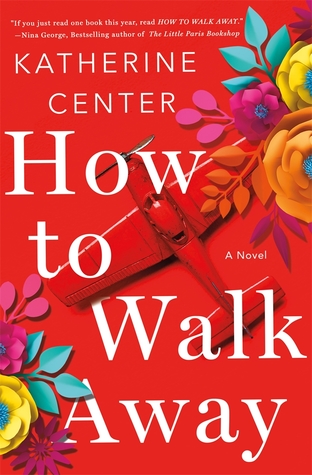
How to Walk Away PDF - Katherine Center
Katherine Center • romantic novels • 262 Pages
(0)
Quate
Review
Save
Share
Book Description
How to Walk Away by Katherine Center is a moving, warm-hearted contemporary novel about resilience, love, family, and the difficult art of rebuilding a life after everything changes. Blending women’s fiction, romance, emotional drama, and uplifting humor, the novel follows Margaret Jacobsen, a young woman whose carefully planned future seems almost perfect: a dream job, a fiancé she loves, and the promise of a bright new beginning. But in one sudden, life-altering moment, that future is shattered, forcing Margaret to face a new reality she never imagined.
A Heartfelt Novel About Starting Over
At the center of the story is Margaret, a character who begins the novel standing at the edge of everything she has worked toward. Her life appears to be moving in the right direction, full of achievement, romance, and expectation. Then tragedy interrupts that certainty, leaving her in the hospital and pushing her into a painful confrontation with fear, loss, disappointment, and the possibility that nothing will return to the way it was before. Rather than presenting recovery as simple or sentimental, Katherine Center explores how healing can be messy, frustrating, surprising, and deeply human.
As Margaret tries to understand what her life can become, she must also deal with complicated relationships around her. Her fiancé, Chip, does not respond to crisis in the way she needs. Her estranged sister, Kit, returns after years away, bringing unresolved family tension with her. And Ian, Margaret’s demanding physical therapist, becomes an unexpected presence in her recovery, challenging her when she wants to give up and seeing strength in her when she struggles to see it herself. These relationships give the novel its emotional depth, turning How to Walk Away into more than a story about an accident; it becomes a story about identity, forgiveness, family secrets, self-worth, and the courage to imagine a different kind of future.
Themes of Resilience, Healing, and Hope
One of the strongest themes in How to Walk Away is the question of what remains when the life you expected disappears. Margaret’s journey is not only physical but emotional and psychological. She has to grieve the version of herself she thought she would become, while slowly discovering that a changed life can still hold meaning, humor, connection, and love. This makes the novel especially appealing to readers searching for books about resilience, healing after trauma, starting over, and finding hope after loss.
Katherine Center writes about hardship with tenderness, but she also brings lightness and wit to the story. The novel is often described through contrasts: heartbreaking yet hopeful, romantic yet grounded, funny yet emotionally honest. That balance is part of its appeal. Readers who enjoy emotional fiction often want a story that acknowledges pain without becoming hopeless, and How to Walk Away offers exactly that kind of reading experience. It recognizes that recovery is not a straight path, but it also insists that joy can return in unexpected ways.
Romance with Emotional Depth
Although How to Walk Away includes a memorable romantic thread, it is not only a love story in the traditional sense. The romance develops within a larger story of self-discovery, vulnerability, and personal strength. Ian’s role in Margaret’s life is complicated by his position as her physical therapist and by his emotionally guarded personality, but his presence helps reveal one of the novel’s central ideas: sometimes the person who challenges you most is also the person who refuses to let you disappear into your pain.
The romantic elements are tender, restrained, and emotionally driven, making the book a strong choice for readers who enjoy contemporary romance with substance, closed-door romance, and uplifting romantic fiction where the emotional stakes matter as much as the relationship itself. The love story grows not from fantasy perfection but from honesty, discomfort, patience, and the slow recognition of being truly seen. This gives the romance a satisfying depth while keeping Margaret’s personal growth at the heart of the novel.
Family, Forgiveness, and the People Who Show Up
Another important layer of the novel is its focus on family. Margaret’s recovery brings old tensions to the surface, especially through the return of her sister Kit. Their relationship adds humor, conflict, and emotional texture to the story, reminding readers that healing rarely happens in isolation. Families can disappoint, protect, misunderstand, and surprise one another, and Katherine Center captures that complexity with warmth and sharp observation.
The novel also explores the difference between the people who are present when life is easy and the people who show up when life becomes difficult. Margaret’s crisis reveals uncomfortable truths about loyalty, love, and dependence. Some relationships prove weaker than expected, while others become unexpectedly powerful. This makes How to Walk Away a thoughtful choice for book clubs, because it raises accessible but meaningful questions about courage, forgiveness, personal identity, and what it really means to support someone through change.
A Katherine Center Novel Full of Warmth and Wisdom
Readers familiar with Katherine Center books will recognize her signature blend of emotional honesty, humor, and hope. Her fiction often focuses on women facing major life disruptions and discovering strength they did not know they had. In How to Walk Away, that storytelling style is especially effective because the novel begins with such a dramatic rupture and then follows the quieter, more complicated process of rebuilding from the inside out.
The book has also been widely recognized by readers and booksellers. It was listed as an instant New York Times and USA Today bestseller on the author’s official page, received starred reviews from Kirkus and Booklist, and was selected by Book of the Month Club in May 2018. These details reflect the novel’s strong appeal among readers of emotional contemporary fiction, women’s fiction, and uplifting romance.
Who Should Read How to Walk Away?
How to Walk Away is ideal for readers who enjoy novels about ordinary people facing extraordinary change. It will appeal to anyone looking for a story that is emotional without being bleak, romantic without losing realism, and inspiring without feeling simplistic. Fans of Jojo Moyes, Emily Giffin, Elizabeth Berg, and heartfelt contemporary fiction may find much to appreciate in Margaret’s journey, especially if they enjoy stories centered on recovery, second chances, complicated families, and love found in unexpected places.
This is also a strong choice for readers who want a page-turning novel with emotional substance. The premise is dramatic, but the book’s lasting strength lies in its character work: Margaret’s anger, fear, humor, stubbornness, and gradual hope all feel central to the reading experience. Instead of offering easy answers, the novel invites readers to sit with uncertainty and watch a character learn how to live again when the old map of her life no longer works.
A Hopeful Story About Becoming Whole Again
Ultimately, How to Walk Away by Katherine Center is a novel about what it means to keep going after life breaks open. It is about losing certainty and discovering resilience, confronting disappointment and making room for love, facing pain and still finding reasons to laugh. Margaret’s story is not about returning unchanged to who she was before; it is about becoming someone new, someone tested, wounded, wiser, and still capable of joy.
For readers seeking an uplifting contemporary novel, a romantic women’s fiction book, or an emotionally rich story about healing and second chances, How to Walk Away offers a memorable and compassionate reading experience. It is tender, witty, hopeful, and deeply human—a book about falling, surviving, and learning, step by step, how to walk forward again.
Katherine Center
Katherine Center is an American novelist and New York Times bestselling author whose warm, witty, emotionally generous romantic comedies have made her one of the most recognizable contemporary voices in comfort reads, women’s fiction, and modern love stories about resilience. Center’s books are often described as laugh-and-cry novels, and that phrase captures the distinctive promise of her work: she writes stories that are bright, funny, accessible, and deeply hopeful, but she also places her characters inside real emotional struggle, professional pressure, family complexity, grief, fear, injury, insecurity, and the hard work of beginning again. Long before she became known for bestselling novels such as “The Bodyguard,” “Hello Stranger,” “The Rom-Commers,” and “The Love Haters,” Center was a writer in formation, drafting stories early, studying creative writing at Vassar College, winning the Vassar College Fiction Prize, and later receiving a fellowship to the University of Houston’s Creative Writing Program. Her debut novel, “The Bright Side of Disaster,” introduced readers to the mixture of humor and heartbreak that would become central to her fiction. Since then, she has built a career around romantic comedies that take joy seriously. Her heroines are often capable women who have learned to function under stress but must relearn vulnerability; her heroes are usually appealing not because they rescue the heroine from life, but because they help create the conditions in which honesty, courage, and tenderness can grow. In “The Lost Husband,” Center writes about loss, rebuilding, family, and second chances; in “Happiness for Beginners,” she uses a wilderness survival course to explore reinvention and emotional bravery; in “How to Walk Away,” she turns a life-altering accident into a story about pain, identity, and unexpected hope. “Things You Save in a Fire” brings romance into the world of firefighters and asks what courage means when professional bravery is easier than emotional openness. “What You Wish For” explores joy as a deliberate choice rather than a naïve mood. “The Bodyguard,” one of her most widely recognized novels, reverses expectations by making the professional protector a woman and the person needing protection a famous actor, creating a rom-com that is playful, tender, and interested in public image, private loneliness, and trust. “Hello Stranger” follows a portrait artist facing face blindness, allowing Center to write about perception, identity, and love when recognition itself becomes complicated. “The Rom-Commers” celebrates the genre directly through a screenwriting premise, while “The Love Haters” follows a video producer who cannot swim but must profile a U.S. Coast Guard rescue swimmer in Key West. Two of Center’s novels have reached screen audiences: “The Lost Husband” was adapted into a film starring Josh Duhamel, and “Happiness for Beginners” became a Netflix original starring Ellie Kemper. Her forthcoming novel “The Shippers,” scheduled for May 19, 2026, is a cruise-ship wedding romance with childhood friends, fake flirting, and a second-chance emotional current. Center lives in her hometown of Houston, Texas, and remains a beloved author for readers who want romance that is funny, kind, craft-conscious, big-hearted, and grounded in the conviction that joy matters as much as sorrow.
Earn Rewards While Reading!
Every 10 pages you read and spent 30 seconds on every page, earns you 5 reward points! Keep reading to unlock achievements and exclusive benefits.
Read
Rate Now
5 Stars
4 Stars
3 Stars
2 Stars
1 Stars
How to Walk Away Quotes
Top Rated
Latest
Quate
Be the first to leave a quote and earn 10 points
instead of 3
'%20/%3e%3c/svg%3e "The Bodyguard")
Comments
Be the first to leave a comment and earn 5 points
instead of 3