

The source of the book
This book is published for the public benefit under a Creative Commons license, or with the permission of the author or publisher. If you have any objections to its publication, please contact us.
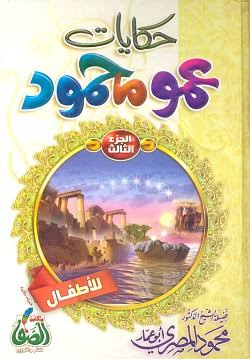
حكايات عمو محمود PDF - Mahmoud AlMasri
Mahmoud AlMasri • Think and Culture • 547 Pages
(0)
Quate
Review
Save
Share
Book Description
يُعد كتاب «حكايات عمو محمود» للداعية والمؤلف محمود المصري (أبو عمار) من أبرز الكتب العربية الموجهة للأطفال والناشئة، وقد صدر عن مكتبة الصفا للنشر والتوزيع، وكانت طبعته الأولى عام 2010 في جزأين، ثم صدرت له أجزاء وإصدارات لاحقة. يضم الكتاب نحو 240 قصة تربوية متنوعة، صيغت بأسلوب قصصي بسيط يهدف إلى غرس القيم الإسلامية والأخلاق الحميدة في نفوس الأطفال من خلال الحكاية والموقف والعبرة، بعيدًا عن الأسلوب الوعظي المباشر.
يعتمد محمود المصري في هذا العمل على تقديم قصص قصيرة ومتنوعة، تستلهم مواقف من الحياة اليومية، والسيرة النبوية، وأخبار الصالحين، والقصص الهادفة، مع التركيز على قيم مثل الصدق، والأمانة، وبر الوالدين، والإحسان إلى الآخرين، والتعاون، والشجاعة، والصبر، وحسن الخلق. ولا يرتبط الكتاب بحبكة روائية واحدة أو شخصيات ثابتة، بل يقدم مجموعة مستقلة من الحكايات، بحيث يمكن للطفل أو المربي قراءة أي قصة بصورة منفصلة والاستفادة من رسالتها التربوية.
الفكرة الأساسية للكتاب هي أن التربية بالقصة أكثر تأثيرًا في الأطفال من أسلوب الأوامر المباشرة، لذلك يستخدم المؤلف السرد والحوار والأحداث القصيرة لجذب انتباه القارئ الصغير، ثم يختتم كل قصة بعبرة واضحة تساعد الطفل على ربط الحدث بالسلوك الصحيح. كما يحرص على استخدام لغة عربية سهلة ومبسطة تناسب المراحل العمرية المختلفة، مع المحافظة على سلامة الأسلوب ووضوح المعنى.
يناسب الكتاب الأطفال في المرحلة الابتدائية وما قبلها عند القراءة مع الوالدين، كما يناسب الناشئة في بداية المرحلة الإعدادية، ويمكن أن يستفيد منه الآباء والأمهات والمعلمون في تقديم مادة تربوية هادفة داخل المنزل أو المدرسة أو حلقات تحفيظ القرآن. وتساعد طبيعة القصص القصيرة على القراءة اليومية دون الحاجة إلى متابعة تسلسل معين.
من أبرز نقاط القوة في الكتاب تنوع موضوعاته، وسهولة لغته، وكثرة الأمثلة العملية، وارتباط القصص بالقيم الإسلامية والأخلاقية التي يحتاجها الطفل في حياته اليومية. كما أن تقسيمه إلى عدد كبير من الحكايات يجعله مناسبًا للقراءة المتدرجة، ويمنح القارئ فرصة اختيار القصة التي تناسب الموقف أو القيمة المراد تعليمها. وفي المقابل، قد يرى بعض القراء أن الطابع التعليمي يغلب أحيانًا على الجانب الأدبي، وأن بعض القصص تقدم العبرة بصورة مباشرة أكثر من اعتمادها على الرمز أو العمق الفني، وهو أمر يتماشى مع طبيعة الكتاب وأهدافه التربوية.
ويمتاز «حكايات عمو محمود» عن كثير من كتب الأطفال العربية بأنه يجمع بين التسلية والتعليم في إطار إسلامي واضح، مع التركيز على بناء الشخصية والسلوك، وليس مجرد تقديم قصص للمتعة. كما أن كثرة القصص وتنوعها تمنح الكتاب قيمة عملية للمربين الذين يبحثون عن مادة تربوية جاهزة يمكن الاستفادة منها في جلسات القراءة أو الأنشطة التعليمية.
ينتمي الكتاب إلى أدب الطفل الإسلامي المعاصر الذي ازداد انتشاره في العالم العربي خلال العقدين الأخيرين، حيث ظهرت مؤلفات تهدف إلى تعزيز الهوية والقيم الأخلاقية لدى الأطفال بأسلوب قصصي مبسط. وقد حقق الكتاب انتشارًا جيدًا بين الأسر العربية والمهتمين بالتربية الإسلامية، إلا أنه لم يُعرف بحصوله على جوائز أدبية أو ثقافية بارزة وفق المعلومات المتاحة.
وبشكل عام، يُعد «حكايات عمو محمود» خيارًا مناسبًا لمن يبحث عن كتاب يجمع بين الترفيه والتربية، ويقدم قصصًا قصيرة تحمل رسائل أخلاقية واضحة تناسب الأطفال والناشئة. وإذا كان الهدف هو تنمية السلوك الإيجابي وترسيخ القيم الإسلامية من خلال القراءة، فإن هذا الكتاب يستحق الاطلاع، خاصة عند استخدامه في القراءة الأسرية أو الأنشطة التعليمية الموجهة للأطفال.
Mahmoud AlMasri
Mahmoud Al-Masri (Arabic: محمود المصري) is a contemporary Egyptian Islamic scholar, preacher, and author who has gained widespread recognition throughout the Arab world for his accessible approach to Islamic education and his prolific literary contributions. Born in Egypt in 1962, Al-Masri devoted his life to the study, teaching, and dissemination of Islamic knowledge. Over the course of several decades, he has become one of the most widely read modern Islamic writers in Arabic, producing numerous books that focus on faith, ethics, spirituality, the biographies of Islamic figures, and practical guidance for Muslims seeking to strengthen their relationship with God.
Al-Masri pursued Islamic studies from an early age, dedicating himself to the memorization of the Qur'an and the study of the Islamic sciences under respected scholars. His education centered on traditional disciplines such as Qur'anic interpretation (Tafsir), Hadith studies, Islamic jurisprudence (Fiqh), creed (Aqidah), and the Arabic language. Although he is not primarily known as a university academic, his reputation has been built through years of independent scholarship, teaching circles, public lectures, mosque sermons, and extensive writing. His educational journey reflects the traditional model of Islamic learning, emphasizing direct study with qualified scholars and continuous personal research.
Throughout his career, Mahmoud Al-Masri has worked as an Islamic preacher, educator, lecturer, and author. His lectures and sermons have reached millions through television broadcasts, recorded lessons, online platforms, and social media, making him one of the better-known contemporary voices in Islamic preaching across the Middle East. His ability to communicate religious concepts in a clear, practical, and emotionally engaging manner has attracted readers and listeners from diverse educational backgrounds.
As an author, Al-Masri is particularly admired for his extensive collection of books covering nearly every aspect of Islamic life. His works frequently explore the lives of the Prophets, the Companions of Prophet Muhammad, righteous predecessors, prominent women in Islamic history, and notable scholars. He also writes extensively on topics such as repentance, sincerity, patience, purification of the soul, remembrance of God, family relationships, raising children, Islamic manners, and preparation for the Hereafter. His books combine Qur'anic verses, authentic Hadiths, historical narratives, and practical moral lessons intended to inspire readers to improve their faith and character.
One of the defining characteristics of Mahmoud Al-Masri's writing style is its simplicity and accessibility. Rather than presenting highly technical theological discussions intended only for specialists, he writes in a language that is understandable to the average reader while remaining rooted in traditional Islamic sources. His books often include storytelling, historical anecdotes, reflections on human behavior, and practical advice that readers can immediately apply in their daily lives. This approach has contributed significantly to his popularity among general audiences.
Among his best-known publications are works dedicated to the biographies of the Prophets, collections about the lives of the Companions, books discussing repentance and spiritual purification, guides to Islamic morals, and educational works designed for families and young Muslims. Many of these books have been published repeatedly and distributed throughout the Arab world, where they are commonly found in Islamic bookstores, libraries, and educational institutions. Several of his writings have also been translated into other languages, allowing readers outside the Arabic-speaking world to benefit from his scholarship.
A recurring theme throughout Al-Masri's work is the importance of personal reform. He consistently encourages readers to strengthen their relationship with Allah through sincere worship, regular prayer, recitation of the Qur'an, remembrance (dhikr), repentance, and adherence to authentic Islamic teachings. His writings frequently emphasize moral discipline, humility, compassion, honesty, patience during hardship, gratitude for blessings, and maintaining strong family and community relationships. Rather than focusing solely on theoretical discussions, he seeks to demonstrate how Islamic principles can guide everyday life.
Mahmoud Al-Masri has also contributed significantly to Islamic education through public lectures, seminars, and educational programs. His sermons often address contemporary social issues while drawing lessons from classical Islamic scholarship. His balanced combination of historical examples, scriptural evidence, and practical advice has helped establish him as an influential religious educator for many Arabic-speaking Muslims.
Although Al-Masri is respected by many readers and students of Islamic knowledge, like numerous contemporary religious figures, some of his opinions and interpretations have generated scholarly discussion and differing viewpoints within the broader Islamic community. Such debates are a normal aspect of Islamic intellectual tradition and reflect the diversity of scholarly perspectives found within Sunni Islam.
Over the years, Mahmoud Al-Masri has received recognition primarily through the popularity of his books, lectures, and educational influence rather than through literary awards. His greatest achievement lies in making traditional Islamic knowledge accessible to ordinary readers and encouraging countless individuals to deepen their understanding of Islam. His publications continue to be widely circulated, studied in reading groups, and recommended by many educators interested in Islamic ethics and spirituality.
Several themes summarize Mahmoud Al-Masri's enduring contribution: devotion to authentic Islamic teachings, emphasis on moral character, commitment to spiritual purification, appreciation of Islamic history, and encouragement of lifelong learning. His legacy as an author is reflected in the extensive body of religious literature he has produced, which continues to inspire readers seeking practical guidance grounded in the Qur'an and the Sunnah.
Among the ideas frequently associated with his teachings are reminders such as: "True success begins with sincerity toward Allah," "The heart is reformed through remembrance of God," and "Knowledge should lead to righteous action." These statements capture the central message that runs throughout his writings: faith should transform both the inner character and outward conduct of every believer.
Earn Rewards While Reading!
Every 10 pages you read and spent 30 seconds on every page, earns you 5 reward points! Keep reading to unlock achievements and exclusive benefits.
Read
Rate Now
5 Stars
4 Stars
3 Stars
2 Stars
1 Stars
حكايات عمو محمود Quotes
Top Rated
Latest
Quate
Be the first to leave a quote and earn 10 points
instead of 3
'%20/%3e%3c/svg%3e "موسوعة الزواج الإسلامى السعيد")
Comments
Be the first to leave a comment and earn 5 points
instead of 3