

The source of the book
This book is published for the public benefit under a Creative Commons license, or with the permission of the author or publisher. If you have any objections to its publication, please contact us.
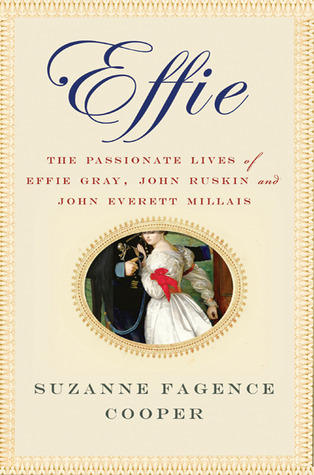
Effie PDF - John Gray
John Gray • literature • 330 Pages
(0)
Quate
Review
Save
Share
Book Description
Effie by John Gray: A Richly Human Story of Love, Reputation, and Inner Freedom
Effie by John Gray is a compelling historical and emotional portrait of a woman whose life stands at the crossroads of love, art, social expectation, and personal courage. Centered on the figure of Effie Gray, the book draws readers into a world shaped by Victorian manners, public reputation, artistic ambition, and the private cost of living under the judgment of others. It is a book for readers who are interested in historical biography, Victorian society, women’s lives in the nineteenth century, and stories where personal feeling becomes inseparable from cultural history.
At the heart of Effie is the tension between appearance and truth. Effie enters a world in which marriage, respectability, and social position are treated as fixed measures of a woman’s worth, yet her own experience reveals how fragile and painful those measures can be. The book explores the emotional reality behind a famous Victorian story, showing how a young woman’s private suffering became connected to larger questions of gender, desire, artistic inspiration, and moral authority. Rather than presenting history as a distant sequence of dates and events, John Gray gives the subject a sense of intimacy, allowing readers to feel the pressures surrounding Effie’s choices and the difficult path toward self-possession.
A Story Set Against the Beauty and Pressure of the Victorian Age
The Victorian world of Effie is one of drawing rooms, letters, reputations, family expectations, and carefully controlled public behavior. It is also a world of restless creativity, where art and criticism hold immense cultural power. Effie’s story unfolds in relation to figures connected with the Pre-Raphaelite circle and the artistic debates of the nineteenth century, making the book especially engaging for readers drawn to Victorian art history, Pre-Raphaelite painting, and the lives behind famous cultural movements.
What makes the book especially absorbing is the way it connects emotional life with social history. Effie’s experiences are not treated merely as romantic drama; they reveal the consequences of a society that often gave women little room to define their own happiness. Her position as wife, muse, social figure, and individual woman creates a layered narrative about identity and constraint. Readers who enjoy books about hidden lives behind public reputations will find in Effie a thoughtful exploration of how private pain can exist beneath elegance, beauty, and social approval.
Themes of Marriage, Silence, and Personal Courage
One of the strongest themes in Effie is the silence that surrounds unhappy relationships, especially in societies where reputation matters more than emotional truth. The book examines marriage not simply as a romantic bond, but as a social institution shaped by family, religion, class, law, and public opinion. Effie’s story invites readers to consider what happens when a woman is expected to endure discomfort quietly and when her desire for honesty becomes an act of courage.
The emotional force of the book comes from its attention to the cost of speaking the truth. Effie’s struggle is not presented as simple rebellion, but as a deeply human effort to be seen, heard, and respected. This makes the book valuable for readers searching for books about women’s independence, Victorian marriage, female agency, and the long history of women negotiating personal freedom within restrictive social worlds. Through Effie’s life, John Gray presents a story that feels historically specific yet emotionally recognizable.
Art, Inspiration, and the Woman Behind the Image
Effie also speaks powerfully to readers interested in the relationship between art and real life. In the Victorian imagination, women were often idealized as symbols of beauty, virtue, or inspiration, yet the real women behind those images had desires, fears, intelligence, and limits of their own. This book looks beyond the surface of artistic admiration to ask what it means to be observed, represented, and interpreted by others.
Effie’s connection to the artistic world gives the narrative a visual richness. The atmosphere of portraiture, artistic ambition, and aesthetic debate adds depth to the story, while also emphasizing a central question: who has the power to define a woman’s image? For readers of art biography, cultural history, and literary nonfiction, Effie offers a rewarding blend of personal narrative and historical context. It is not only about the people who created art, but also about the people whose lives became part of art’s emotional and symbolic language.
A Reading Experience Full of Atmosphere and Emotional Detail
The appeal of Effie lies in its balance of elegance and emotional intensity. The book has the atmosphere of a Victorian drama, but its deeper value comes from the way it treats its central figure as more than a subject of scandal or romance. Effie is presented as a woman caught in circumstances that test her endurance, judgment, and sense of self. The result is a reading experience that is intimate, thoughtful, and quietly powerful.
Readers who enjoy historical stories based on real lives will appreciate the book’s attention to character, setting, and emotional consequence. It offers the pleasure of entering a richly detailed past while also raising questions that remain relevant: how much should a person sacrifice for respectability, what does emotional honesty require, and how can someone reclaim a life shaped by other people’s expectations? These questions give Effie by John Gray a lasting resonance beyond its historical setting.
Who Should Read Effie?
Effie is an excellent choice for readers who enjoy books about Victorian women, historical relationships, artistic circles, and the private lives behind famous public names. It will appeal to those who like biography with emotional depth, history with a strong human center, and narratives that explore love without reducing it to sentimentality. The book is also well suited to readers interested in the social position of women, the moral codes of the nineteenth century, and the intersection of personal life with art and culture.
For fans of Victorian history, Pre-Raphaelite art, women’s biography, and literary historical nonfiction, this book offers a story that is both intimate and culturally significant. It provides enough historical texture to satisfy readers looking for context, while remaining focused on the emotional journey that makes Effie’s life so memorable. The result is a book that can be read as biography, social history, and a moving study of personal resilience.
Why Effie Remains a Compelling Book
The lasting power of Effie comes from its attention to a woman whose life was shaped by forces larger than herself but not entirely defined by them. Her story touches on love, shame, longing, public judgment, artistic beauty, and the courage required to step away from a life that cannot be lived honestly. In doing so, the book gives readers more than a historical account; it offers a portrait of a person searching for dignity in a world determined to interpret her from the outside.
Effie by John Gray is a thoughtful and engaging book for anyone drawn to richly layered historical narratives. It brings together the emotional intimacy of personal biography with the broader fascination of Victorian culture, making it a meaningful read for those who want history to feel alive, complex, and deeply human. Through Effie’s story, the book reminds readers that behind every famous scandal or cultural legend there is often a quieter, more powerful story of endurance, choice, and the struggle to be truly known.
John Gray
John Gray is an American author, relationship counselor, and public speaker best known for the influential relationship book Men Are from Mars, Women Are from Venus. His work has become closely associated with popular psychology, communication advice, emotional understanding, and practical guidance for couples seeking healthier and more compassionate relationships. Gray’s writing style is accessible, direct, and highly practical, which helped his books reach a wide audience beyond academic readers and professional therapists. Rather than presenting relationships as abstract theories, he explains everyday emotional conflicts through familiar situations: one partner wants to talk while the other withdraws, one person offers advice when the other wants empathy, or both partners feel unloved because they express care in different ways. This ability to turn common misunderstandings into simple, memorable frameworks is one of the main reasons John Gray became a recognizable name in self-help and relationship literature.
John Gray gained international fame after the publication of Men Are from Mars, Women Are from Venus in 1992. The book uses the metaphor of men and women coming from different planets to describe how partners may interpret love, stress, intimacy, silence, and support in different ways. Its central message is not that relationships are doomed by difference, but that difference can be understood, respected, and managed through better communication. Gray argues that many conflicts arise not from lack of affection, but from mismatched expectations. One partner may think support means giving solutions, while the other may need listening and emotional validation. One may need private time to recover from stress, while the other may interpret distance as rejection. By naming these patterns in plain language, Gray gave readers a vocabulary for discussing emotional needs without turning every disagreement into blame.
Beyond his most famous title, John Gray has written many books that expand the Mars and Venus approach into dating, marriage, intimacy, parenting, health, and personal growth. Works such as Mars and Venus in the Bedroom, Mars and Venus on a Date, and Children Are from Heaven show his interest in applying relationship principles across different stages of life. His books often emphasize patience, appreciation, emotional timing, and the importance of understanding how people respond to stress. He encourages readers to notice recurring patterns in conversation, to avoid assuming bad intentions, and to communicate needs in a way that invites cooperation rather than defensiveness. These themes made his books especially useful for readers looking for relationship advice that feels concrete rather than abstract.
The global popularity of John Gray’s writing reflects the universal appeal of his subject matter. Love, conflict, attraction, disappointment, and reconciliation are experiences shared across cultures, even when customs and family expectations differ. His books have been translated into numerous languages and have reached readers in many countries, making him one of the most commercially successful relationship authors of the modern era. At the same time, his work has also attracted criticism from readers and scholars who believe that some of his descriptions of gender differences can be too broad or simplified. This debate is part of his wider cultural impact: Gray’s ideas became so familiar that they shaped conversations about relationships far beyond the pages of his books. Whether readers fully agree with his framework or approach it critically, John Gray remains an important figure in the history of self-help writing, known for bringing relationship communication into mainstream discussion and for encouraging couples to replace accusation with curiosity, patience, and mutual understanding.
Earn Rewards While Reading!
Every 10 pages you read and spent 30 seconds on every page, earns you 5 reward points! Keep reading to unlock achievements and exclusive benefits.
Read
Rate Now
5 Stars
4 Stars
3 Stars
2 Stars
1 Stars
Effie Quotes
Top Rated
Latest
Quate
Be the first to leave a quote and earn 10 points
instead of 3
Other books by John Gray
'%20/%3e%3c/svg%3e "Mars and Venus in the Bedroom : A Guide to Lasting Romance and Passion")
John Gray.
Human Development
(0)
4800
English
Other books like Effie
3631
English
Comments
Be the first to leave a comment and earn 5 points
instead of 3