

The source of the book
This book is published for the public benefit under a Creative Commons license, or with the permission of the author or publisher. If you have any objections to its publication, please contact us.
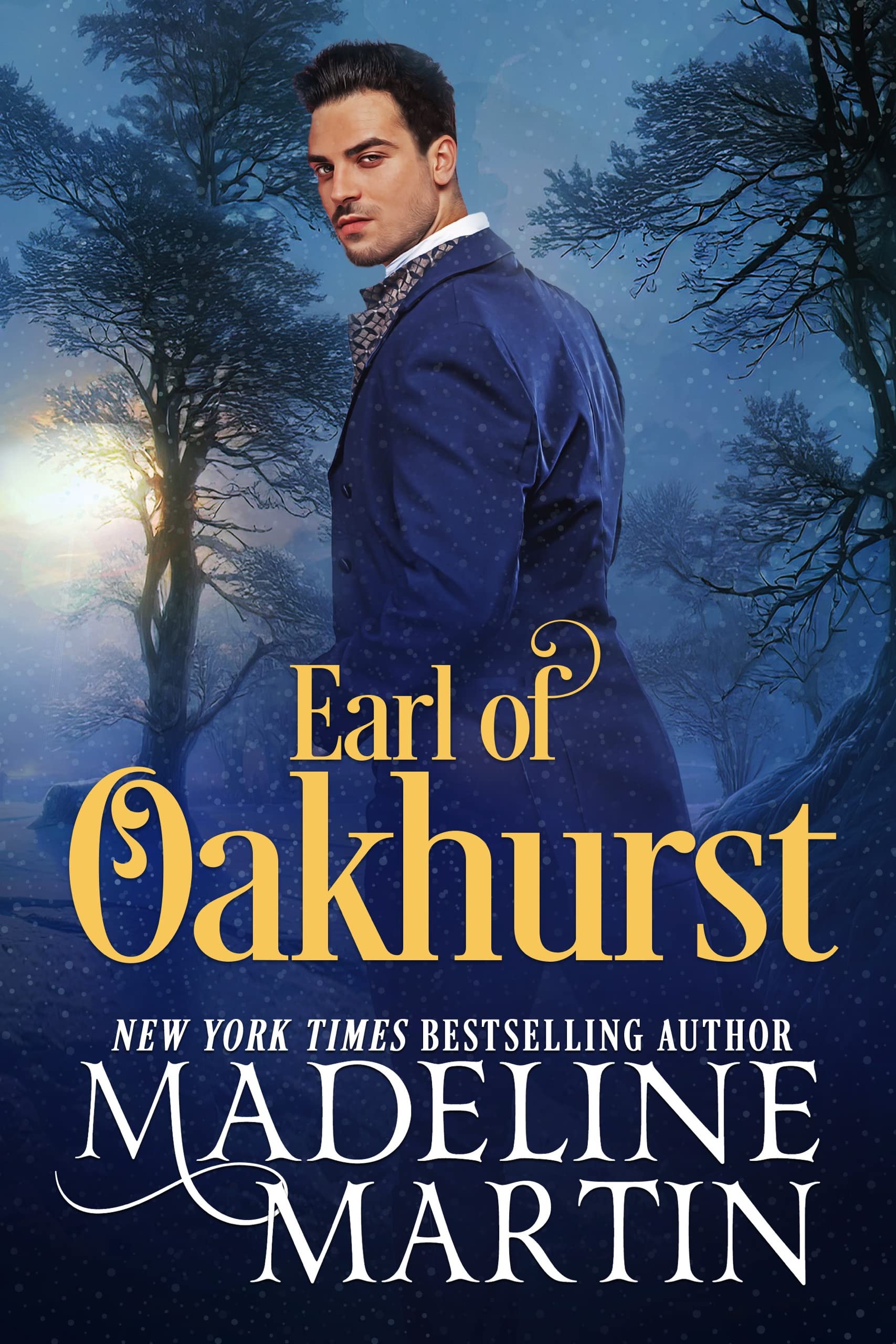
Earl of Oakhurst PDF - Madeline Martin
Madeline Martin • romantic novels • 150 Pages
(0)
Quate
Review
Save
Share
Book Description
Madeline Martin is an American author of historical fiction and historical romance, known for emotionally engaging stories that combine vivid period detail, strong heroines, romantic tension, and themes of courage, independence, and personal transformation. She is described by major booksellers as a New York Times, USA Today, and internationally bestselling author, and her work includes both sweeping historical novels and shorter historical romance titles connected to popular shared-world series. (Amazon)
Earl of Oakhurst: Wicked Earls Club
Earl of Oakhurst: Wicked Earls Club by Madeline Martin is a Regency historical romance centered on James MacKenzie, a man who unexpectedly becomes the Earl of Oakhurst after circumstances place a title on his shoulders that he neither sought nor desired. Summoned to London by his only living relative, the Dowager Countess of Oakhurst, James is expected to learn the responsibilities of his new position, including the socially urgent matter of choosing a bride. What begins as a reluctant journey into aristocratic duty soon becomes more complicated when he discovers that his grandmother is ill and stubbornly resistant to help. Lady Penelope Keats, an unmarried woman with a serious interest in medical knowledge and charitable service, becomes involved in caring for the dowager countess, drawing James into an unexpected alliance with a woman who has very little interest in becoming anyone’s conventional wife. (Madeline Martin)
The novel’s romantic premise is built around two characters who are pressured by society but unwilling to surrender their independence easily. Lady Penelope once had a promising social season, yet she has chosen to remain unmarried and devote her time to helping others, particularly through her interest in medicine and service at St. Thomas’s Hospital. James, meanwhile, must navigate a title, family expectations, and the burden of an inherited role that changes how others see him. Their shared reluctance toward marriage gives the story its central emotional spark: both recognize that an arrangement could protect them from unwanted matchmaking, but a practical agreement becomes increasingly difficult to keep separate from attraction, respect, and genuine feeling. (Madeline Martin)
As part of the Wicked Earls Club world and the Matchmaker of Mayfair series, Earl of Oakhurst offers many of the elements readers expect from a compact Regency romance: aristocratic obligations, family pressure, a marriage-of-convenience setup, social reputation, emotional restraint, and a gradual shift from convenience to passion. The book is listed as book five in the Matchmaker of Mayfair series on reader and author catalogues, while other catalogues also identify it within the broader Wicked Earls Club collection. (Goodreads)
The appeal of Earl of Oakhurst lies in its balance of tenderness, independence, and romantic conflict. Penelope is not written as a passive debutante waiting to be chosen; she is a woman with purpose, intelligence, and a desire to be useful beyond the expectations of marriage-minded society. James is not merely a titled hero but a reluctant earl trying to understand duty, family, and desire at the same time. Their relationship grows from mutual practicality into emotional vulnerability, giving the novel the satisfying rhythm of a historical romance in which love becomes possible only after both characters are seen clearly.
For readers who enjoy Regency romance with a capable heroine, a reluctant nobleman, a marriage-of-convenience storyline, and a blend of social pressure and heartfelt attraction, Earl of Oakhurst is a fitting choice. It is especially suitable for fans of short historical romances, interconnected series, noble family drama, and stories where two people who claim not to want love gradually discover that companionship, trust, and passion can change the future they thought they had already chosen.
Madeline Martin
Madeline Martin is an American author of historical fiction and historical romance whose work is widely recognized for its emotional warmth, careful historical atmosphere, and strong focus on women who discover courage through books, friendship, resistance, and personal reinvention. She is best known to many contemporary readers for novels that place literature itself at the center of the story, including The Last Bookshop in London, The Librarian Spy, The Keeper of Hidden Books, The Booklover’s Library, and The Secret Book Society. Across these works, Martin repeatedly returns to the idea that books can become shelter, weapon, map, memory, and quiet rebellion. Her heroines often live in times when the world around them is unstable or restrictive: wartime London under bombardment, occupied Europe under censorship and danger, communities where women’s choices are controlled, or societies in which reading can become an act of independence. Rather than treating history as a decorative backdrop, Martin uses historical settings to ask intimate questions about identity, loyalty, fear, love, moral choice, and the endurance of hope. Her fiction is especially appealing to readers of book-club fiction, women’s historical fiction, World War Two novels, library-centered stories, and emotionally rich narratives about ordinary people facing extraordinary pressure. In The Last Bookshop in London, she portrays a young woman whose work in a bookshop becomes a lifeline during the Blitz, showing how stories can sustain a community when daily life is shadowed by loss. In The Librarian Spy, she connects librarianship, intelligence work, and resistance, emphasizing the power of information and the courage of women whose contributions to history are often quiet but essential. In The Keeper of Hidden Books, she explores banned literature, occupied Poland, and the danger of preserving truth when regimes try to control what people read and remember. The Booklover’s Library highlights themes of motherhood, work, dignity, and the solace of reading, while The Secret Book Society moves into Victorian London to examine forbidden reading, female friendship, secrecy, and the desire for freedom in a world that polices women’s voices. Martin’s earlier and continuing work in historical romance also shapes her storytelling. Her romance novels often include high emotional stakes, vivid settings, bold heroines, and relationships built through conflict, trust, and transformation. That background gives her historical fiction a strong sense of character chemistry and emotional momentum without weakening its larger interest in history and social conditions. Martin grew up in a military family and spent much of her childhood in Germany, an experience that helped deepen her fascination with the past, travel, place, and the ways history lives inside personal memory. She has also spoken about writing for many years before becoming a full-time author, after a long career in corporate life, which adds to the persistence and discipline visible in her publishing journey. Her books have reached an international audience and have been translated into many languages, making her a notable voice for readers who enjoy accessible but thoughtful historical storytelling. Martin’s style is clear, immersive, and compassionate. She favors heroines who may begin uncertain, frightened, or socially constrained but who gradually learn to act with conviction. She writes danger and grief with seriousness, yet her novels usually carry an undercurrent of hope: the belief that reading can preserve humanity, that friendship can change the course of a life, and that women’s stories deserve to be remembered. For author pages, bookstore descriptions, and reader-focused websites, Madeline Martin can be described as a bestselling historical novelist whose work celebrates the courage of women, the resilience of communities, and the enduring power of books in the darkest chapters of history.
Earn Rewards While Reading!
Every 10 pages you read and spent 30 seconds on every page, earns you 5 reward points! Keep reading to unlock achievements and exclusive benefits.
Read
Rate Now
5 Stars
4 Stars
3 Stars
2 Stars
1 Stars
Earl of Oakhurst Quotes
Top Rated
Latest
Quate
Be the first to leave a quote and earn 10 points
instead of 3
Other books by Madeline Martin
'%20/%3e%3c/svg%3e "The Keeper of Hidden Books")
Madeline Martin.
Historical novels
(0)
87
English
Comments
Be the first to leave a comment and earn 5 points
instead of 3