

The source of the book
This book is published for the public benefit under a Creative Commons license, or with the permission of the author or publisher. If you have any objections to its publication, please contact us.
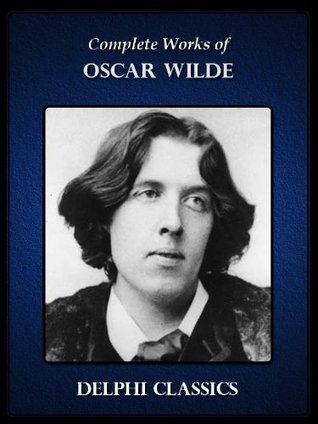
Complete Works of Oscar Wilde PDF - Oscar Wilde
Oscar Wilde • literature • 3,078 Pages
(0)
Quate
Review
Save
Share
Book Description
The Complete Works of Oscar Wilde brings together the full literary genius of Oscar Wilde in a single, comprehensive collection that showcases his unmatched wit, sharp social criticism, and timeless storytelling. This collection gathers his most influential plays, celebrated novel, essays, poems, and shorter writings, offering readers a complete journey through one of the most distinctive voices in English literature. For readers searching for classic literature, Victorian-era satire, or enduring philosophical reflections on art and society, this compilation stands as an essential literary treasure.
Wilde’s writing is instantly recognizable for its elegance, irony, and intellectual brilliance. Across this complete works edition, readers encounter the full spectrum of his creativity—from dazzling comedy to dark moral exploration. Whether it is the sparkling dialogue of his stage plays or the haunting moral depth of his only novel, Wilde’s work continues to resonate with modern audiences who appreciate literature that is both entertaining and deeply thought-provoking.
A Master Collection of Timeless Literary Works
At the heart of this collection is Wilde’s celebrated novel The Picture of Dorian Gray, a profound exploration of aestheticism, vanity, and moral decay. This philosophical novel remains one of the most analyzed works in English literature, blending gothic atmosphere with psychological depth. Its themes of eternal youth and hidden corruption continue to feel relevant in contemporary discussions about identity, image, and desire.
The collection also features Wilde’s iconic plays, including the beloved social comedy The Importance of Being Earnest. This play is widely regarded as one of the greatest comedic works ever written, celebrated for its brilliant use of language, paradoxical humor, and critique of Victorian social norms. Through clever dialogue and absurd situations, Wilde exposes the superficiality of societal expectations while entertaining readers with unforgettable wit.
In addition to his most famous works, the Complete Works includes a wide range of essays, fairy tales, and lesser-known writings that reveal Wilde’s versatility. His fairy tales, such as “The Happy Prince” and “The Selfish Giant,” demonstrate a more emotional and moral dimension to his writing, often focusing on compassion, sacrifice, and human goodness. These stories contrast beautifully with his satirical works, showing the full emotional and philosophical range of his literary voice.
Themes of Beauty, Society, and Individual Freedom
One of the most compelling reasons readers continue to explore the Complete Works of Oscar Wilde is the richness of its themes. Wilde consistently challenges societal conventions, particularly those surrounding morality, class structure, and personal identity. His works often question whether society’s rules truly reflect human nature or merely restrict individuality and self-expression.
A central idea throughout Wilde’s writing is aestheticism—the belief that beauty and art exist for their own sake. This philosophy is most clearly expressed in The Picture of Dorian Gray, where the pursuit of beauty becomes both a blessing and a curse. Wilde’s exploration of this concept encourages readers to reflect on the relationship between appearance and morality, and how obsession with external beauty can lead to inner decay.
At the same time, Wilde’s comedic works such as The Importance of Being Earnest use humor to critique rigid social structures. Marriage, identity, reputation, and class are all treated with playful irony, revealing how arbitrary and performative social expectations can be. His sharp dialogue and memorable characters turn these critiques into entertainment, making his ideas accessible and enduring.
A Blend of Wit, Satire, and Emotional Depth
The Complete Works of Oscar Wilde is not only intellectually stimulating but also highly entertaining. Wilde’s mastery of language allows him to move effortlessly between biting satire and heartfelt emotion. His dialogue is often quoted for its cleverness and philosophical insight, while his storytelling reveals a deep understanding of human nature.
In his essays, Wilde explores art, culture, and society with a bold and often provocative voice. He challenges traditional moral thinking and encourages readers to reconsider the purpose of art and the role of the artist. These essays remain influential in discussions of literary theory and cultural criticism, especially in modern interpretations of aestheticism and modernism.
His fairy tales add another dimension to the collection, offering emotional depth and moral lessons wrapped in simple yet powerful storytelling. Unlike his satirical works, these stories often focus on empathy, sacrifice, and the struggles of the human heart. This balance between irony and sincerity is part of what makes Wilde’s complete works so compelling and multidimensional.
Why Readers Continue to Value Oscar Wilde Today
The enduring popularity of the Complete Works of Oscar Wilde lies in its timeless relevance. Modern readers continue to find meaning in his observations about identity, society, and human behavior. His critique of superficial values feels especially relevant in today’s image-driven world, while his celebration of individuality continues to inspire readers who value creative freedom and self-expression.
Students, literary scholars, and casual readers alike are drawn to Wilde’s ability to combine entertainment with intellectual depth. His works are frequently studied in literature courses, adapted into stage and screen productions, and quoted in cultural commentary. The accessibility of his humor ensures that even complex philosophical ideas are engaging and enjoyable.
For those new to classic literature, this complete collection serves as an ideal entry point. Wilde’s writing is approachable yet profound, offering immediate enjoyment while rewarding deeper analysis. Whether read for academic study or personal pleasure, his works provide lasting insight into both Victorian society and universal human experience.
The Legacy of Oscar Wilde’s Literary Genius
The Complete Works of Oscar Wilde stands as a powerful testament to the enduring legacy of one of literature’s most iconic figures. His influence extends far beyond his lifetime, shaping modern drama, comedy, and literary criticism. Writers, playwrights, and artists continue to draw inspiration from his fearless exploration of beauty, identity, and truth.
Through this collection, readers can fully appreciate the range of Wilde’s talent—from sharp social satire to emotional storytelling and philosophical reflection. His voice remains as fresh and provocative today as it was in the Victorian era, proving that great literature transcends time and cultural boundaries.
For anyone seeking a rich and rewarding literary experience, the Complete Works of Oscar Wilde offers not just a collection of texts, but a journey into the mind of a writer who transformed English literature with wit, courage, and imagination.
Oscar Wilde
Oscar Wilde (1854-1900) was an Irish playwright, poet, and novelist who is widely regarded as one of the greatest writers of the Victorian era. He was born in Dublin, Ireland, and educated at Trinity College, Dublin, and Magdalen College, Oxford. Wilde was a flamboyant figure in Victorian society, known for his wit, dandyism, and homosexuality, which was then considered a crime.
Wilde's literary career began in the 1880s, when he gained popularity with his comedic plays, including "Lady Windermere's Fan," "A Woman of No Importance," and "The Importance of Being Earnest." These plays were known for their clever wordplay, social commentary, and satirical portrayal of Victorian society.
In addition to his plays, Wilde also wrote novels, including "The Picture of Dorian Gray," which tells the story of a beautiful young man who makes a Faustian pact to remain young and beautiful while his portrait ages and becomes ugly. The novel caused controversy when it was first published in 1890 because of its decadent themes and homoerotic undertones.
Despite his literary success, Wilde's personal life was tumultuous. In 1895, he was convicted of homosexual acts and sentenced to two years of hard labor. The trial and subsequent imprisonment destroyed his reputation and health, and he died in Paris in 1900, at the age of 46.
Wilde's legacy lives on through his works, which continue to be celebrated for their wit, humor, and social commentary. His writing has influenced generations of writers, and his plays continue to be performed and adapted for film and television. Today, Wilde is remembered not only as a great writer, but also as a symbol of resistance against Victorian moralism and hypocrisy.
Earn Rewards While Reading!
Every 10 pages you read and spent 30 seconds on every page, earns you 5 reward points! Keep reading to unlock achievements and exclusive benefits.
Read
Rate Now
5 Stars
4 Stars
3 Stars
2 Stars
1 Stars
Complete Works of Oscar Wilde Quotes
Top Rated
Latest
Quate
Be the first to leave a quote and earn 10 points
instead of 3
Other books by Oscar Wilde
Other books like Complete Works of Oscar Wilde
'%20/%3e%3c/svg%3e "The Missionary Position: Mother Teresa in Theory and Practice")
3615
English
Comments
Be the first to leave a comment and earn 5 points
instead of 3