

The source of the book
This book is published for the public benefit under a Creative Commons license, or with the permission of the author or publisher. If you have any objections to its publication, please contact us.
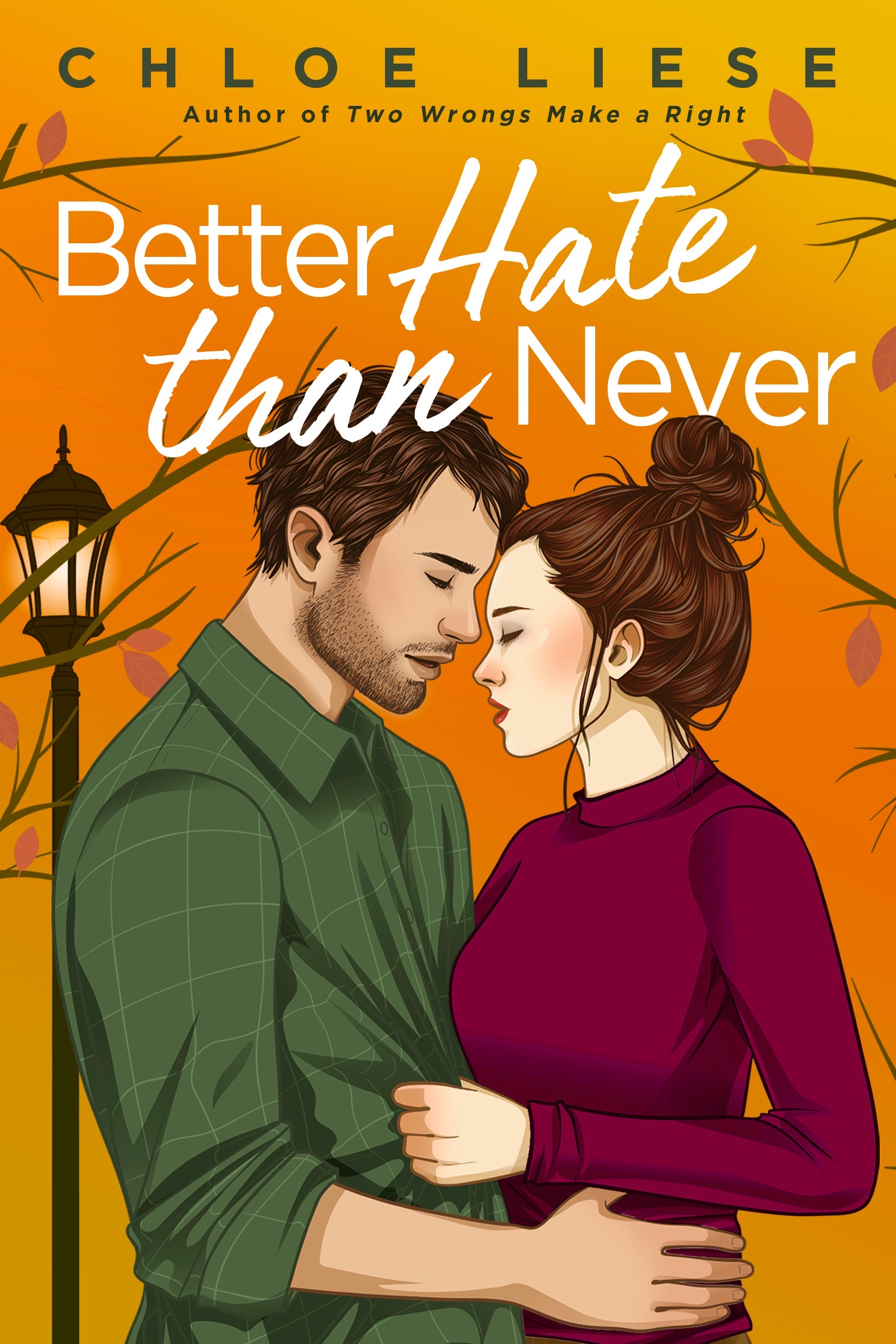
Better Hate than Never PDF - Chloe Liese
Chloe Liese • romantic novels • 413 Pages
(0)
Quate
Review
Save
Share
Book Description
Better Hate than Never by Chloe Liese is a warm, sharp, and emotionally layered contemporary romance that turns long-standing hostility into something far more vulnerable. The second book in The Wilmot Sisters series, it follows Katerina “Kate” Wilmot and Christopher Petruchio, two people who have known each other since childhood and have spent years perfecting the art of getting under each other’s skin. Inspired by Shakespeare’s The Taming of the Shrew, the novel reshapes a classic battle of wills into a modern hate-to-love romance about family, trust, longing, and the courage it takes to stop hiding behind anger.
A Modern Romance Built on Sparks, History, and Unspoken Feeling
At the heart of Better Hate than Never is the fiery connection between Kate and Christopher, childhood neighbors whose shared past has become tangled with misunderstanding, resentment, and attraction neither of them wants to admit. Kate has spent much of her adult life away from home, creating distance between herself and the family dynamics that make her feel both loved and misunderstood. Christopher, meanwhile, has remained close to the Wilmots, becoming almost part of the family and carrying his own complicated feelings about home, stability, and belonging.
When Kate returns, the familiar tension between them rises immediately. Their conversations are full of bite, their arguments feel almost instinctive, and everyone around them can see that their hostility is charged with something deeper. What makes the story compelling is not simply that two enemies might fall in love, but that their conflict has roots in insecurity, grief, longing, and the painful assumption that the other person has always chosen rejection. Chloe Liese uses the enemies-to-lovers trope not just for banter and romantic heat, but as a way to explore how people protect themselves when they fear they are too difficult to love.
Katerina Wilmot and Christopher Petruchio
Kate is a heroine with movement in her soul. She is independent, intense, restless, and emotionally guarded, drawn to a life beyond familiar walls even when part of her still aches to be fully understood by the people closest to her. Her return home does not feel simple, because home is not only comfort; it is also memory, expectation, and the uncomfortable awareness of old wounds. Through Kate, the novel gives readers a heroine who is not softened by removing her edges, but by allowing those edges to be seen with compassion.
Christopher is a strong match for her because he is not merely the charming man next door. His history with the Wilmot family, his attachment to the idea of home, and his complicated response to Kate’s distance give him emotional weight beyond the usual romantic lead. He can be frustrating, tender, defensive, thoughtful, and deeply affected by the woman he claims to oppose. As the story develops, his desire to make peace with Kate becomes more than a romantic gesture; it becomes a challenge to confront how much of their rivalry has been shaped by fear, pride, and years of misreading each other.
A Shakespeare-Inspired Love Story with a Contemporary Voice
Readers searching for a Shakespeare retelling romance will find that Better Hate than Never uses its inspiration in a playful but modern way. The connection to The Taming of the Shrew appears through character names, emotional tension, witty opposition, and the classic idea of two strong personalities clashing until their deeper compatibility becomes impossible to ignore. Yet Chloe Liese does not simply repeat the old story. Instead, she reimagines its central conflict for contemporary romance readers who want mutual respect, emotional growth, and a relationship built on understanding rather than conquest.
The result is a romantic comedy with emotional depth, blending family-centered scenes, sharp dialogue, slow-burn attraction, and moments of sincere vulnerability. The novel also carries echoes that may appeal to fans of modern Shakespeare-inspired stories and movies built around sparring lovers, but it stands on its own as a tender romance about two adults learning to revise the stories they have told themselves for years.
Themes of Family, Belonging, and Emotional Risk
One of the strongest elements of Better Hate than Never is its attention to family. The Wilmot household is not just background scenery; it shapes the emotional stakes of the romance. Kate’s relationship with her family, Christopher’s place within that family, and the way loved ones can both support and misunderstand one another all give the novel a fuller texture. For readers who enjoy family-centered contemporary romance, this book offers more than flirtation and conflict. It shows how love can exist alongside miscommunication, how closeness can feel overwhelming, and how returning home can force a person to face the parts of themselves they have avoided.
The title itself captures the emotional question at the center of the book: is it safer to keep hating someone than to risk admitting how much they matter? Kate and Christopher’s hostility becomes a shield, and the romance unfolds as that shield begins to crack. Their journey is about discovering whether old pain can be reinterpreted, whether attraction can survive honesty, and whether love is possible when both people are afraid of being the one who cares more.
Representation, Tenderness, and Chloe Liese’s Signature Style
Chloe Liese is known for writing romance that combines warmth, humor, inclusivity, and emotional care, and Better Hate than Never reflects that style. The book includes thoughtful attention to experiences such as ADHD and chronic health challenges, elements that help shape the characters’ lives without reducing them to labels. Review coverage has also noted the novel’s compassionate handling of neurodivergence, disability, and the realities of living with chronic conditions within a romantic story.
This sensitivity gives the romance a grounded feeling. The love story is not only about grand declarations or irresistible chemistry; it is also about learning another person’s rhythms, needs, fears, and ways of moving through the world. Liese’s approach makes the emotional intimacy feel as important as the physical attraction. Readers who appreciate romance novels where characters are seen fully, including their vulnerabilities and everyday struggles, will find that this book offers both comfort and complexity.
Who Will Enjoy Better Hate than Never?
Better Hate than Never is a strong choice for readers who enjoy enemies-to-lovers romance, childhood enemies to lovers, slow-burn romantic tension, and stories where witty arguments hide years of unspoken feeling. It will especially appeal to fans of contemporary romance with strong family dynamics, emotionally intelligent character development, and a balance of humor and tenderness. Readers who like romance novels with Shakespearean inspiration, modern retellings, complicated heroines, devoted but imperfect heroes, and plenty of banter will find much to enjoy in Kate and Christopher’s story.
Although it is the second book in The Wilmot Sisters series, the romance focuses closely on Kate and Christopher, making it appealing for readers interested in connected romance worlds where each couple has its own emotional arc. Those who have read Two Wrongs Make a Right will enjoy returning to the Wilmot family, while new readers can still be drawn in by the central conflict, the lively cast, and the clear emotional stakes of this particular relationship.
A Romantic Story About Letting Love Replace Assumption
What makes Better Hate than Never memorable is the way it treats hatred not as the opposite of love, but as a complicated mask for hurt, attraction, and fear. Kate and Christopher do not move from enemies to lovers because their differences disappear. They move closer because they begin to understand what those differences mean, where their assumptions came from, and how much tenderness has been hidden beneath the fighting. Their romance is heated, funny, vulnerable, and full of the kind of emotional friction that makes a love story feel earned.
For readers looking for a Chloe Liese romance that combines banter, heart, family bonds, modern Shakespeare inspiration, and inclusive character writing, Better Hate than Never offers a satisfying blend of charm and depth. It is a story about coming home, being truly seen, and discovering that the person who has always known how to provoke you might also be the person who understands your heart in ways you never expected.
Chloe Liese
Chloe Liese is a contemporary American romance author known for writing inclusive, emotionally generous love stories built around the belief that everyone deserves a love story. Her fiction has become especially popular among readers who want romantic comedy with warmth, wit, family texture, and meaningful representation rather than formula alone. Liese is widely associated with the Bergman Brothers series, a set of interconnected stand-alone contemporary romances about a Swedish-American family whose members find love while navigating ambition, disability, grief, marriage, friendship, rivalry, professional dreams, and the vulnerable work of being truly known. Titles such as Only When It’s Us, Always Only You, Ever After Always, With You Forever, Everything for You, If Only You, and Only and Forever helped establish her as a distinctive voice in modern romance, particularly because her characters often include neurodivergent people, autistic people, people with chronic illness, athletes, caregivers, and adults learning to name their needs without apology. She is also the author of the Wilmot Sisters novels, including Two Wrongs Make a Right, Better Hate Than Never, and Once Smitten, Twice Shy, a series that plays with beloved romantic-comedy and literary-retelling traditions while keeping a contemporary focus on consent, emotional safety, chosen family, humor, and personal growth. Liese’s work is frequently described through its combination of heat, heart, and humor, but its lasting appeal comes from the way she treats romance as a space where tenderness and honesty matter as much as chemistry. Her couples are rarely perfect matches on the surface; they are often guarded, misunderstood, exhausted, ambitious, grieving, or afraid of being too much. Through careful dialogue and intimate point of view, she allows them to become visible to one another and to the reader. Her books also stand out for their attention to the body and mind, showing that disability, autism, anxiety, sensory difference, pain, and emotional complexity do not disqualify anyone from desire, joy, partnership, or a satisfying happily-ever-after. This commitment to representation has made Liese a meaningful author for readers looking for romance novels that feel both comforting and affirming. Beyond her series work, her novella The Mistletoe Motive and her later stand-alone novel Happy Ending show her ability to use familiar tropes—forced proximity, friends to lovers, fake dating, holiday romance, second chances, and unlikely partnership—in ways that feel emotionally specific rather than generic. As a USA TODAY bestselling author, Chloe Liese occupies an important place in the current landscape of commercial romance: she writes accessible, entertaining books that also broaden the genre’s sense of who gets to be loved on the page. Her storytelling is ideal for readers searching for heartfelt contemporary romance, neurodivergent romance, inclusive romantic comedy, family-centered series, and character-driven love stories where laughter, longing, healing, and hope meet.
Earn Rewards While Reading!
Every 10 pages you read and spent 30 seconds on every page, earns you 5 reward points! Keep reading to unlock achievements and exclusive benefits.
Read
Rate Now
5 Stars
4 Stars
3 Stars
2 Stars
1 Stars
Better Hate than Never Quotes
Top Rated
Latest
Quate
Be the first to leave a quote and earn 10 points
instead of 3
'%20/%3e%3c/svg%3e "Only When It's Us")
Comments
Be the first to leave a comment and earn 5 points
instead of 3