

The source of the book
This book is published for the public benefit under a Creative Commons license, or with the permission of the author or publisher. If you have any objections to its publication, please contact us.
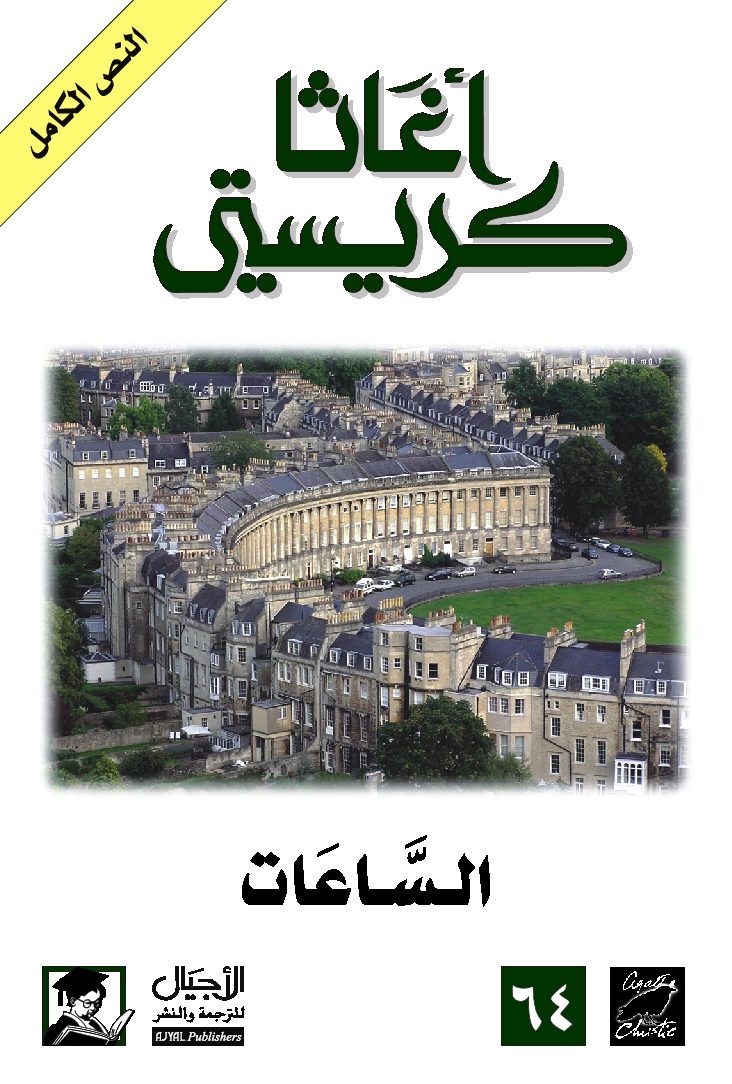
الساعات PDF - Agatha Christie
Agatha Christie • Crime novels and mysteries • 338 Pages
(0)
Quate
Review
Save
Share
Book Description
رواية «الساعات» للكاتبة البريطانية Agatha Christie، المعروفة عربيًا باسم أجاثا كريستي، هي رواية بوليسية صدرت لأول مرة عام 1963 عن دار Collins Crime Club في المملكة المتحدة، ثم نُشرت في الولايات المتحدة عن Dodd, Mead and Company. تحمل الرواية في أصلها الإنجليزي عنوان The Clocks، وهي من الأعمال التي تجمع بين لغز الجريمة الكلاسيكي وأجواء التجسس التي ظهرت في بعض روايات كريستي المتأخرة. وتتميّز «الساعات» بحضور المحقق البلجيكي الشهير هرقل بوارو، لكن ظهوره هنا ليس تقليديًا؛ إذ لا ينتقل منذ البداية إلى مسرح الجريمة، بل يشارك في حل اللغز من خلال التحليل العقلي والاستنتاج، اعتمادًا على ما يُنقل إليه من وقائع وشهادات.
تدور أحداث رواية «الساعات» حول جريمة غامضة تقع في منزل عادي في شارع هادئ، حين تُستدعى السكرتيرة الشابة شيلا ويب إلى منزل امرأة عمياء تُدعى الآنسة بيبلز، لتجد نفسها أمام مشهد صادم: رجل مقتول داخل غرفة الجلوس، وحوله مجموعة من الساعات الغريبة التي لا يبدو وجودها منطقيًا. ما يزيد اللغز تعقيدًا أن صاحبة المنزل تنفي أنها طلبت حضور شيلا، كما تنكر أي معرفة بالقتيل أو بالساعات الموضوعة في الغرفة. تبدأ الشرطة تحقيقًا رسميًا، لكن كل تفصيلة تبدو وكأنها وُضعت عمدًا لإرباك المحققين ودفعهم نحو استنتاجات خاطئة.
يدخل كولن لام، وهو شاب يعمل في مجال له صلة بالاستخبارات، إلى القصة عندما يصادف شيلا وهي تخرج مذعورة من المنزل. يصبح كولن شاهدًا مهمًا، ثم ينخرط في محاولة فهم ما حدث، خصوصًا أن وجوده في المنطقة لم يكن مصادفة تمامًا؛ فهو يتابع قضية أخرى تتعلق بشبكة تجسس محتملة. من هنا تمزج أجاثا كريستي في «الساعات» بين جريمة قتل محلية تبدو مغلقة ومؤامرة أوسع ذات طابع سياسي وأمني، من دون أن تفقد الرواية طابعها البوليسي القائم على الأدلة، التوقيت، الهوية، والدوافع الخفية.
تتوالى الأسئلة حول هوية الرجل المقتول: من هو؟ ولماذا وُجد في منزل لا يعرفه أحد فيه؟ ومن وضع الساعات في الغرفة؟ ولماذا ضُبطت كلها تقريبًا على توقيت واحد؟ كما تتسع دائرة الشك لتشمل الجيران وسكان الشارع، حيث تقدّم كريستي مجموعة من الشخصيات التي تبدو عادية في ظاهرها، لكنها تخفي أسرارًا أو تناقضات صغيرة. وكعادتها، تجعل الكاتبة التفاصيل اليومية البسيطة جزءًا من شبكة معقدة من الاحتمالات، فكل شهادة، وكل حركة، وكل ذكرى قد تكون مفتاحًا أو خدعة.
يلجأ كولن لام إلى هرقل بوارو، الذي يكون في هذه الرواية منشغلًا بالقراءة والتفكير في طبيعة الأدب البوليسي، لكنه يقبل التحدي من بعيد. لا يعتمد بوارو على المطاردات أو البحث الميداني، بل على ترتيب الوقائع وتمييز ما هو طبيعي مما هو مصطنع. يرى أن الجريمة لا تُحل فقط بمعرفة من كان حاضرًا، بل بفهم سبب ترتيب المسرح بهذه الطريقة الغريبة. ومن خلال منطقه الحاد، يبدأ في تفكيك الخطة التي صُممت لتبدو عبثية، كاشفًا أن الفوضى الظاهرة تخفي تنظيمًا شديد الدقة.
تُعد رواية «الساعات» من أعمال أجاثا كريستي التي تبرز اهتمامها بالخداع المسرحي داخل الجريمة؛ فالساعات ليست مجرد أشياء موضوعة في الغرفة، بل رموز لأهمية الزمن في كشف الحقيقة. كما تتناول الرواية فكرة الهوية المزيفة، والشهادات غير الموثوقة، واستغلال الأماكن العادية لإخفاء جرائم غير عادية. وعلى الرغم من أن الحبكة تتضمن جانبًا من عالم الجاسوسية، فإن جوهر العمل يبقى لغزًا بوليسيًا كلاسيكيًا يقوم على السؤال المركزي: من قتل الرجل المجهول، ولماذا؟
في النهاية، تكشف «الساعات» براعة أجاثا كريستي في بناء لغز يعتمد على التضليل الذكي بدل العنف أو الإثارة المباشرة. تقدم الرواية قراءة ممتعة لمحبي هرقل بوارو، ولمحبي الروايات التي تبدأ من مشهد غامض واحد ثم تتفرع إلى شبكة من الأسرار والعلاقات والدوافع. وبفضل أسلوبها المتوازن بين التشويق والتحليل، تظل «الساعات» عملًا لافتًا ضمن إرث أجاثا كريستي، حيث يتحول الوقت نفسه إلى دليل، وتصبح أكثر التفاصيل غرابة مدخلًا إلى الحقيقة.
Agatha Christie
Agatha Christie is one of the most influential authors in the history of detective fiction, a writer whose name has become almost synonymous with mystery, crime novels, elegant suspense, and the classic art of the carefully constructed puzzle. Born in England and later celebrated around the world, she built a literary career that transformed popular crime writing into a refined form of storytelling based on logic, psychology, timing, and narrative misdirection. Her novels and short stories are admired not only because they entertain, but also because they invite the reader to think, observe, compare clues, and question assumptions. Christie understood that the most effective mystery is not simply a question of who committed the crime, but a study of why people hide, lie, fear exposure, protect secrets, and behave differently under pressure. This combination of intellectual challenge and human insight made her work enduringly popular with readers of many cultures and generations.
Christie is best known for creating two of the most recognizable fictional detectives in world literature: Hercule Poirot and Miss Marple. Hercule Poirot, the meticulous Belgian detective, relies on order, method, and what he famously regards as the power of the mind. He is precise, observant, and often theatrical, yet beneath his distinctive manners lies a sharp understanding of motive and deception. Miss Marple, by contrast, appears gentle, quiet, and rooted in village life, but her understanding of human nature is formidable. She recognizes patterns of jealousy, greed, vanity, resentment, and fear because she has seen similar behavior in ordinary social life. Through these two figures, Christie explored different paths to truth: analytical reasoning on one hand and social observation on the other. Their lasting appeal shows how deeply she understood that detection is not only about evidence, but also about character.
Among Christie’s most famous works are Murder on the Orient Express, And Then There Were None, Death on the Nile, The Murder of Roger Ackroyd, The ABC Murders, and The Mysterious Affair at Styles. Each of these books demonstrates a different aspect of her craft. Murder on the Orient Express uses the enclosed space of a train to create tension, suspicion, and a memorable moral dilemma. And Then There Were None presents isolation, guilt, and fear with extraordinary control, turning a remote setting into a psychological trap. Death on the Nile combines travel, romance, jealousy, and murder in a way that shows Christie’s talent for atmosphere as well as structure. The Murder of Roger Ackroyd is often praised for its bold narrative method and its impact on the conventions of detective fiction. These works continue to attract new readers because they are not merely historical curiosities; they still function as gripping stories with strong pacing, memorable reveals, and carefully planted clues.
Agatha Christie’s style is often described as clear, economical, and highly readable, yet that apparent simplicity hides remarkable technical skill. She rarely wastes a detail. A casual remark, a small object, a shift in tone, or a minor inconsistency may later become essential to the solution. Her plots often depend on the reader looking in the wrong direction, but she usually plays fair by making the truth available before the final explanation. This fairness is one reason her books remain satisfying: the ending feels surprising, but not arbitrary. Christie also had a gift for creating social settings that appear orderly while concealing emotional violence. Country houses, trains, archaeological sites, hotels, boats, and quiet villages become stages on which hidden rivalries and buried histories emerge. Her knowledge of poisons, travel, domestic routines, and social manners helped her create mysteries that feel both theatrical and plausible.
The legacy of Agatha Christie extends far beyond the printed page. Her novels have been translated widely, adapted for stage, film, radio, and television, and continuously reintroduced to new audiences. Her play The Mousetrap became one of the most famous long-running theatrical works in the world, reinforcing her reputation as a master of suspense in dramatic form as well as prose. For book websites, libraries, and readers searching for classic mystery novels, Agatha Christie remains a central author because her work defines many of the expectations associated with detective fiction: the closed circle of suspects, the hidden motive, the unexpected witness, the misleading clue, the final gathering, and the brilliant explanation. Yet her importance is not limited to formula. She gave the mystery genre emotional texture, moral complexity, and a sense of elegant design. Agatha Christie continues to stand as a landmark figure in world literature, a writer whose stories prove that a well-made mystery can be both popular entertainment and a lasting work of narrative intelligence.
Earn Rewards While Reading!
Every 10 pages you read and spent 30 seconds on every page, earns you 5 reward points! Keep reading to unlock achievements and exclusive benefits.
Read
Rate Now
5 Stars
4 Stars
3 Stars
2 Stars
1 Stars
الساعات Quotes
Top Rated
Latest
Quate
Be the first to leave a quote and earn 10 points
instead of 3
'%20/%3e%3c/svg%3e "الموت المقنع")
Comments
Be the first to leave a comment and earn 5 points
instead of 3