

The source of the book
This book is published for the public benefit under a Creative Commons license, or with the permission of the author or publisher. If you have any objections to its publication, please contact us.
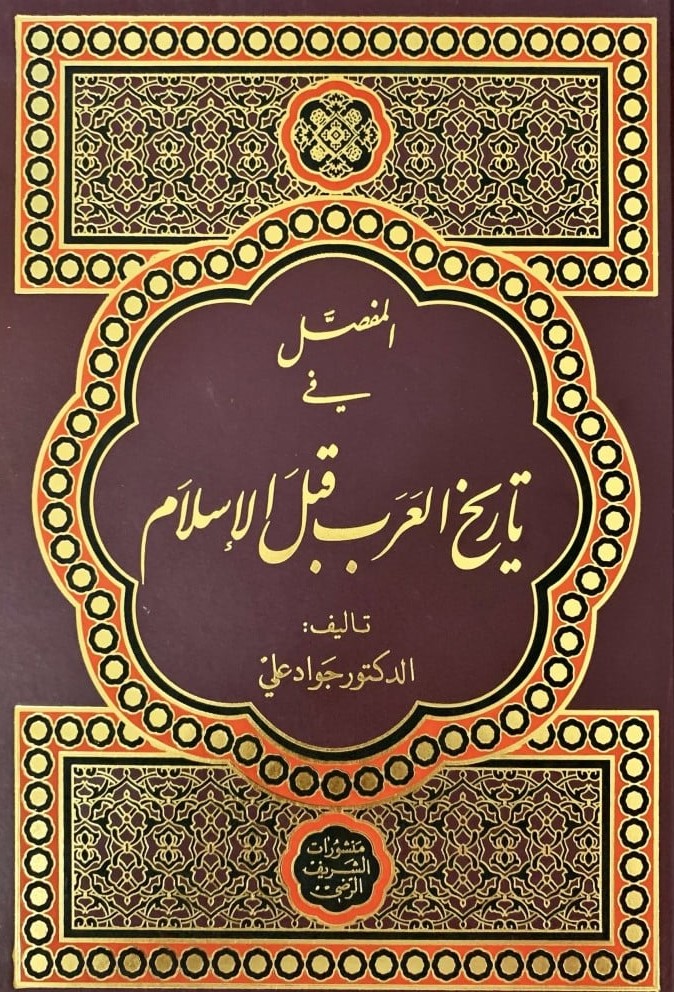
المفصل فى تاريخ العرب قبل الاسلام ج6 PDF - gawad ali
gawad ali • Arab history • 822 Pages
(0)
Quate
Review
Save
Share
Book Description
يقدّم الجزء السادس تحليلًا معمّقًا لملامح الحياة الثقافية والعقلية عند العرب قبل الإسلام، مركزًا على مصادر المعرفة، وأنماط التفكير، والعلوم التي ازدهرت في البيئة العربية القديمة. يبدأ المؤلف بالإشارة إلى دور الشعر كديوان العرب، وكيف شكّل وسيلة أساسية لتوثيق التاريخ والأحداث والقيم. كما يستعرض مكانة الخطابة والحكمة والأمثال الشعبية التي عبّر العرب من خلالها عن نظرتهم العميقة للحياة.
ويتناول هذا الجزء أثر الاحتكاك الثقافي مع الحضارات المجاورة، مثل الفرس والروم والهنود، موضحًا كيف استفاد العرب من علوم الطب والفلك والحساب، رغم عدم امتلاكهم مؤسسات علمية بالمعنى التقليدي. كما يناقش انتشار الكتابة والخط، وتطور الأبجدية العربية، ودور الأسواق الأدبية في تعزيز التنافس الإبداعي بين الشعراء.
ويسلط المؤلف الضوء على التفكير الفلسفي لدى العرب من خلال الأساطير والحكايات التي عكست محاولاتهم لفهم الكون والوجود.
يُعتبر هذا الجزء مرجعًا مهمًا لفهم الأسس الفكرية التي سبقت ظهور الإسلام، والتي ساهمت في تشكيل حركة الثقافة العربية لاحقًا.
gawad ali
Dr. Jawad Muhammad Ali Al-Aqili was born in Al-Kadhimiya, Baghdad in 1907. He studied in Adhamiya at the College of the Great Imam Abu Hanifa, then completed his studies at the Higher Teachers’ House (later the College of Education). After graduating from it in 1931, he was appointed as a teacher in a secondary school. As part of a scientific mission to Germany, where he obtained a doctorate in Islamic history from the University of Hamburg in 1939 for his thesis entitled “The Mahdi and his Four Ambassadors in German. He returned to Iraq and coincided with the May 1941 revolution and the outbreak of the Iraq-British war, he joined the revolution. After the failure of the revolution. Al-Thawra was arrested in Al-Faw prison, before being released and returning to the position in the Ministry of Education, where he was chosen to be the Secretary of the Composition, Translation and Publishing Committee, which was destined to be the nucleus of the Iraqi Scientific Academy in 1947. In 1956 he became an active member of the Academy and was chosen as a Corresponding Member Jawad Ali worked in the history department of the College of Education at the University of Baghdad since the fifties of the twentieth century, and rose in scientific positions in the College of Education as a teacher, assistant professor, and professor. Until his retirement in 1972. In 1957 he worked as a visiting professor at Harvard University in the United States. Then he retired, and the University of Baghdad awarded him the title of an experienced professor, the highest title given to an Iraqi thinker. He received honors and decorations, including the Lebanese Knowledge Medal and the Arab Historian Medal. He attended many symposiums and conferences, such as the orientalist conferences that were held in Germany. He was also a member of the German Archaeological Society and represented Iraq in several Arab and international conferences. Fluent in Arabic, English and German languages
Earn Rewards While Reading!
Every 10 pages you read and spent 30 seconds on every page, earns you 5 reward points! Keep reading to unlock achievements and exclusive benefits.
Read
Rate Now
5 Stars
4 Stars
3 Stars
2 Stars
1 Stars
المفصل فى تاريخ العرب قبل الاسلام ج6 Quotes
Top Rated
Latest
Quate
Be the first to leave a quote and earn 10 points
instead of 3
'%20/%3e%3c/svg%3e "المفصل فى تاريخ العرب قبل الاسلام ج1")
Comments
Be the first to leave a comment and earn 5 points
instead of 3