

The source of the book
This book is published for the public benefit under a Creative Commons license, or with the permission of the author or publisher. If you have any objections to its publication, please contact us.
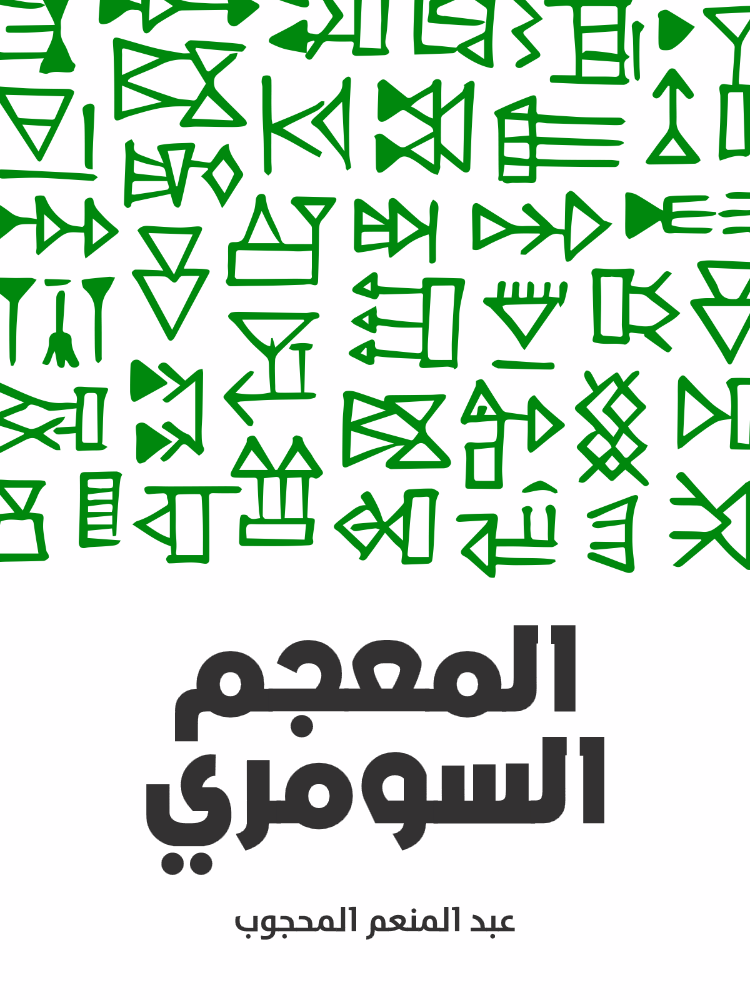
المعجم السومري PDF - Abdel Monem AlMahjoub
Abdel Monem AlMahjoub • science fiction novels • 320 Pages
(0)
Quate
Review
Save
Share
Book Description
كتاب "المعجم السومري" للمؤلف عبد المنعم المحجوب
يُعد كتاب "المعجم السومري" للمؤلف عبد المنعم المحجوب من الأعمال العربية التي تهتم بدراسة اللغة السومرية وإعادة تقديم مفرداتها ومفاهيمها للقارئ العربي. صدر الكتاب في سياق الاهتمام المتزايد بحضارات بلاد الرافدين القديمة، ولا سيما الحضارة السومرية التي تُعد من أقدم الحضارات التي عرفت الكتابة في تاريخ الإنسان. يندرج الكتاب ضمن الأعمال اللغوية والمعجمية ذات الطابع الحضاري، إذ يسعى إلى تقديم مادة تتعلق باللغة السومرية ومفرداتها ودلالاتها، مع ربطها بالمعرفة التاريخية والثقافية المرتبطة بسومر.
تقوم الفكرة الأساسية في "المعجم السومري" على تعريف القارئ العربي بعناصر اللغة السومرية من خلال جمع المفردات وشرح معانيها، ومحاولة إظهار مكانة هذه اللغة القديمة في تاريخ اللغات الإنسانية. يعتمد الكتاب على تقديم مداخل معجمية تتناول الكلمات السومرية وما يرتبط بها من دلالات واستخدامات، بما يساعد الباحثين والمهتمين بحضارات الشرق الأدنى القديم على الاقتراب من عالم لغوي وثقافي يعود إلى آلاف السنين.
لا ينتمي الكتاب إلى الرواية أو السرد القصصي، بل هو عمل لغوي ومعرفي يهدف إلى بناء جسر بين الدراسات المتخصصة في علم الآشوريات واللغة السومرية وبين القارئ العربي العام. يتناول الكتاب مفردات اللغة السومرية، ويوضح طبيعتها، ويعرض جانبًا من النظام اللغوي والثقافي الذي نشأ في بيئة بلاد الرافدين القديمة. كما يفتح الباب أمام فهم أوسع للنصوص السومرية القديمة التي وصلت إلينا عبر الألواح الطينية المكتوبة بالخط المسماري.
يناسب الكتاب القراء المهتمين بتاريخ الحضارات القديمة، واللغات المنقرضة، وعلم الآثار، والدراسات المشرقية، إضافة إلى الطلاب والباحثين في مجالات التاريخ القديم واللغويات. وقد يجد القارئ غير المتخصص بعض الصعوبة في التعامل مع المادة المعجمية بسبب طبيعة الموضوع وارتباطه بمصطلحات علمية وتاريخية تحتاج إلى خلفية مسبقة، إلا أن الكتاب يمثل مدخلًا مهمًا لكل من يرغب في التعرف إلى اللغة السومرية من منظور عربي.
من أبرز نقاط قوة الكتاب أنه يقدّم موضوعًا نادرًا نسبيًا في المكتبة العربية، إذ إن الدراسات المتخصصة في اللغة السومرية قليلة مقارنة بالدراسات المتعلقة بلغات وحضارات أخرى. كما تكمن أهميته في محاولة تقريب مجال معرفي معقد من القارئ العربي، وإبراز القيمة الحضارية للسومريين بوصفهم أصحاب واحدة من أقدم التجارب الكتابية والثقافية في العالم. أما من جوانب الضعف المحتملة، فقد تكون طبيعة العمل المعجمية سببًا في أن يبدو جافًا لبعض القراء الذين يفضلون الكتب السردية أو التاريخية المبسطة، كما أن التعامل مع لغة قديمة جدًا يفرض حدودًا على إمكانية الشرح والتفسير مقارنة باللغات الحية.
ما يميز "المعجم السومري" عن بعض الكتب الأخرى التي تتناول تاريخ بلاد الرافدين أنه يركز على اللغة نفسها بوصفها مفتاحًا لفهم الحضارة، بدل الاكتفاء بعرض الأحداث التاريخية أو الجوانب السياسية والاجتماعية. فاللغة السومرية ليست مجرد وسيلة للتواصل، بل هي سجل فكري يحمل تصورات السومريين عن الكون والدين والمجتمع والحياة اليومية.
يأتي الكتاب ضمن السياق الثقافي والفكري للاهتمام العربي بالحضارات القديمة ومحاولة إعادة قراءة التراث الإنساني في منطقة الشرق الأدنى. وتكتسب دراسة السومرية أهمية خاصة لأنها ترتبط ببدايات الكتابة والتدوين، وبنشأة الكثير من المفاهيم الإدارية والقانونية والأدبية التي أثرت في تاريخ المنطقة.
يستحق "المعجم السومري" لعبد المنعم المحجوب القراءة بالنسبة للمتخصصين والمهتمين بالحضارات القديمة واللغات التاريخية، وكذلك لكل قارئ يرغب في توسيع معرفته بجذور الثقافة الإنسانية. أما بالنسبة لمن يبحث عن كتاب تاريخي سهل أو سرد قصصي، فقد لا يكون الخيار الأنسب بسبب طبيعته المعجمية والعلمية. ولا يُعرف عن الكتاب حصوله على جوائز أدبية أو علمية بارزة، لكنه يظل عملًا ذا قيمة معرفية بسبب موضوعه المتخصص ومحاولته تقديم اللغة السومرية للقارئ العربي.
Abdel Monem AlMahjoub
Abdel Monem Al-Mahjoub
Abdel Monem Al-Mahjoub is a Libyan philosopher, linguist, historian, and cultural thinker whose work has made a significant contribution to contemporary Arab intellectual discourse. Born in 1963 in the city of Sorman, western Libya, he has established himself as one of the leading voices in the fields of philosophy, language studies, cultural theory, and ancient history. Throughout his academic and literary career, Al-Mahjoub has combined rigorous scholarly research with an interdisciplinary approach that bridges philosophy, linguistics, history, and literary criticism, making his writings influential among researchers and readers interested in Arab thought and civilization.
Al-Mahjoub's educational journey reflects his broad intellectual interests. He initially studied Industrial Management at George Brown College in Toronto, Canada. However, his growing passion for language, philosophy, and culture led him to interrupt his studies for several years to focus on Arabic language and Qur'anic studies. He later returned to academia to pursue philosophy, earning a master's degree in philosophy from Hassan II University in Morocco before completing his Ph.D. in 1999 with a dissertation on the theory of culture and the arts of communication. This diverse educational background has greatly influenced his multidisciplinary style of writing and research.
Since the mid-1980s, Abdel Monem Al-Mahjoub has played an active role in Libya's cultural and intellectual life. He founded the cultural newspaper Al-Jadid in 1986 and served as its editor-in-chief for two years. Later, he established Fada'at, a monthly magazine dedicated to thought, culture, and literary criticism, which he led for several years. He has also served as editor-in-chief of Lisan Al-Arab, continuing his commitment to promoting scholarly dialogue and preserving the Arabic language and its intellectual heritage.
As an author, Al-Mahjoub has written more than twenty-five books covering a wide range of subjects. His publications explore philosophy, comparative linguistics, ancient civilizations, cultural history, religion, literary criticism, and Libyan history. Among his best-known works are Ma Qabl Al-Lughah (Before Language), Warathat Al-Logos (Heirs of the Logos), The Purple Book, The Tebu: Identity, Language and the Unknown History, Voices of Babylon, Journey of Hanno, Fitnat Al-Warraq, and Against Islamic Clericalism. His writings often challenge conventional interpretations of history and language while encouraging readers to examine historical evidence from fresh and critical perspectives.
One of Al-Mahjoub's most recognized contributions is his research into the historical development of language and the cultural connections among ancient civilizations. His work frequently investigates the origins of Semitic and Afro-Asiatic languages, as well as the relationship between language, identity, and civilization. Although some of his theories have generated debate among scholars, they have also stimulated valuable discussions about historical methodology, comparative linguistics, and the interpretation of ancient sources.
In addition to his books, Al-Mahjoub has contributed numerous academic papers, essays, translations, and literary works. His writing style is characterized by careful documentation, philosophical reflection, and analytical depth. Rather than presenting simplified conclusions, he often invites readers to question established narratives and engage critically with historical and cultural evidence. This approach has earned him a respected place among readers interested in intellectual history and philosophical inquiry.
His scholarly achievements have received official recognition. In 2010, he was awarded the Libyan State Prize for his influential book Before Language, following a nomination by the Libyan Academy of the Arabic Language. Two years later, he received the Medal of the Nation from the Constitutional Thought Association in recognition of his contributions to promoting democratic culture and peaceful political thought.
Today, Abdel Monem Al-Mahjoub remains an important figure in modern Arab scholarship. His works continue to attract readers seeking thoughtful analyses of language, philosophy, history, and civilization. Through his interdisciplinary research and commitment to intellectual exploration, he has established a distinctive legacy that extends beyond Libya, contributing to broader discussions within the Arab cultural and academic world. His writings encourage critical thinking, historical investigation, and a deeper appreciation of the complex relationships between language, culture, identity, and human civilization.
Earn Rewards While Reading!
Every 10 pages you read and spent 30 seconds on every page, earns you 5 reward points! Keep reading to unlock achievements and exclusive benefits.
Read
Rate Now
5 Stars
4 Stars
3 Stars
2 Stars
1 Stars
المعجم السومري Quotes
Top Rated
Latest
Quate
Be the first to leave a quote and earn 10 points
instead of 3
'%20/%3e%3c/svg%3e "نقطة عمياء")
Comments
Be the first to leave a comment and earn 5 points
instead of 3