

The source of the book
This book is published for the public benefit under a Creative Commons license, or with the permission of the author or publisher. If you have any objections to its publication, please contact us.
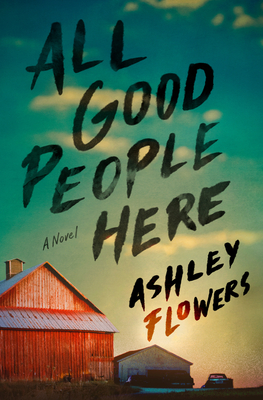
All Good People Here PDF - Ashley Flowers
Ashley Flowers • Crime novels and mysteries • 312 Pages
(0)
Quate
Review
Save
Share
Book Description
All Good People Here by Ashley Flowers with Alex Kiester is a tense, atmospheric mystery thriller built around a small town, an old murder, a new disappearance, and the unsettling fear that the truth may have been hiding in plain sight for decades. Written with the instincts of true-crime storytelling and the structure of a fast-moving suspense novel, the book follows journalist Margot Davies as she returns to her hometown of Wakarusa, Indiana, and finds herself pulled back into the unsolved death of her childhood neighbor, January Jacobs. The novel is officially described as a #1 New York Times bestseller and a suspense story about a journalist who becomes obsessed with both a twenty-year-old murder and the disappearance of another young girl under disturbingly similar circumstances. (PenguinRandomhouse.com)
A Small-Town Mystery Filled with Secrets
At the heart of All Good People Here is a question that gives the novel its quiet, chilling force: how well can anyone really know the people around them? Wakarusa appears familiar, ordinary, and close-knit, but the town is also shaped by old fear, withheld information, and the kind of silence that can make a community feel more dangerous than comforting. Margot Davies knows this place intimately because she grew up there, yet her return reveals how much she never understood about the people, families, and assumptions that surrounded her childhood.
The story begins with the shadow of January Jacobs, a young girl whose murder shocked the town when Margot was only six years old. January was the same age as Margot, lived next door, and became the center of a case that never truly ended because her killer was never brought to justice. Years later, Margot has become a journalist and moved away, but she remains haunted by the idea that the victim could just as easily have been her. When she comes home to help care for her uncle after his diagnosis with early-onset dementia, the past does not feel distant. It feels preserved, waiting, and dangerously alive. (PenguinRandomhouse.com)
A New Disappearance Reopens an Old Wound
The suspense deepens when five-year-old Natalie Clark goes missing from a nearby town under circumstances that seem eerily connected to January’s case. For Margot, Natalie’s disappearance is not simply another tragic news story. It becomes a trigger, forcing her to confront the memories she has carried for twenty years and the questions nobody in Wakarusa seems willing or able to answer. Her professional instincts as a journalist combine with her personal trauma, creating a powerful drive to investigate both cases before more damage is done.
This dual-timeline tension gives All Good People Here much of its momentum. The novel is not only about solving one crime; it is about the way one unresolved tragedy can echo into the present, shaping choices, fears, loyalties, and suspicions. As Margot digs deeper, she meets resistance from police, families, and townspeople, many of whom seem to know more than they are saying. The result is a layered cold case thriller that asks whether the past has repeated itself, whether the same danger has returned, and what price must be paid to expose the truth.
A Crime Thriller with True-Crime Energy
Readers who know Ashley Flowers through her work as the host of Crime Junkie will recognize the novel’s fascination with unanswered questions, missing-person cases, and the emotional weight carried by victims’ families and communities. Yet All Good People Here is not presented as a nonfiction case file; it is a work of crime fiction that uses the rhythm of investigation, suspicion, and revelation to create an immersive reading experience. Ashley Flowers’ public author profile identifies her as the host of Crime Junkie, founder of audiochuck, and founder of Season of Justice, while Alex Kiester is listed as the co-author of this #1 New York Times bestselling novel. (PenguinRandomhouse.com)
The collaboration between Ashley Flowers and Alex Kiester gives the book a polished, accessible thriller style. The storytelling is direct, suspenseful, and highly readable, with chapters designed to keep the reader moving through each new clue and contradiction. At the same time, the novel does not rely only on twists. Its atmosphere comes from emotional unease: the discomfort of returning home, the grief of an uncle’s illness, the burden of childhood memory, and the fear that justice delayed may have allowed danger to remain close.
Themes of Memory, Suspicion, and Hidden Truth
One of the strongest themes in All Good People Here is the instability of memory. Margot remembers January’s death through the lens of childhood, fear, and later obsession. As an adult, she has the tools of a journalist, but she also has personal blind spots. This tension makes her investigation more compelling because the reader understands that truth is not always hidden only by lies; sometimes it is buried under assumption, nostalgia, family loyalty, and the stories people repeat until they become accepted as fact.
The novel also explores the darker side of small-town life. Wakarusa is not portrayed simply as evil or corrupt, but as a place where everyone’s lives overlap so closely that secrets become communal property. People know one another’s habits, histories, and reputations, yet that closeness does not guarantee honesty. In fact, it can create pressure to protect certain people, preserve certain appearances, and avoid reopening wounds that might implicate neighbors, relatives, or respected members of the community.
Why This Book Appeals to Mystery and Thriller Readers
All Good People Here is especially suited for readers who enjoy small-town mysteries, psychological suspense, true-crime-inspired fiction, and cold case thrillers with a strong investigative thread. The book offers many of the elements readers search for in a modern crime novel: a determined journalist, a haunting childhood case, a missing child, a secretive town, and a mystery that becomes more complicated the closer it gets to the truth. Barnes & Noble described the book as having the essential ingredients of a crime thriller, including a cold case, an intrepid journalist, and many twists and turns. (Barnes & Noble)
At the same time, the novel has emotional texture beyond its plot mechanics. Margot’s return home is shaped by responsibility, grief, and unease, not just professional curiosity. Her uncle’s dementia adds another layer to the story, because memory itself becomes fragile, unreliable, and precious. The personal and investigative strands work together, making the book appealing not only to fans of page-turning suspense but also to readers who like mysteries rooted in family history, trauma, and moral ambiguity.
A Fast-Paced and Atmospheric Suspense Novel
The reading experience of All Good People Here is designed around tension that builds steadily. The book moves between the old case and the present-day disappearance, using parallels and unanswered questions to keep the reader alert. Each revelation changes the shape of the mystery, while each act of resistance from the town raises the possibility that the truth may be more disturbing than Margot expects. This makes the novel a strong choice for readers looking for a twisty thriller, a murder mystery with a journalist protagonist, or a suspense novel about buried secrets.
The title itself, All Good People Here, carries an ironic charge. It suggests respectability, neighborliness, and ordinary decency, yet the story repeatedly questions what can happen behind closed doors when appearances matter more than honesty. The book’s power comes from that contradiction: the idea that a place full of familiar faces may also be full of people who are protecting themselves, protecting each other, or protecting a truth too damaging to reveal.
A Compelling Choice for Fans of Dark, Modern Mystery Fiction
All Good People Here by Ashley Flowers with Alex Kiester delivers a gripping blend of crime fiction, psychological suspense, and small-town mystery. Its central premise is immediately compelling, but its lasting appeal lies in the emotional pressure surrounding the investigation: a journalist confronting the case that shaped her childhood, a family illness that pulls her back home, a missing girl whose disappearance reopens an old terror, and a town where nearly everyone seems to be holding something back.
For readers drawn to stories about cold cases, missing children, hidden guilt, and the dangerous difference between public image and private truth, All Good People Here offers a dark and absorbing reading experience. It is a mystery about what happened to January Jacobs and Natalie Clark, but it is also a novel about memory, fear, community silence, and the unsettling possibility that the people who seem most familiar may be the hardest to truly know.
Ashley Flowers
Ashley Flowers is an American author, storyteller, media founder, and one of the most recognizable contemporary voices associated with true crime, mystery, and suspense-driven storytelling. Her work connects two powerful forms of modern narrative: the intimate, serialized world of audio storytelling and the immersive structure of the crime novel. As the founder and chief creative force behind an independent media and podcast production company, she has built a career around stories that hold attention while also encouraging listeners and readers to think about victims, families, memory, secrecy, and justice. Her official biography identifies her as the founder of an award-winning independent media company, and the Crime Junkie host page lists her as the author of the New York Times bestsellers All Good People Here and The Missing Half.
Flowers’ appeal comes from her ability to shape complicated crime-related material into clear, emotionally charged narratives. She understands that mystery is not only about solving a puzzle; it is also about what unanswered questions do to people over time. Her fiction reflects that sensibility. Instead of treating crime merely as a shocking event, she often focuses on the aftermath: the families left behind, the towns that learn to live with suspicion, the women who continue searching when institutions fail them, and the way buried secrets can distort ordinary life. This makes her especially compelling for readers who enjoy psychological suspense, small-town mysteries, cold-case fiction, and crime novels centered on emotional consequences rather than simple thrills.
Her debut novel, All Good People Here, helped establish her as a fiction writer with a strong command of atmosphere, pace, and unresolved tension. The book explores the dark underside of a seemingly familiar community, using the framework of a mystery to examine memory, journalism, childhood trauma, and the uncomfortable question of what neighbors may be capable of hiding. Her second novel, The Missing Half, continues her interest in disappearance, family bonds, and unanswered cases. The publisher describes it as a mystery about two women haunted by their sisters’ unsolved disappearances who join forces to uncover the truth.
What distinguishes Ashley Flowers from many modern crime writers is the way her background in audio storytelling influences her fiction. Her chapters often carry a strong sense of momentum, and her scenes are designed to reveal information at carefully chosen moments. The result is a reading experience that feels immediate and cinematic without losing the emotional weight of the subject matter. She writes for an audience that wants suspense, but also wants a story to care about. Her novels are not only about clues and twists; they are about grief, loyalty, silence, fear, and the human need to know what happened.
Flowers is also connected to advocacy work related to unresolved violent crimes. She founded a nonprofit organization dedicated to helping investigative agencies and families move cold cases forward, including through grants for advanced DNA analysis, forensic genealogy, next-generation sequencing, awareness campaigns, and other forms of support. This advocacy gives her public identity a distinctive dimension. She is not simply interested in crime as entertainment; her broader work emphasizes remembrance, practical assistance, and the belief that forgotten or stalled cases still deserve attention.
For readers, Ashley Flowers represents a strong choice for anyone drawn to contemporary mystery fiction with an emotional core. Her writing is accessible, suspenseful, and shaped by a deep understanding of how real fear and uncertainty linger in private lives. Readers who enjoy dark secrets, missing-person cases, investigative plots, complicated families, and morally tense storytelling will find her author profile especially relevant. Whether approached through All Good People Here or The Missing Half, her work offers a modern form of crime fiction that balances readability with empathy, plot with atmosphere, and mystery with a persistent concern for the people left behind.
Earn Rewards While Reading!
Every 10 pages you read and spent 30 seconds on every page, earns you 5 reward points! Keep reading to unlock achievements and exclusive benefits.
Read
Rate Now
5 Stars
4 Stars
3 Stars
2 Stars
1 Stars
All Good People Here Quotes
Top Rated
Latest
Quate
Be the first to leave a quote and earn 10 points
instead of 3
Other books by Ashley Flowers
Other books like All Good People Here
'%20/%3e%3c/svg%3e "The Harbinger: The Ancient Mystery that Holds the Secret of America's Future")
Jonathan Cahn.
Crime novels and mysteries
(0)
3010
English
Jonathan Cahn.
Crime novels and mysteries
(0)
2677
English
Comments
Be the first to leave a comment and earn 5 points
instead of 3