

The source of the book
This book is published for the public benefit under a Creative Commons license, or with the permission of the author or publisher. If you have any objections to its publication, please contact us.
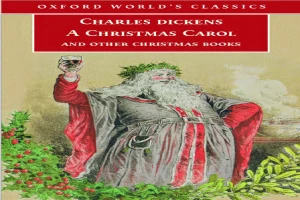
A Christmas Carol and Other Christmas Books PDF - Charles Dickens
Charles Dickens • Literary novels • 487 Pages
(0)
Author
Charles DickensCategory
literatureSection
Number Of Downloads
94
Number Of Reads
209
File Size
2.98 MB
Views
2,042
Quate
Review
Save
Share
Book Description
A Christmas Carol and Other Christmas Books brings together Charles Dickens’s most memorable Christmas fiction, led by the timeless story of Ebenezer Scrooge and followed by the other festive novellas that helped shape the literary idea of Christmas as a season of memory, charity, conscience, family, and moral renewal. This collection includes A Christmas Carol, The Chimes, The Cricket on the Hearth, The Battle of Life, and The Haunted Man, offering readers a fuller view of Dickens’s imaginative world beyond the single famous tale.
At the heart of the volume is A Christmas Carol, first published in 1843 and still one of the most beloved works of classic English literature. The story follows the miserly Ebenezer Scrooge, whose Christmas Eve encounters with supernatural visitors force him to confront the emotional cost of greed, isolation, regret, and indifference. The British Library describes it as the first and most popular of Dickens’s Christmas books, and its immediate success helped secure its place as one of the defining Christmas stories in English literary tradition.
A Classic Collection of Dickens’s Christmas Stories
This edition is especially valuable because it does not treat A Christmas Carol as an isolated masterpiece. Instead, it places the famous novella beside Dickens’s other Christmas books, allowing readers to experience the wider creative project behind his seasonal fiction. Across these stories, Dickens combines ghostly atmosphere, domestic warmth, social satire, melodrama, comedy, romance, and moral reflection. The result is a collection that feels both festive and serious, comforting and unsettling, familiar and surprisingly complex.
While A Christmas Carol is the best-known work in the book, the accompanying stories deepen the reader’s understanding of Dickens’s Christmas imagination. The Chimes explores poverty, social judgment, and the danger of losing faith in humanity. The Cricket on the Hearth turns toward home, affection, misunderstanding, and reconciliation. The Battle of Life offers a more romantic and emotional variation on sacrifice and memory. The Haunted Man returns to supernatural visitation, asking whether a person can truly live well without painful memories. Together, these works show Dickens using Christmas not merely as decoration, but as a dramatic setting for questions about compassion, responsibility, and the human need for forgiveness.
Themes of Redemption, Memory, and Social Conscience
Readers searching for classic Christmas fiction, Victorian literature, or Charles Dickens Christmas stories will find that this collection offers far more than seasonal charm. Dickens uses the festive period to examine how people treat one another, especially the poor, the lonely, the elderly, children, workers, and those pushed to the margins of society. His Christmas world is filled with candles, firesides, music, food, bells, snow, spirits, and family gatherings, but beneath that warm surface lies a sharp awareness of inequality and moral neglect.
The power of A Christmas Carol comes from the way Dickens turns one man’s private transformation into a wider meditation on social duty. Scrooge is not simply a comic miser; he represents a colder way of looking at the world, one in which profit matters more than people and suffering is easy to ignore. Through his encounters with the spirits of Christmas Past, Present, and Yet to Come, Dickens creates one of literature’s most enduring journeys from hardness to generosity. The story remains powerful because it speaks to readers across generations: it asks whether change is possible, whether regret can lead to renewal, and whether compassion can be recovered before it is too late.
The Reading Experience
The reading experience of A Christmas Carol and Other Christmas Books is rich, atmospheric, and varied. Dickens’s prose can be playful, theatrical, sentimental, humorous, eerie, and deeply moving, often within the same chapter. His characters are vividly drawn, his scenes are full of movement and sound, and his moral vision is direct without losing its imaginative energy. Readers who know Dickens from longer novels such as Oliver Twist, Great Expectations, or David Copperfield will recognize his gift for memorable personalities and social observation, while new readers may find the shorter Christmas books an accessible entry point into his work.
This collection also appeals to readers who enjoy literary ghost stories. Although modern audiences often remember A Christmas Carol as a warm tale of holiday redemption, it is also a supernatural story filled with darkness, fear, silence, and judgment. Dickens understood that Christmas fiction could hold both comfort and unease: the warmth of the hearth becomes more meaningful when set against cold streets, lonely rooms, and the haunting presence of the past. That balance between shadow and light is one of the reasons these stories continue to feel alive.
Why This Book Still Matters
The lasting appeal of A Christmas Carol and Other Christmas Books lies in its ability to combine entertainment with ethical seriousness. Dickens never allows Christmas to become merely decorative. For him, the season becomes a test of character: how do people remember their past, treat their families, respond to suffering, use their wealth, and imagine a better future? These questions make the book relevant not only during the holiday season, but throughout the year.
For students, this volume offers an important window into nineteenth-century English literature, Victorian social concerns, and Dickens’s role in shaping popular Christmas storytelling. For general readers, it offers a beautifully layered collection of stories about change, kindness, home, memory, and the fragile bonds that connect human lives. For fans of holiday reading, it provides one of the foundations of the modern Christmas literary tradition, not as a simple celebration of festivity, but as a call to generosity and moral attention.
For Readers of Classic Literature and Christmas Fiction
A Christmas Carol and Other Christmas Books is ideal for readers who enjoy classic novels, Victorian storytelling, meaningful Christmas books, family reading traditions, and fiction with a strong moral and emotional center. It is also a rewarding choice for anyone who wants to move beyond adaptations of A Christmas Carol and return to Dickens’s original language, where the humor, rhythm, atmosphere, and social criticism are far richer than many retellings can capture.
The collection rewards both first-time readers and those returning to Dickens after many years. A new reader may come for Scrooge, Marley, and the ghosts, but stay for the broader world of bells, hearths, haunted memories, troubled homes, and unexpected grace. A returning reader may discover how carefully Dickens connects the pleasures of storytelling with a serious belief in sympathy, community, and the possibility of moral awakening.
A Timeless Work of Holiday Literature
More than a seasonal classic, A Christmas Carol and Other Christmas Books by Charles Dickens is a landmark collection of stories about human responsibility and the hope of renewal. It gathers the warmth, wit, theatricality, social concern, and supernatural imagination that make Dickens one of the central figures of English literature. Whether read at Christmas or at any time of year, the book continues to invite readers into a world where memory can wound, generosity can heal, and even the coldest heart may still be reached by the light of compassion.
Charles Dickens
Earn Rewards While Reading!
Every 10 pages you read and spent 30 seconds on every page, earns you 5 reward points! Keep reading to unlock achievements and exclusive benefits.
Read
Rate Now
5 Stars
4 Stars
3 Stars
2 Stars
1 Stars
A Christmas Carol and Other Christmas Books Quotes
Top Rated
Latest
Quate
Be the first to leave a quote and earn 10 points
instead of 3
'%20/%3e%3c/svg%3e "A tale of two cities")
Comments
Be the first to leave a comment and earn 5 points
instead of 3