

The source of the book
This book is published for the public benefit under a Creative Commons license, or with the permission of the author or publisher. If you have any objections to its publication, please contact us.
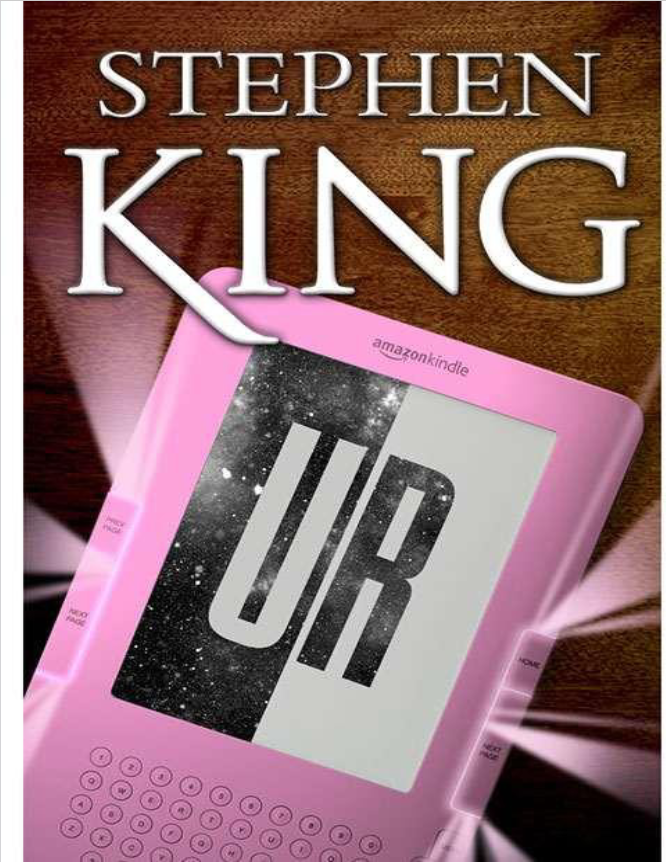
UR PDF - Stephen King
Stephen King • Horror novels • 67 Pages
(0)
Author
Stephen KingCategory
literatureSection
Number Of Downloads
32
Number Of Reads
109
File Size
0.40 MB
Views
967
Quate
Review
Save
Share
Book Description
Stephen King’s UR is a science-fantasy novella first published in 2009 by Amazon.com as an exclusive Kindle e-book. Written by Stephen King, one of America’s best-known authors of horror, suspense, fantasy, and supernatural fiction, UR was released on February 12, 2009, and later appeared as an audiobook from Simon & Schuster Audio in 2010. It was also collected in King’s 2015 book The Bazaar of Bad Dreams in a heavily revised version.
The novella follows Wesley Smith, an English instructor at a Kentucky college whose quiet life is shaken after a breakup with his girlfriend, Ellen. Hurt and defensive after an argument about reading habits and modern technology, Wesley impulsively orders a Kindle. What arrives is not the ordinary white device he expects, but a strange pink Kindle that seems to have been sent to him by mistake. At first, it looks like a harmless oddity, but Wesley soon discovers that this device is not merely an e-reader. It contains a mysterious function called “UR,” which allows access to books, newspapers, and information from alternate realities.
Wesley’s first major discovery is literary. Through the Kindle, he finds novels and works that do not exist in his own world, including books by famous authors whose lives or careers unfolded differently in other timelines. For a literature teacher, this is both thrilling and disturbing. The device appears to offer the ultimate reader’s dream: unlimited access not only to existing books, but to books that were never written in Wesley’s reality. King uses this idea to blend wonder with unease, showing how the temptation of impossible knowledge can quickly become dangerous.
As Wesley explores the Kindle further, he learns that its powers extend beyond alternate literature. The device can retrieve newspapers from different versions of reality, including future issues. This turns UR from a story about reading into a story about fate, responsibility, and interference. Wesley shares the secret with others, including his friend Robbie and a student named Don Allman. Together, they begin testing what the Kindle can do, but their curiosity leads them toward frightening discoveries. In one alternate timeline, they find evidence of global catastrophe after the Cuban Missile Crisis ends in nuclear disaster.
The central moral conflict appears when Wesley discovers a future newspaper report describing a deadly accident involving a bus and a drunk driver. The report also connects directly to Ellen, making the danger personal. Wesley must decide whether to treat the Kindle’s knowledge as forbidden information or act on it to prevent tragedy. His choice drives the novella into suspense, as he and his allies attempt to stop the accident before it happens. This section gives the story its emotional weight: Wesley’s use of the Kindle is no longer academic or selfish, but urgent and human.
After the accident is prevented, Wesley faces consequences from mysterious figures known as the Low Men in Yellow Coats, beings connected to King’s wider fictional universe. They arrive to reclaim the Kindle and warn him against tampering with realities and timelines. Their presence suggests that the multiverse has rules, and that even a well-intentioned act can attract dangerous attention. By the end, Wesley has saved lives, but he is left with a larger and more unsettling understanding of existence.
UR is a compact but memorable Stephen King novella because it turns an everyday device into a portal to infinite possibility. Rather than relying mainly on horror, the story uses science fiction, fantasy, suspense, and metafictional ideas about books themselves. Its plot explores the seduction of hidden knowledge, the risks of changing the future, and the emotional power of second chances. For readers interested in Stephen King’s shorter fiction, UR offers a fast-paced story built around one of his favorite questions: what happens when ordinary people encounter something impossible and must decide how far they are willing to go?
Stephen King
Stephen King is one of the most influential, widely read, and culturally recognizable authors in modern popular literature, celebrated above all for his mastery of horror while also making major contributions to suspense, crime fiction, fantasy, science fiction, psychological drama, and literary storytelling. Born in Portland, Maine, he developed a fictional world deeply connected to small towns, working families, childhood fears, buried secrets, and the unsettling possibility that ordinary life can suddenly open into terror. His work is often associated with supernatural forces, haunted places, violent outsiders, and monstrous presences, yet his lasting power comes from a deeper understanding of human weakness, grief, addiction, memory, loyalty, cruelty, and moral choice. King does not simply frighten readers; he invites them into fully imagined communities where fear grows naturally from character, atmosphere, and emotional truth.
Stephen King’s breakthrough came with Carrie, a novel that transformed the pain of adolescence, social rejection, religious fanaticism, and uncontrolled power into a compact and unforgettable story. The success of that book allowed him to become a full-time writer, and it was followed by a remarkable series of major works including Salem’s Lot, The Shining, The Stand, The Dead Zone, Cujo, Pet Sematary, It, Misery, The Green Mile, Bag of Bones, Under the Dome, Doctor Sleep, Billy Summers, Fairy Tale, and 11/22/63. His long-running sequence The Dark Tower occupies a special place in his career because it connects western imagery, epic fantasy, horror, metafiction, and myth into a vast narrative about destiny, sacrifice, obsession, and storytelling itself. King also wrote several works under the name Richard Bachman, a pseudonym that allowed him to explore darker social and psychological material while testing whether a story could succeed without the power of his famous name attached to it.
A defining quality of Stephen King’s fiction is his ability to build believable characters before placing them under extreme pressure. Children, writers, teachers, nurses, prisoners, police officers, parents, and lonely outsiders often stand at the center of his stories, and their emotional struggles are as important as the supernatural events around them. His prose is direct, energetic, and accessible, but it is also rich in cultural observation, humor, rhythm, and suspense. He has a particular gift for making locations feel alive: Derry, Castle Rock, Jerusalem’s Lot, and other fictional places operate almost like recurring characters, carrying histories of violence, memory, and collective fear. Through these settings, King has created an interconnected literary landscape that rewards both casual readers and devoted fans.
Stephen King’s influence extends far beyond the printed page. Many of his works have been adapted into major films, television series, miniseries, and streaming productions, helping shape the global visual language of horror and suspense. Adaptations such as The Shawshank Redemption, Stand by Me, Misery, The Green Mile, Carrie, The Shining, and It have made his stories familiar to audiences across generations. His nonfiction book On Writing is also highly respected because it combines memoir, practical advice, and a clear philosophy of craft, emphasizing discipline, honesty, revision, and the importance of reading. King has received major honors for his contribution to American letters and the arts, including prestigious lifetime and national awards. His enduring reputation rests on a rare combination of productivity, narrative confidence, emotional directness, and imaginative range. For readers searching for an author who can combine fear with humanity, entertainment with insight, and popular appeal with lasting literary impact, Stephen King remains one of the essential names in contemporary fiction.
Earn Rewards While Reading!
Every 10 pages you read and spent 30 seconds on every page, earns you 5 reward points! Keep reading to unlock achievements and exclusive benefits.
Read
Rate Now
5 Stars
4 Stars
3 Stars
2 Stars
1 Stars
UR Quotes
Top Rated
Latest
Quate
Be the first to leave a quote and earn 10 points
instead of 3
'%20/%3e%3c/svg%3e "Carrie")
Comments
Be the first to leave a comment and earn 5 points
instead of 3