

The source of the book
This book is published for the public benefit under a Creative Commons license, or with the permission of the author or publisher. If you have any objections to its publication, please contact us.
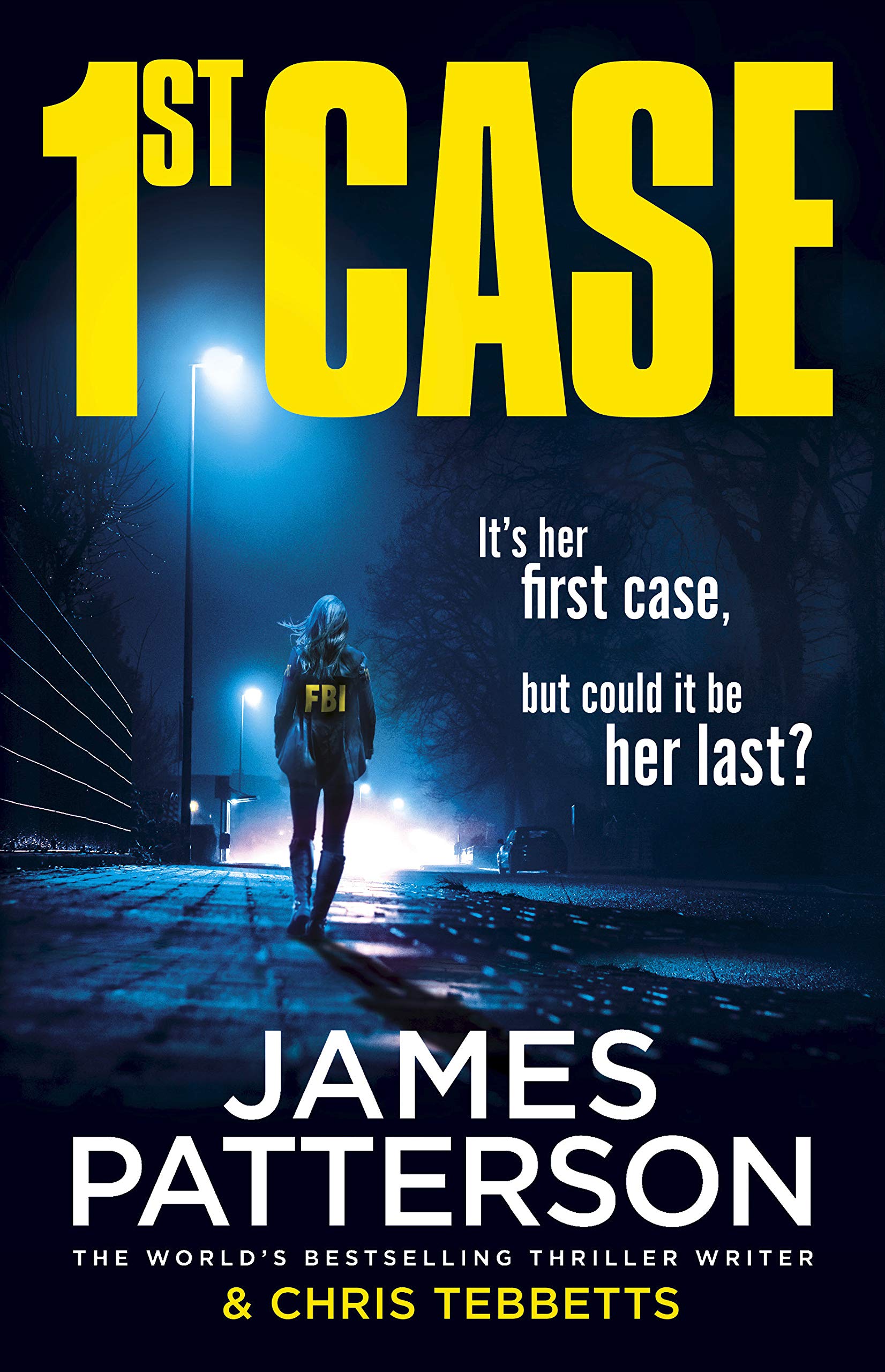
1st Case PDF - James Patterson
James Patterson • Crime novels and mysteries • 330 Pages
(0)
Author
James PattersonCategory
literatureSection
Number Of Downloads
54
Number Of Reads
109
File Size
2.40 MB
Views
1,189
Quate
Review
Save
Share
Book Description
1st Case by James Patterson and Chris Tebbetts
1st Case by James Patterson and Chris Tebbetts is a fast-paced crime thriller about technology, ambition, murder, and the dangerous moment when a brilliant young mind enters the real world of FBI investigation. Centered on Angela Hoot, a genius programmer whose future at MIT collapses after one reckless act of hacking, the novel introduces a sharp, modern heroine whose first major case may also become her last. The publisher presents the book as a thriller in which Angela goes from the top of her class to the bottom of the FBI food chain, only to find that her first assignment threatens everyone around her.
A Young Tech Genius Gets a Second Chance
Angela Hoot has always been exceptional. She is brilliant with computers, intensely curious, and used to being the smartest person in the room. But intelligence does not always come with caution. When Angela uses her hacking skills on another student’s computer, her graduate school career at MIT comes to an abrupt end. What should have been the beginning of a glittering future suddenly looks like a disaster, and Angela fears she may have ruined every opportunity she has worked for.
Then her mentor, Eve Abajian, arranges an unexpected new beginning: an internship at the FBI’s Boston field office. For Angela, the offer is both a rescue and a challenge. She is no longer protected by the academic world, where brilliance can sometimes excuse obsession. At the FBI, mistakes have consequences, and curiosity can become dangerous when the person asking questions is standing too close to a killer.
Angela Hoot and the Reality of the FBI
One of the strongest elements of 1st Case is Angela herself. She is not a traditional FBI agent with years of field training, a weapon-ready attitude, or a calm professional manner. She is young, brilliant, inexperienced, and still learning how to move inside an institution where rules matter as much as results. Her mind works quickly, but the FBI demands patience, discipline, teamwork, and the ability to follow instructions even when instinct says to push harder.
Her new supervisor, Assistant Special Agent in Charge William Keats, recognizes her intelligence and sees something of himself in her. He is another prodigy, one of the youngest agents to reach his rank in the Northeast, but he also understands that talent without restraint can become a liability. Angela’s first lesson is not simply how to solve a case. It is how to survive a profession where every clue may lead closer to danger.
A First Case with Deadly Stakes
Angela is quickly pulled into a brutal investigation involving murderous brothers known as the Poet and the Engineer. With very little field experience, she is expected to observe, learn, and follow the lead of trained agents. But Angela’s mind does not work passively. When Keats tells her to “watch and listen,” her instincts push her to analyze, connect, and dig deeper. The same obsessive thinking that helped her succeed in school now places her in danger in the field.
This premise gives 1st Case a strong blend of FBI thriller, tech suspense, and serial-crime investigation. Angela’s first assignment is not a gentle introduction to law enforcement. It throws her into murder, digital evidence, dangerous suspects, and the terrifying realization that the skills that make her useful to the Bureau may also make her visible to the criminals she is trying to expose.
Technology, Curiosity, and Modern Crime
1st Case is especially appealing because it places technology at the center of the investigation. Angela’s hacking ability, programming background, and analytical mind give her access to a kind of evidence that traditional investigators may not see as quickly. In a world where phones, apps, files, messages, and digital traces can reveal hidden lives, Angela’s skills make her valuable from the beginning.
But Patterson and Tebbetts also show the danger of that same talent. Technology can uncover secrets, but it can also invite retaliation. Hacking can reveal the truth, but it can cross legal and ethical lines. Angela’s greatest strength is her refusal to stop asking questions, yet that refusal is exactly what makes her vulnerable. The novel works well for readers who enjoy cybercrime thrillers, FBI investigations, and stories where digital intelligence becomes both weapon and weakness.
A Fast-Paced James Patterson Thriller
Fans of James Patterson books will recognize the pace of 1st Case immediately. The chapters are short, the danger escalates quickly, and the story is built around suspense, movement, and clear stakes. Patterson’s thriller style keeps the book accessible and highly readable, while Chris Tebbetts helps shape Angela’s young, sharp, energetic perspective.
The result is a thriller that feels contemporary and direct. It does not rely only on traditional police work or physical action. Instead, it combines murder investigation with digital skill, institutional pressure, and the emotional uncertainty of a young protagonist trying to prove she belongs. Angela’s intelligence moves the plot forward, but her inexperience keeps the suspense alive.
Themes of Talent, Discipline, and Risk
At its core, 1st Case is about the difference between being brilliant and being ready. Angela Hoot has the mind of someone who can solve impossible problems, but the FBI forces her to learn that real investigations are not academic exercises. People die. Evidence matters. Decisions carry consequences. Curiosity must be balanced with caution, and confidence must be tested by experience.
The novel also explores second chances. Angela’s mistake at MIT could have ended her career before it began, but the FBI internship gives her a new path. That opportunity, however, is not safe or simple. It asks her to grow quickly, control her instincts, and decide whether she can turn raw talent into real investigative judgment.
Who Should Read 1st Case?
1st Case is a strong choice for readers who enjoy James Patterson thrillers, Chris Tebbetts novels, FBI crime fiction, cybercrime suspense, and fast-paced mysteries featuring young, brilliant protagonists. It will especially appeal to readers who like stories about hackers, digital evidence, serial killers, and investigators who must prove themselves under extreme pressure.
The book is also suitable for readers looking for a modern standalone thriller with a fresh central character. Angela Hoot brings a different energy to Patterson’s crime world: she is not a seasoned detective, but a gifted outsider learning the rules of law enforcement while already being pulled into danger. That makes her first case exciting, unpredictable, and full of personal risk.
A Smart and Fast Thriller About a Dangerous Beginning
1st Case stands out as a sharp and energetic James Patterson thriller about a young computer genius whose second chance at success becomes a deadly test of survival. With Angela Hoot leaving MIT behind, entering the FBI’s Boston field office, and facing a case involving killers who are far more dangerous than anything she has studied, the novel delivers a strong mix of crime, suspense, technology, FBI investigation, and fast-paced thriller action.
For readers searching for a James Patterson tech thriller with a clever heroine and high-stakes investigation, 1st Case offers an engaging reading experience. It is a story about talent under pressure, curiosity with consequences, and the frightening truth that a first case can become a final test when the killer notices you before you are ready.
James Patterson
James Patterson is an American novelist, storyteller, and major figure in contemporary popular fiction, best known for his crime novels, psychological thrillers, suspense series, and highly readable books for adults, young readers, and children. His reputation rests on a distinctive narrative style built around short chapters, rapid scene changes, direct dialogue, rising danger, and the constant feeling that another revelation is waiting on the next page. Born in New York, Patterson studied English literature before beginning a successful career in advertising, and that professional background helped shape the way he approaches fiction. He understands pacing, audience attention, memorable titles, and the emotional pull of a strong opening, and these qualities appear throughout his novels. Patterson first gained recognition with his early fiction, but his international fame expanded dramatically with the creation of Alex Cross, the detective and psychologist who became one of the most recognizable characters in modern American crime writing. Through Alex Cross, Patterson developed a powerful blend of police investigation, psychological tension, personal vulnerability, family loyalty, moral pressure, and confrontation with dangerous criminals. The series helped define his public image as a writer who could deliver suspense with speed and emotional clarity. Beyond Alex Cross, Patterson has created or co-created many successful series, including Women’s Murder Club, Michael Bennett, Maximum Ride, Private, Middle School, I Funny, and other projects that move across crime fiction, adventure, young adult fantasy, humor, and family reading. His range is one of the reasons his readership is so broad. He does not write only for dedicated thriller fans; he also writes for reluctant readers, younger audiences, casual readers, and people who want a book that is easy to begin and difficult to put down. His prose is not designed to be ornamental or slow. Instead, it favors momentum, clarity, suspense, and dramatic payoff. Critics have sometimes debated his commercial style, his extraordinary productivity, and his frequent collaborations with other writers, yet his influence on the publishing world remains undeniable. Patterson helped turn the modern thriller series into a powerful reading brand, showing how recurring characters, familiar structures, and cinematic pacing can create long-term reader loyalty. His collaborative method also reflects a broader understanding of publishing as both creative storytelling and organized production, allowing him to sustain multiple fictional worlds at the same time. Themes that appear often in his work include justice, fear, violence, corruption, family protection, survival, friendship, courage, and the tension between public duty and private life. Several of his books have reached audiences beyond the printed page, strengthening his connection with popular culture. Patterson is also widely associated with literacy advocacy. He has supported libraries, schools, independent bookstores, teachers, scholarships, and programs designed to help children discover the pleasure of reading. This commitment gives his career a cultural dimension beyond bestseller lists. He is not only a writer of commercial success, but also a public advocate for books and reading. For a book website, James Patterson is an important author to present because his work offers many entry points for different readers: crime lovers can begin with Alex Cross, mystery fans can explore Women’s Murder Club, action readers can follow Michael Bennett, and younger readers can discover his school stories and adventure series. His career shows how popular fiction can combine accessibility, suspense, emotional engagement, and professional discipline to become a global reading phenomenon.
Earn Rewards While Reading!
Every 10 pages you read and spent 30 seconds on every page, earns you 5 reward points! Keep reading to unlock achievements and exclusive benefits.
Read
Rate Now
5 Stars
4 Stars
3 Stars
2 Stars
1 Stars
1st Case Quotes
Top Rated
Latest
Quate
Be the first to leave a quote and earn 10 points
instead of 3
Other books by James Patterson
Other books like 1st Case
'%20/%3e%3c/svg%3e "The Harbinger: The Ancient Mystery that Holds the Secret of America's Future")
Jonathan Cahn.
Crime novels and mysteries
(0)
3004
English
Jonathan Cahn.
Crime novels and mysteries
(0)
2668
English
Comments
Be the first to leave a comment and earn 5 points
instead of 3