

The source of the book
This book is published for the public benefit under a Creative Commons license, or with the permission of the author or publisher. If you have any objections to its publication, please contact us.
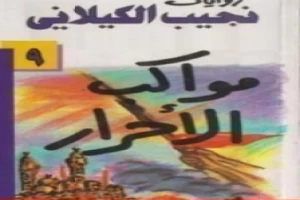
مواكب الأحرار PDF - Najeeb Al Kilani
Najeeb Al Kilani • Literary novels • 276 Pages
(0)
Author
Najeeb Al KilaniCategory
literatureSection
Number Of Downloads
61
Number Of Reads
206
File Size
2.42 MB
Views
1,443
Quate
Review
Save
Share
Book Description
مواكب الأحرار رواية تاريخية عربية للكاتب المصري نجيب الكيلاني، تنقل القارئ إلى زمن مضطرب من تاريخ مصر، حيث يشتبك الواقع السياسي مع الإيمان، والخوف مع الشجاعة، وحسابات السلامة مع نداء المقاومة. تدور الرواية في أجواء الاحتلال الفرنسي لمصر، وتقدّم صورة إنسانية ووطنية للصراع بين من يختار الوقوف في وجه المحتل مهما بدا ميزان القوة مختلًا، ومن يفضّل الانسحاب أو المهادنة طلبًا للأمان. ومن خلال شخصية الحاج مصطفى البشتيلي، وشخصية أحمد المدبولي، تفتح الرواية سؤالها المركزي: هل الحرية تُقاس بالنتائج القريبة، أم بالموقف الأخلاقي الذي يحفظ للإنسان كرامته ومعنى وجوده؟
رواية تاريخية عن مصر زمن الحملة الفرنسية
تستحضر رواية مواكب الأحرار مرحلة الحملة الفرنسية على مصر، وهي مرحلة تركت أثرًا عميقًا في الوعي المصري الحديث، بما حملته من صدام عسكري وثقافي وسياسي بين قوة أجنبية منظمة ومجتمع يحاول حماية هويته وكرامته. تشير المصادر التاريخية إلى أن الحملة الفرنسية وصلت إلى مصر سنة 1798، وأن الوجود الفرنسي ظل حاضرًا في المشهد المصري حتى انتهى بخروج القوات الفرنسية من القاهرة والإسكندرية سنة 1801. هذا السياق التاريخي لا يظهر في الرواية بوصفه خلفية جامدة، بل يتحول إلى ميدان حيّ تُختبر فيه الشخصيات، وتتكشف فيه المواقف، وتظهر فيه الفروق بين من ينظر إلى الاحتلال باعتباره قدرًا يجب التعايش معه، ومن يراه اعتداءً لا بد من مقاومته.
لا تسعى الرواية إلى تقديم درس تاريخي مباشر بقدر ما تستخدم التاريخ للكشف عن جوهر الإنسان وقت المحنة. فالقارئ لا يتابع أحداثًا سياسية فحسب، بل يتابع ارتباك البيوت، وخوف الناس، وصوت الأزقة، وتحوّل الجماعة من حالة الانتظار إلى حالة الفعل. بهذا المعنى، تصبح مواكب الأحرار رواية عن لحظة شعبية كبرى، لا عن بطل فردي منعزل فقط؛ إنها رواية عن الناس حين يجدون أنفسهم أمام سؤال لا يمكن التهرب منه: ماذا نفعل حين يصبح الصمت مشاركة في الهزيمة؟
بين الحاج مصطفى البشتيلي وأحمد المدبولي
تقوم قوة الرواية على المقابلة بين نموذجين إنسانيين واضحين. الحاج مصطفى البشتيلي يمثل روح المقاومة التي لا تقيس قيمة الفعل بنتيجته المضمونة، بل بصدقه وضرورته. إنه شخصية ترى أن الدفاع عن الوطن والدين والكرامة ليس رفاهية فكرية، ولا اندفاعًا عاطفيًا عابرًا، بل واجبًا يفرضه الإيمان بالحق. وفي المقابل، يظهر أحمد المدبولي بوصفه نموذجًا للعقل العملي الذي يرى أن موازين القوة لا تسمح بالمواجهة، وأن السلامة الشخصية قد تكون أرجح من التضحية في معركة تبدو خاسرة. هذه الثنائية تمنح الرواية بعدها النفسي والفكري؛ لأنها لا تقدّم الصراع في صورة مبسطة بين خير وشر فقط، بل تجعله صراعًا بين منطقين: منطق الحياة الآمنة، ومنطق الحياة الكريمة.
من هنا يكتسب عنوان مواكب الأحرار دلالته العميقة. فالحرية في الرواية ليست شعارًا سياسيًا مجردًا، بل مسيرة جماعية يصنعها أناس عاديون حين يرفضون أن يتحول الخوف إلى قدر. الكيلاني لا يكتفي برسم مشاهد المقاومة، بل يدرس أثرها في النفوس والعلاقات والبيوت، ويضع القارئ أمام الثمن الإنساني لكل اختيار. فالمقاومة لها كلفة، ولكن المهادنة لها كلفة أخرى قد تكون أشد خفاءً؛ كلفة تمس الكرامة، والذاكرة، وصورة الإنسان أمام نفسه.
البعد الإسلامي والوطني في أدب نجيب الكيلاني
يُعد نجيب الكيلاني من أبرز الأسماء المرتبطة بالرواية ذات الرؤية الإسلامية في الأدب العربي الحديث. وُلد في قرية شرشابة بمحافظة الغربية عام 1931، وكان طبيبًا وشاعرًا وروائيًا، وكتب عشرات الأعمال بين الرواية والقصة والكتب الأدبية والفكرية، وقد تناولت سيرته مصادر عربية عدة بوصفه أديبًا ذا مشروع واضح يجمع بين الفن الروائي والرؤية الأخلاقية والاهتمام بقضايا الإنسان المسلم في التاريخ والواقع.
في مواكب الأحرار يظهر هذا البعد بوضوح؛ فالمقاومة ليست مجرد موقف وطني، بل هي أيضًا موقف أخلاقي وروحي. الشخصيات تتحرك داخل عالم تتداخل فيه العقيدة مع المسؤولية، والشجاعة مع التضحية، وحب الوطن مع الإحساس بالواجب. لذلك تُقرأ الرواية ضمن أعمال الكيلاني التي تعالج التاريخ بروح معاصرة، فتستدعي لحظة قديمة لتناقش أسئلة لا تزال حاضرة: كيف يتعامل المجتمع مع الاحتلال؟ متى يصبح الحذر ضعفًا؟ ومتى تتحول التضحية إلى معنى يتجاوز حدود الخسارة والربح؟
لغة روائية قريبة من القارئ ومشحونة بالعاطفة
يمتاز أسلوب نجيب الكيلاني في هذه الرواية بالوضوح والحركة والقدرة على بناء التوتر الأخلاقي دون تعقيد لغوي مفتعل. لغته قريبة من القارئ العربي، لكنها تحمل شحنة وجدانية قوية تناسب موضوع الرواية. فهو يكتب عن الخوف دون أن يجعل الخائفين مجرد جبناء، ويكتب عن البطولة دون أن يحول الأبطال إلى رموز بعيدة عن الحياة. هذه القدرة على التوازن تجعل رواية مواكب الأحرار مناسبة للقراء الذين يبحثون عن رواية تاريخية عربية تجمع بين التشويق، والرسالة، وتصوير المجتمع، والاهتمام بالبناء النفسي للشخصيات.
كما أن الرواية تناسب القراء المهتمين بكتب نجيب الكيلاني، وموضوعات الأدب الإسلامي، والروايات التاريخية عن مصر، والروايات الوطنية التي تتناول المقاومة ضد الاحتلال. وقد حظيت الرواية باهتمام نقدي مرتبط بموضوع “المناضل المسلم”، كما تظهر في بيانات دراسات أدبية تناولت العمل ضمن سياقات الدولة العثمانية، وعصر المماليك، ومصر، والحملة الفرنسية، والنقد الأدبي.
قراءة في معنى الحرية لا في حدث تاريخي فقط
أهم ما تمنحه مواكب الأحرار للقارئ هو أنها لا تتركه عند حدود الماضي. فالرواية تستخدم تاريخ الحملة الفرنسية لتطرح سؤال الحرية في كل زمن: هل الحرية موقف داخلي قبل أن تكون انتصارًا خارجيًا؟ وهل يمكن للإنسان أن ينجو بجسده بينما يخسر شيئًا أعمق في روحه؟ هذه الأسئلة تجعل الرواية أوسع من حكاية مقاومة محلية؛ إنها تأمل في قيمة الكرامة، وفي قدرة الجماعة على النهوض حين تتجاوز خلافاتها الصغيرة أمام خطر كبير.
ومن خلال هذا البناء، ينجح الكيلاني في جعل القارئ قريبًا من الشخصيات لا مراقبًا بعيدًا عنها. القارئ يرى دوافع الخوف، ويفهم منطق الحذر، لكنه في الوقت نفسه يشعر بجاذبية الموقف الحر الذي لا يقبل أن يصبح الاحتلال واقعًا طبيعيًا. لذلك لا تقوم الرواية على الإثارة وحدها، بل على إيقاظ الحس الأخلاقي لدى القارئ، ودفعه إلى التفكير في معنى الاختيار حين تكون كل الطرق مكلفة.
لماذا تستحق مواكب الأحرار القراءة؟
تستحق مواكب الأحرار لنجيب الكيلاني القراءة لأنها تجمع بين التاريخ والفكرة والدراما الإنسانية في عمل واحد. فهي رواية عن مصر في زمن الاحتلال الفرنسي، لكنها أيضًا رواية عن الإنسان حين يقف بين الخوف والواجب، وبين البقاء الفردي والانتماء الجماعي. تقدم الرواية شخصيات ذات دلالة، وصراعًا واضحًا، ولغة مؤثرة، ورسالة تنتمي إلى أدب نجيب الكيلاني المعروف باهتمامه بالقيم الإسلامية والحرية والعدل ومقاومة الظلم.
لمن يبحث عن ملخص رواية مواكب الأحرار، أو عن أفضل روايات نجيب الكيلاني، أو عن عمل عربي يجمع بين الرواية التاريخية والأدب الهادف وقضايا المقاومة والحرية، فإن هذا الكتاب يقدّم تجربة قراءة غنية ومؤثرة. إنها رواية لا تكتفي بأن تحكي عن الأحرار، بل تجعل القارئ يسأل نفسه عن الطريق الذي كان سيختاره لو وُضع في اللحظة نفسها، أمام الخطر نفسه، وبين النداء نفسه: نداء الكرامة حين يتحول إلى موكب لا يسير فيه إلا من عرف أن الحرية تبدأ من قرار داخلي لا يقبل الذل.
Najeeb Al Kilani
An Egyptian Islamic scholar and writer. He was born in the village of Sharshaba, in the Zifta district of the Gharbia Governorate in Egypt, in the month of Muharram 1350 AH (June 1, 1931 CE). He was the first child born to his parents. Following the custom in rural areas at that time, Najib al-Kilani enrolled in the village Quranic school (kuttab) at the age of four, remaining there until he was seven, during which time he memorized most of the Quran. After completing his secondary education, he joined the Qasr al-Aini Faculty of Medicine, graduating in 1960 CE. He traveled to the United Arab Emirates in 1968 CE, where he worked as a doctor and later as the Director of Health Education. He then returned to his hometown of Tanta to face a fierce battle with pancreatic cancer, which lasted only six months. He passed away one day after Eid al-Fitr, in Shawwal 1415 AH (March 1995 CE).
His first prose work, published while he was imprisoned in 1956, was the novel "The Long Road," which won the Ministry of Education Award in 1957 and was subsequently adopted for the second year of secondary school in 1959. His other works include "The Promised Day" (1960), which won the Supreme Council for Arts and Letters Award in Egypt that same year; "In the Darkness," which won the same award the following year, 1961; "The Killer of Hamza"; "The Light of God"; "Night and Bars"; "Men and Wolves"; "The Story of Jadallah"; "Processions of the Free"; "Omar Appears in Jerusalem"; "Nights of Turkestan"; "Giants of the North"; and "The Princess of the Mountain."
The late writer Najib al-Kilani succeeded in presenting a vision of the desired Islamic literature, demonstrating its close connection to real life and its ability to stand tall in the face of other literary traditions. He also offered scholarly rebuttals to trivial works, all through a serious life rich in literary contributions, as noted by the scholar Abu al-Hasan al-Nadwi.
He is known as the only writer who took his novel beyond the borders of his country, traveling with it to many other countries and engaging with their diverse environments. He was with the Nigerian revolutionaries in "Giants of the North," in Ethiopia in "The Black Shadow," in Damascus in "Blood for the Matzah of Zion" and "On the Walls of Damascus," in Palestine in "Omar Appears in Jerusalem," in Indonesia in "The Virgin of Jakarta," and in Turkestan in "Nights of Turkestan," in which he predicted the fall of communism more than thirty years ago. A writer, generally speaking, who does not possess this ability foresight and prediction alongside artistic vision, will find little value in much of his work.
Al-Kilani—may God have mercy on him—was able to employ many narrative techniques in his poetry. He used symbolism, persona, dialogue, narration, rapid-fire expression, flashbacks, irony, and snapshots through unique expressive forms and themes, as Dr. [Name] observes. Jaber Qumaiha published his first collection of poems, "Towards Al-Ula," in 1950 while he was a high school student. His last collection, "Pearl of the Gulf," was unfinished. Other collections include "How Can I Meet You," "The Age of Martyrs," "Songs of Strangers," "City of Major Sins," "Migrant," and "Songs of the Long Night." He published his first poetry collection, "Towards Al-Ula," while in his fourth year of high school, and continued to publish thereafter.
Earn Rewards While Reading!
Every 10 pages you read and spent 30 seconds on every page, earns you 5 reward points! Keep reading to unlock achievements and exclusive benefits.
Read
Rate Now
5 Stars
4 Stars
3 Stars
2 Stars
1 Stars
مواكب الأحرار Quotes
Top Rated
Latest
Quate
Be the first to leave a quote and earn 10 points
instead of 3
'%20/%3e%3c/svg%3e "ملكة العنب")
Comments
Be the first to leave a comment and earn 5 points
instead of 3