

The source of the book
This book is published for the public benefit under a Creative Commons license, or with the permission of the author or publisher. If you have any objections to its publication, please contact us.
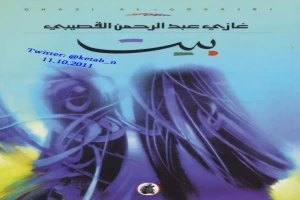
بيت PDF - Ghazi Algosaibi
Ghazi Algosaibi • Literary novels • 160 Pages
(0)
Author
Ghazi AlgosaibiCategory
literatureSection
Number Of Downloads
44
Number Of Reads
78
File Size
1.44 MB
Views
1,109
Quate
Review
Save
Share
Book Description
كتاب "بيت" للكاتب السعودي غازي القصيبي يُنسب إلى الأعمال الأدبية ذات الطابع الرمزي التي تعكس اهتمامه المعتاد بالقضايا الاجتماعية والإنسانية والعلاقة بين الفرد والمجتمع داخل السياق العربي الحديث. غير أن هذا العنوان تحديدًا يحيط به قدر من الالتباس الببليوغرافي، إذ لا تتوفر معلومات موثقة بشكل واسع حول طبعة واحدة محددة أو سنة نشر متفق عليها، كما هو الحال مع رواياته الأشهر مثل “شقة الحرية” أو “العصفورية”. لذلك، يُنظر إلى “بيت” بوصفه نصًا أدبيًا يُتداول ضمن إنتاجه الرمزي أو ضمن مجموعات أعماله التي تناولت فكرة المكان بوصفه استعارة للحياة والهوية والانتماء.
غازي القصيبي، الذي جمع بين الأدب والعمل الدبلوماسي والوزاري، كان أحد أبرز الأصوات الأدبية في الخليج العربي خلال النصف الثاني من القرن العشرين وبداية القرن الحادي والعشرين. وقد تميز أسلوبه بالجمع بين السخرية الاجتماعية والطرح الفلسفي المباشر أحيانًا، مع ميل واضح إلى نقد البيروقراطية والازدواجية الاجتماعية، إضافة إلى اهتمامه بتفكيك العلاقات الإنسانية داخل المؤسسات والعائلات والمجتمع. في هذا السياق، يمكن فهم “بيت” باعتباره امتدادًا رمزيًا لفكرة “المكان المغلق” الذي يعكس العالم الخارجي بصورة مصغرة.
الفكرة العامة المرتبطة بعمل يحمل عنوان “بيت” في سياق إنتاج القصيبي تدور عادة حول مفهوم البيت بوصفه أكثر من مجرد بناء مادي؛ فهو مساحة للذاكرة، والصراع، والسلطة، والانتماء، وأحيانًا الانكسار. البيت في الأدب العربي الحديث غالبًا ما يتحول إلى رمز للهوية الفردية والجماعية، وقد استخدمه عدد من الكتّاب لتصوير التحولات الاجتماعية السريعة في المجتمعات الخليجية مع الطفرة الاقتصادية والتغيرات الثقافية. في هذا الإطار، يمكن قراءة النص باعتباره محاولة لاستكشاف العلاقة بين الاستقرار الظاهري والتوترات الداخلية التي تعيشها الشخصيات داخل فضاء مغلق.
من حيث المحتوى السردي، يتسم أسلوب القصيبي عادة بالوضوح المباشر مع حضور قوي للحوار الداخلي والخارجي، إضافة إلى نزعة تحليلية للشخصيات أكثر من التركيز على الأحداث المتسلسلة فقط. وغالبًا ما تُبنى نصوصه على مواقف إنسانية تكشف تناقضات الشخصية العربية المعاصرة بين الطموح الفردي والقيود الاجتماعية. وإذا كان “بيت” ينتمي إلى هذا النسق، فهو يقدم رؤية تأملية في معنى الانتماء وما يعنيه أن يكون الإنسان “داخل” مكان يبدو آمنًا لكنه محمل بالتوترات.
هذا العمل قد يكون مناسبًا للقراء المهتمين بالأدب العربي الحديث الذي يمزج بين النقد الاجتماعي والتحليل النفسي للشخصيات. كما يناسب القراء الذين يفضلون النصوص الرمزية التي تفتح المجال للتأويل بدل تقديم حبكة تقليدية مغلقة. أما القراء الباحثون عن سرد قصصي سريع أو أحداث درامية متصاعدة بشكل واضح فقد لا يجدون فيه نفس الإيقاع الروائي الذي توفره الروايات ذات البناء التقليدي.
من نقاط القوة في الأعمال المرتبطة بغازي القصيبي عادةً قدرته على التقاط تفاصيل الحياة اليومية وتحويلها إلى أسئلة فكرية أوسع، إضافة إلى لغته العربية الرصينة التي تجمع بين البساطة والعمق. كما يمتاز بجرأته في طرح موضوعات حساسة تتعلق بالمجتمع والسلطة والعلاقات الإنسانية. في المقابل، قد يُؤخذ على بعض نصوصه الميل إلى المباشرة في الطرح أو كثافة الأفكار على حساب البناء الروائي المتماسك في بعض المواضع.
ما يميز هذا النوع من الأعمال عن غيره في الأدب الخليجي هو أنه لا يكتفي بسرد قصة، بل يحاول تفكيك البنية الاجتماعية من الداخل عبر رموز بسيطة مثل “البيت”، الذي يتحول إلى نموذج مصغر للعالم. هذه الخاصية تمنح النص بعدًا فكريًا يجعله أقرب إلى الأدب التأملي منه إلى الرواية التقليدية.
من حيث القيمة القرائية، يمكن القول إن قراءة “بيت” مفيدة لمن يريد فهم تطور الأدب السعودي الحديث، وخاصة مرحلة التحول من الأدب الوصفي إلى الأدب النقدي الذي يعالج قضايا الإنسان داخل المجتمع المعاصر. كما أنه يقدم مدخلًا جيدًا لفهم مشروع غازي القصيبي الأدبي الذي يجمع بين التجربة السياسية والإنسانية.
أما على مستوى الجوائز، فلا توجد إشارات واضحة إلى حصول هذا العمل تحديدًا على جوائز أدبية كبرى، لكن غازي القصيبي نفسه حصل على تقدير واسع في الأوساط الثقافية العربية، ويُعد من أبرز الشخصيات الأدبية والدبلوماسية تأثيرًا في الخليج.
في المحصلة، يمكن اعتبار “بيت” نصًا ينتمي إلى عالم غازي القصيبي الرمزي الذي يربط بين المكان والإنسان، ويستخدم البنية البسيطة ظاهريًا لطرح أسئلة عميقة حول الهوية والانتماء والتحولات الاجتماعية، مما يجعله عملًا يستحق القراءة ضمن سياق الأدب العربي الحديث.
Ghazi Algosaibi
Ghazi Al Gosaibi is widely recognized as one of the most influential Saudi Arabian literary figures, diplomats, and statesmen of the modern era. Ghazi Al Gosaibi stands out not only as a prolific novelist and poet but also as a highly respected public intellectual whose career spanned government service, diplomacy, and cultural commentary. His unique ability to move between literature and politics made him a rare figure in the Arab world, where he successfully combined artistic expression with high-level administrative responsibilities, shaping both cultural discourse and public policy in Saudi Arabia for several decades.
Ghazi Al Gosaibi was born in Al-Ahsa, Saudi Arabia, and pursued his early education in his home country before continuing his higher studies abroad. He earned academic degrees in law and international relations, including studies in the United States and the United Kingdom, which significantly influenced his worldview and writing style. Ghazi Al Gosaibi later completed a PhD in international relations from the University of Southern California, an academic achievement that reinforced his analytical approach to politics and society. This strong educational background allowed him to navigate complex governmental roles while maintaining a distinctive literary voice that resonated across the Arab world.
In his professional career, Ghazi Al Gosaibi held several key ministerial and diplomatic positions in the Saudi government. He served as Minister of Industry and Electricity, Minister of Health, and Minister of Water and Electricity at different stages of his career. He also served as Saudi Arabia’s ambassador to Bahrain and later to the United Kingdom and Ireland. These roles placed him at the center of regional and international diplomacy during critical periods of development and change. Despite the demands of his governmental responsibilities, Ghazi Al Gosaibi continued to write extensively, producing poetry, essays, and novels that reflected his deep concern for human dignity, freedom, governance, and social justice.
As a literary figure, Ghazi Al Gosaibi is best known for his bold and often controversial writings that explore themes such as freedom, identity, political reform, love, exile, and the struggles of modern Arab societies. His novels often blend autobiographical elements with fictional storytelling, creating a powerful narrative style that bridges realism and philosophical reflection. Among his most notable works are novels such as Shiqaq al-Huriyyah (The Apartment of Freedom), Awdat al-Tayr ila al-Bahr (The Return of the Bird to the Sea), and Abu Shalakh al-Barma'i. These works are celebrated for their emotional depth, social critique, and stylistic elegance, and they have been widely studied in Arabic literature courses across universities.
Ghazi Al Gosaibi was also a gifted poet whose poetry collections reflect a deep sensitivity to human emotion and existential questions. His poetry often expresses themes of longing, patriotism, loss, and the search for meaning in a rapidly changing world. Unlike many traditional poets, he adopted a modern tone that blended classical Arabic poetic forms with contemporary concerns, making his work accessible to both academic and general audiences.
Beyond literature and politics, Ghazi Al Gosaibi was known for his strong personality and outspoken views. He often addressed sensitive social and political issues in his writings, which sometimes led to controversy, yet also earned him widespread respect as a courageous intellectual voice. His ability to maintain integrity in both his governmental roles and literary pursuits contributed to his enduring legacy.
Ghazi Al Gosaibi passed away in 2010, but his influence continues to be felt across the Arab cultural and political landscape. He remains a symbol of the modern Arab intellectual who bridges the gap between governance and artistic expression. His works continue to inspire new generations of writers, thinkers, and readers who seek to understand the complexities of Arab identity and modernity.
Earn Rewards While Reading!
Every 10 pages you read and spent 30 seconds on every page, earns you 5 reward points! Keep reading to unlock achievements and exclusive benefits.
Read
Rate Now
5 Stars
4 Stars
3 Stars
2 Stars
1 Stars
بيت Quotes
Top Rated
Latest
Quate
Be the first to leave a quote and earn 10 points
instead of 3
'%20/%3e%3c/svg%3e "حياة في الإدارة")
Comments
Be the first to leave a comment and earn 5 points
instead of 3