

The source of the book
This book is published for the public benefit under a Creative Commons license, or with the permission of the author or publisher. If you have any objections to its publication, please contact us.
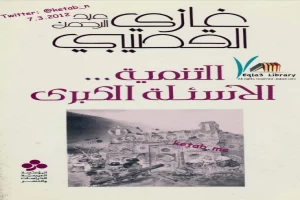
التنمية: الأسئلة الكبرى PDF - Ghazi Algosaibi
Ghazi Algosaibi • Economy • 136 Pages
(0)
Author
Ghazi AlgosaibiCategory
Social sciencesSection
Number Of Downloads
59
Number Of Reads
77
File Size
2.52 MB
Views
1,203
Quate
Review
Save
Share
Book Description
كتاب “التنمية: الأسئلة الكبرى” للكاتب السعودي غازي القصيبي هو عمل فكري يتناول قضايا التنمية من منظور نقدي وتحليلي، ويعكس اهتمام المؤلف العميق بمسألة التحديث في العالم العربي، خصوصًا في ظل التحولات الاقتصادية والاجتماعية التي شهدتها المنطقة في أواخر القرن العشرين. صدر الكتاب ضمن طبعات عربية متعددة في تسعينيات القرن العشرين تقريبًا، وتناقلته أكثر من دار نشر عربية في سياق الاهتمام المتزايد بأدبيات التنمية والإدارة العامة والفكر الإصلاحي، لذلك قد تختلف بيانات النشر الدقيقة من طبعة إلى أخرى.
يركّز الكتاب على فكرة أساسية مفادها أن التنمية ليست مجرد خطط اقتصادية أو مشاريع بنية تحتية، بل هي عملية شاملة تمس الإنسان والمجتمع والثقافة والتعليم والسياسة. يناقش القصيبي ما يسميه “الأسئلة الكبرى” للتنمية، مثل: لماذا تتقدم بعض المجتمعات وتتأخر أخرى؟ وما دور الدولة في قيادة التنمية؟ وهل يمكن استيراد نماذج جاهزة للتنمية دون مراعاة الخصوصية الثقافية والاجتماعية؟ هذه الأسئلة تُطرح بأسلوب يجمع بين الخبرة العملية للكاتب بوصفه مسؤولًا حكوميًا سابقًا، وبين رؤيته الأدبية التي تميل إلى التحليل النقدي واللغة الواضحة.
يعرض الكتاب مجموعة من المقالات أو الفصول التي تتناول قضايا التنمية من زوايا متعددة، مثل التعليم، والإدارة، والبيروقراطية، والتنمية البشرية، ودور الفكر في صياغة السياسات العامة. لا يعتمد الكتاب على سرد قصصي، بل على مقاربة فكرية تحليلية تعتمد على طرح الإشكالات أكثر من تقديم حلول جاهزة. وهذا ما يمنحه طابعًا تأمليًا يجعله قريبًا من كتب الفكر السياسي والاجتماعي أكثر من كونه كتابًا تقنيًا في الاقتصاد.
الفئة المناسبة لهذا الكتاب تشمل القراء المهتمين بالفكر التنموي، وطلاب العلوم السياسية والإدارة العامة، وصناع القرار، وكذلك القراء الذين يبحثون عن فهم أعمق لتحديات التنمية في العالم العربي. كما قد يجد فيه القارئ العام مادة ثرية تساعده على التفكير النقدي في واقع التنمية بعيدًا عن الخطابات التقليدية.
من أبرز نقاط قوة الكتاب أنه يجمع بين خبرة الكاتب العملية في العمل الحكومي والدبلوماسي وبين حسه الأدبي، ما يمنح النصوص عمقًا ووضوحًا في الوقت نفسه. يتميز أسلوب القصيبي بالبساطة غير المُخِلّة، وبالقدرة على تحويل القضايا المعقدة إلى أفكار قابلة للفهم والنقاش. كما أن طرحه للأسئلة أكثر من تقديمه للأجوبة يجعل القارئ شريكًا في عملية التفكير، لا مجرد متلقٍ للمعلومة.
في المقابل، يمكن اعتبار أحد جوانب الضعف في الكتاب أنه لا يقدم إطارًا نظريًا منهجيًا صارمًا كما تفعل بعض الدراسات الأكاديمية المتخصصة في التنمية. كما أن اعتماده على المقالات التأملية قد يجعل بعض الأجزاء أقل ترابطًا من حيث البناء العلمي الدقيق، وهو ما قد لا يناسب القارئ الباحث عن تحليل اقتصادي إحصائي مباشر.
ما يميز هذا الكتاب عن غيره في مجال التنمية أنه لا يكتفي بتكرار النماذج العالمية، بل يحاول مساءلتها من داخل السياق العربي، مع التركيز على البعد الثقافي والإنساني للتنمية. كما أن حضور شخصية القصيبي نفسه—بوصفه وزيرًا وسفيرًا وكاتبًا—يمنح النص بعدًا واقعيًا نادرًا في هذا النوع من الكتب، حيث يمتزج الفكر بالتجربة.
يمكن القول إن قراءة “التنمية: الأسئلة الكبرى” تستحق الاهتمام، خاصة لمن يرغب في فهم أعمق لإشكاليات التنمية في العالم العربي بعيدًا عن الخطاب السطحي. هو ليس كتابًا يقدم حلولًا جاهزة بقدر ما هو دعوة للتفكير وإعادة طرح الأسئلة، وهو ما يجعله عملًا مهمًا في سياقه الثقافي والفكري. صدر في مرحلة كانت فيها المنطقة العربية تبحث عن نماذج تنموية خاصة بها، بعيدًا عن الاستنساخ الكامل للتجارب الغربية، مما يضعه ضمن أدبيات النقد الإصلاحي والتنمية الفكرية.
لم يحصل الكتاب على جوائز أدبية معروفة بشكل محدد، لكنه يحظى بتقدير ضمن أعمال غازي القصيبي الفكرية التي أثرت المكتبة العربية في مجالات الأدب والإدارة والتنمية، ويظل مرجعًا مهمًا لفهم رؤية أحد أبرز المثقفين العرب في قضايا التحديث والتنمية.
Ghazi Algosaibi
Ghazi Al Gosaibi is widely recognized as one of the most influential Saudi Arabian literary figures, diplomats, and statesmen of the modern era. Ghazi Al Gosaibi stands out not only as a prolific novelist and poet but also as a highly respected public intellectual whose career spanned government service, diplomacy, and cultural commentary. His unique ability to move between literature and politics made him a rare figure in the Arab world, where he successfully combined artistic expression with high-level administrative responsibilities, shaping both cultural discourse and public policy in Saudi Arabia for several decades.
Ghazi Al Gosaibi was born in Al-Ahsa, Saudi Arabia, and pursued his early education in his home country before continuing his higher studies abroad. He earned academic degrees in law and international relations, including studies in the United States and the United Kingdom, which significantly influenced his worldview and writing style. Ghazi Al Gosaibi later completed a PhD in international relations from the University of Southern California, an academic achievement that reinforced his analytical approach to politics and society. This strong educational background allowed him to navigate complex governmental roles while maintaining a distinctive literary voice that resonated across the Arab world.
In his professional career, Ghazi Al Gosaibi held several key ministerial and diplomatic positions in the Saudi government. He served as Minister of Industry and Electricity, Minister of Health, and Minister of Water and Electricity at different stages of his career. He also served as Saudi Arabia’s ambassador to Bahrain and later to the United Kingdom and Ireland. These roles placed him at the center of regional and international diplomacy during critical periods of development and change. Despite the demands of his governmental responsibilities, Ghazi Al Gosaibi continued to write extensively, producing poetry, essays, and novels that reflected his deep concern for human dignity, freedom, governance, and social justice.
As a literary figure, Ghazi Al Gosaibi is best known for his bold and often controversial writings that explore themes such as freedom, identity, political reform, love, exile, and the struggles of modern Arab societies. His novels often blend autobiographical elements with fictional storytelling, creating a powerful narrative style that bridges realism and philosophical reflection. Among his most notable works are novels such as Shiqaq al-Huriyyah (The Apartment of Freedom), Awdat al-Tayr ila al-Bahr (The Return of the Bird to the Sea), and Abu Shalakh al-Barma'i. These works are celebrated for their emotional depth, social critique, and stylistic elegance, and they have been widely studied in Arabic literature courses across universities.
Ghazi Al Gosaibi was also a gifted poet whose poetry collections reflect a deep sensitivity to human emotion and existential questions. His poetry often expresses themes of longing, patriotism, loss, and the search for meaning in a rapidly changing world. Unlike many traditional poets, he adopted a modern tone that blended classical Arabic poetic forms with contemporary concerns, making his work accessible to both academic and general audiences.
Beyond literature and politics, Ghazi Al Gosaibi was known for his strong personality and outspoken views. He often addressed sensitive social and political issues in his writings, which sometimes led to controversy, yet also earned him widespread respect as a courageous intellectual voice. His ability to maintain integrity in both his governmental roles and literary pursuits contributed to his enduring legacy.
Ghazi Al Gosaibi passed away in 2010, but his influence continues to be felt across the Arab cultural and political landscape. He remains a symbol of the modern Arab intellectual who bridges the gap between governance and artistic expression. His works continue to inspire new generations of writers, thinkers, and readers who seek to understand the complexities of Arab identity and modernity.
Earn Rewards While Reading!
Every 10 pages you read and spent 30 seconds on every page, earns you 5 reward points! Keep reading to unlock achievements and exclusive benefits.
Read
Rate Now
5 Stars
4 Stars
3 Stars
2 Stars
1 Stars
التنمية: الأسئلة الكبرى Quotes
Top Rated
Latest
Quate
Be the first to leave a quote and earn 10 points
instead of 3
'%20/%3e%3c/svg%3e "حياة في الإدارة")
Comments
Be the first to leave a comment and earn 5 points
instead of 3