

The source of the book
This book is published for the public benefit under a Creative Commons license, or with the permission of the author or publisher. If you have any objections to its publication, please contact us.
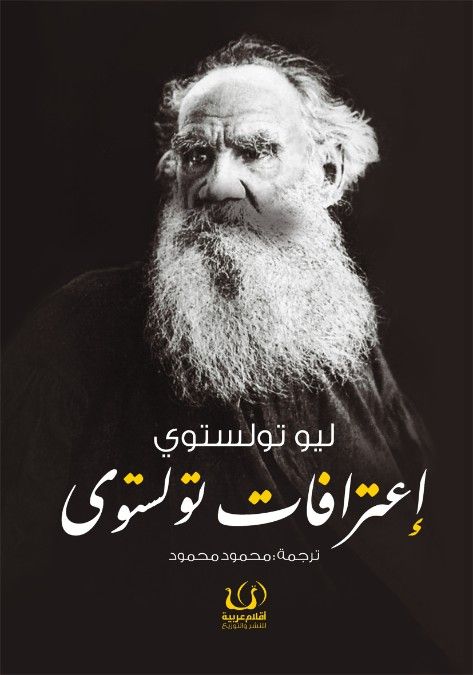
اعترافات تولستوي PDF - Leo Tolstoy
Leo Tolstoy • Diary • 130 Pages
(0)
Author
Leo TolstoyCategory
HistorySection
Number Of Downloads
55
Number Of Reads
298
File Size
4.00 MB
Views
1,841
Quate
Review
Save
Share
Book Description
ليو تولستوي هو أحد أعظم الكتّاب في تاريخ الأدب العالمي، وروائي روسي بارز ارتبط اسمه بالرواية الواقعية العميقة وبالأسئلة الكبرى التي تمس الإنسان في جوهر وجوده، مثل معنى الحياة، وطبيعة الإيمان، وصراع الضمير، وحدود الحرية، وقيمة الحب، ومأساة الحرب، ومسؤولية الفرد أمام نفسه وأمام المجتمع. اشتهر تولستوي بأعماله الروائية الخالدة، وفي مقدمتها «الحرب والسلام» و«آنا كارنينا»، وهما من أهم الروايات التي قدّمت صورة واسعة للحياة الروسية والإنسانية في آن واحد، حيث جمع فيهما بين السرد الملحمي، والتحليل النفسي الدقيق، والتأمل الفلسفي، وتصوير العلاقات الاجتماعية والعائلية بمنتهى الحساسية والعمق. غير أن أهمية تولستوي لا تقتصر على كونه روائيا عظيما، بل تمتد إلى كونه مفكرا أخلاقيا وروحيا ظل طوال حياته يبحث عن الحقيقة الداخلية التي تمنح الإنسان سلاما ومعنى. ويُعد كتاب «اعترافات تولستوي» من أبرز النصوص التي تكشف هذا الجانب العميق من شخصيته، فهو ليس عملا روائيا بالمعنى التقليدي، بل نص تأملي صادق يروي فيه الكاتب أزمته الروحية والفكرية، ويعرض رحلة قاسية من الشك والقلق والفراغ إلى البحث عن الإيمان والمعنى. في هذا الكتاب يواجه تولستوي نفسه بلا تزييف، ويسأل أسئلة جذرية عن الموت، والنجاح، والشهرة، والثروة، والمعرفة، والغاية من الحياة. فقد بلغ الكاتب في حياته مكانة أدبية واجتماعية كبرى، وحقق شهرة لا يحظى بها إلا القليل من المؤلفين، ومع ذلك شعر بأن هذه المكانة لا تكفي للإجابة عن السؤال الأكثر إلحاحا: لماذا يعيش الإنسان إذا كان الموت ينتظره في النهاية؟ من هنا تأتي قوة «اعترافات تولستوي»، لأنه كتاب لا يتحدث عن فكرة مجردة، بل عن تجربة إنسانية صادقة عاشها مؤلف كبير امتلك كل أسباب المجد الخارجي، ثم اكتشف أن المجد لا يملأ الفراغ الروحي. يتميز أسلوب تولستوي في هذا العمل بالوضوح والصدق والجرأة، فهو لا يحاول أن يظهر بمظهر الحكيم الذي يمتلك الجواب النهائي، بل يقدّم نفسه إنسانا مضطربا، خائفا، باحثا، مترددا، ومحتاجا إلى نور داخلي يعيد للحياة قيمتها. وقد جعل هذا الصدق الكتاب قريبا من القراء في مختلف الأزمنة، لأن الأسئلة التي يطرحها لا تخص الكاتب وحده، بل تخص كل إنسان مرّ بلحظة شك أو شعر بأن الحياة اليومية والعمل والنجاح والعلاقات لا تكفي وحدها لصنع معنى حقيقي. يرتبط «اعترافات تولستوي» أيضا بتحول مهم في مسيرة الكاتب، إذ بدأ بعده يتجه أكثر إلى الكتابة الأخلاقية والدينية والنقد الاجتماعي، وراح يراجع علاقته بالملكية والسلطة والعنف والمؤسسات الدينية والحياة الأرستقراطية التي نشأ فيها. وقد دعا في أفكاره اللاحقة إلى البساطة، واللاعنف، ونقاء الضمير، والعودة إلى القيم الأخلاقية العملية بدلا من الاكتفاء بالمظاهر الاجتماعية أو الشعائر الخالية من الروح. إن قراءة ليو تولستوي من خلال «اعترافات تولستوي» تمنح القارئ مدخلا مختلفا إلى عالمه؛ فهي تكشف الإنسان خلف الروائي العظيم، وتوضح أن الأدب عنده لم يكن مجرد فن للمتعة أو الحكاية، بل وسيلة لفهم الذات، ومساءلة الحياة، والبحث عن طريق أكثر صدقا وعدلا ورحمة. لذلك يظل تولستوي اسما أساسيا في المكتبات ودور النشر والدراسات الأدبية والفكرية، لأنه جمع بين عبقرية الفنان وقلق المفكر وصدق الباحث عن الخلاص. ومن يقرأ هذا الكتاب يدرك أن قيمة تولستوي الحقيقية لا تكمن فقط في روائعه الكبرى، بل في شجاعته النادرة على الاعتراف بالضعف الإنساني، وطرح الأسئلة التي يخشاها كثيرون، وتحويل التجربة الشخصية إلى نص عالمي يمس القارئ في أعماقه ويدعوه إلى إعادة النظر في معنى حياته واختياراته وإيمانه وضميره.
Leo Tolstoy
Leo Tolstoy is one of the most influential writers in world literature, a Russian novelist, moral thinker, and social critic whose work helped define the possibilities of the modern novel. Born into an aristocratic family in Russia, he grew up close to the rural estate life that later became central to his imagination, his ethical concerns, and his understanding of class, labor, family, faith, and personal responsibility. Tolstoy is best known for the monumental novels War and Peace and Anna Karenina, two works that continue to stand among the highest achievements of literary realism. His fiction is celebrated not merely for its scale, but for its extraordinary ability to portray human consciousness, social pressure, moral confusion, and the hidden movement of history through the lives of individuals. In War and Peace, Tolstoy transforms the historical novel into a vast meditation on war, fate, leadership, memory, and ordinary human experience. He portrays the Napoleonic era not as a simple sequence of heroic decisions, but as a complex web of personal choices, accidents, social customs, emotions, and forces beyond the control of any single ruler or general. In Anna Karenina, he offers one of literature’s most penetrating studies of love, marriage, desire, jealousy, social judgment, and spiritual hunger, creating characters whose inner lives feel immediate, contradictory, and painfully human. Tolstoy’s narrative style combines simplicity with depth: he can describe a ballroom, a battlefield, a family quarrel, a harvest, or a moment of private doubt with such precision that each scene becomes a window into moral and psychological truth. His characters are memorable because they are never reduced to symbols; they change, hesitate, deceive themselves, seek forgiveness, suffer, and grow. Beyond his novels, Tolstoy wrote short fiction, essays, autobiographical works, religious reflections, and educational writings that reveal a lifelong struggle to reconcile art, conscience, and everyday life. In his later years, he became increasingly concerned with questions of nonviolence, poverty, property, organized religion, and the ethical meaning of Christianity. His critique of violence and his insistence on moral self-examination influenced readers far beyond Russia and helped shape later discussions of peaceful resistance, social reform, and spiritual simplicity. As an author for book lovers, Tolstoy remains essential because his works speak to both private feeling and public history. He examines the intimate life of families while also asking how nations move toward war, how societies punish those who break their rules, and how individuals can live truthfully in a world built on pride, ambition, and illusion. His influence can be felt in modern realism, psychological fiction, historical narrative, philosophical literature, and moral essays. Readers return to Tolstoy because his books do not offer easy answers; they invite deep attention to life itself. He writes about birth, death, love, work, faith, conflict, and forgiveness with a seriousness that makes ordinary experience feel immense. Leo Tolstoy’s legacy endures because he created literature that is both artistically powerful and ethically demanding, literature that asks every generation to reconsider what it means to live honestly, love responsibly, and search for meaning in a complicated world.
Earn Rewards While Reading!
Every 10 pages you read and spent 30 seconds on every page, earns you 5 reward points! Keep reading to unlock achievements and exclusive benefits.
Read
Rate Now
5 Stars
4 Stars
3 Stars
2 Stars
1 Stars
اعترافات تولستوي Quotes
Top Rated
Latest
Quate
Be the first to leave a quote and earn 10 points
instead of 3
'%20/%3e%3c/svg%3e "إنجيل تولستوي وديانته")
Comments
Be the first to leave a comment and earn 5 points
instead of 3