

The source of the book
This book is published for the public benefit under a Creative Commons license, or with the permission of the author or publisher. If you have any objections to its publication, please contact us.
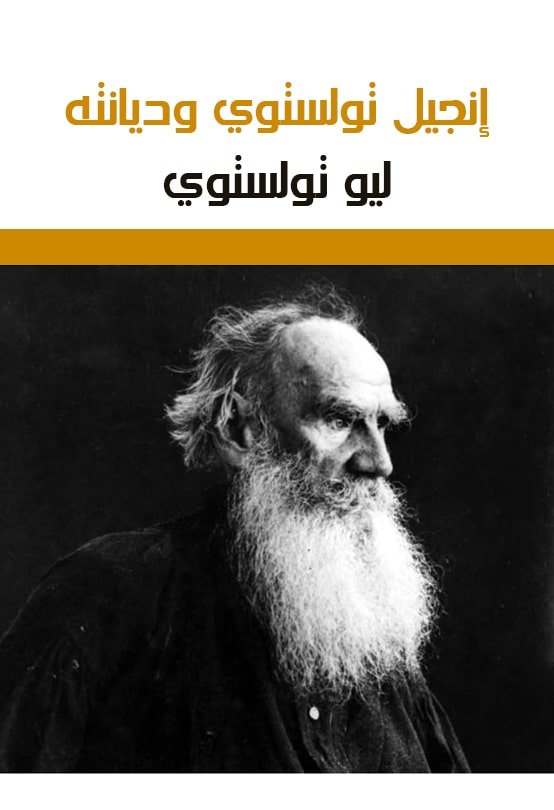
إنجيل تولستوي وديانته PDF - Leo Tolstoy
Leo Tolstoy • Christianity • 158 Pages
(0)
Author
Leo TolstoyCategory
ReligionsSection
Number Of Downloads
56
Number Of Reads
323
File Size
3.03 MB
Views
1,819
Quate
Review
Save
Share
Book Description
ليو تولستوي هو أحد أعظم الأدباء والمفكرين في تاريخ الأدب الروسي والعالمي، وواحد من الكتّاب الذين تجاوز حضورهم حدود الرواية والفن ليصبحوا صوتًا فكريًا وأخلاقيًا مؤثرًا في قضايا الإنسان، والدين، والعدالة، والعنف، والضمير. وُلد تولستوي في روسيا في القرن التاسع عشر، وعاش حياة امتدت بين الامتياز الأرستقراطي والتجربة العسكرية والتأمل الفلسفي العميق، ثم انتهت إلى مشروع روحي وأخلاقي جعله من أكثر الشخصيات إثارة للنقاش في الثقافة الحديثة. اشتهر تولستوي عالميًا برواياته الكبرى مثل «الحرب والسلام» و«آنا كارنينا» و«البعث»، وهي أعمال جمعت بين الاتساع التاريخي، والتحليل النفسي الدقيق، وتصوير المجتمع الروسي في طبقاته المختلفة، والبحث العميق عن معنى الحياة ومصير الإنسان. غير أن أهمية تولستوي لا تقف عند كونه روائيًا عبقريًا فقط، بل تمتد إلى كونه مفكرًا أخلاقيًا حاول أن يعيد قراءة الإيمان والحياة بعيدًا عن السلطة والمؤسسة والتقاليد الجامدة. ومن هنا تبرز أهمية كتاب «إنجيل تولستوي وديانته»، لأنه يعكس جانبًا أساسيًا من تحوله الفكري والروحي، ويكشف عن موقفه من الدين كما فهمه بوصفه طريقًا عمليًا للحق، والمحبة، ونبذ العنف، والتواضع، والرجوع إلى جوهر التعاليم الأخلاقية. في هذا الكتاب يظهر تولستوي لا بوصفه أديبًا ينسج الحكايات فقط، بل بوصفه إنسانًا قلقًا أمام أسئلة الخلاص، والموت، والخطيئة، والسلطة الدينية، ومعنى الإيمان الصادق. لقد رأى أن الدين ينبغي ألا يكون مجرد طقوس أو صيغ عقائدية أو انتماء اجتماعي، بل ينبغي أن يكون سلوكًا حيًا يغيّر الإنسان من الداخل، ويدفعه إلى الرحمة، والصدق، والامتناع عن إيذاء الآخرين. ولهذا أثارت أفكاره جدلًا واسعًا، لأنها اصطدمت بتصورات الكنيسة الرسمية وبالبنى الدينية والسياسية التي كانت ترى في الدين نظامًا للطاعة والانضباط أكثر من كونه تجربة ضمير حرة. يتميز تولستوي في كتاباته الدينية والفكرية بأسلوب واضح ومباشر، لكنه لا يخلو من العمق والصرامة، فهو لا يطرح الأسئلة من باب الجدل النظري فقط، بل من باب الحاجة الوجودية إلى معنى يبرر الحياة ويهدي السلوك. وقد انعكس هذا القلق في أعمال أخرى له مثل «اعترافاتي» و«ما الفن؟» و«ملكوت الله في داخلكم»، حيث ناقش علاقة الإنسان بالله، ومسؤولية الفرد أمام ضميره، ومشكلة العنف، وقيمة الفن، وضرورة تحرير الإيمان من الزيف الاجتماعي. ويجعل هذا كله من تولستوي كاتبًا مناسبًا للقراء الذين يبحثون عن أدب يتجاوز المتعة السردية إلى التفكير العميق في مصير الإنسان. أما كتاب «إنجيل تولستوي وديانته» فيقدّم للقارئ مدخلًا مهمًا إلى رؤيته الخاصة للمسيحية، إذ يحاول أن يقترب من الرسالة الأخلاقية التي كان يرى أنها جوهر تعاليم المسيح، مع التركيز على المحبة، والبساطة، ومقاومة الشر بالخير، ورفض العنف، والتحرر من عبادة المظاهر. وتنبع قوة هذا الكتاب من أنه لا يقدّم تولستوي واعظًا تقليديًا، بل مفكرًا متمردًا على النفاق، وباحثًا عن حقيقة دينية تنسجم مع العقل والضمير. لذلك يُعد ليو تولستوي مؤلفًا فريدًا يجمع بين عظمة الروائي، وقلق الفيلسوف، وجرأة المصلح الأخلاقي، وتظل كتبه، ومنها «إنجيل تولستوي وديانته»، ذات قيمة كبيرة لكل قارئ يريد أن يفهم العلاقة بين الأدب والإيمان، وبين الفن والحياة، وبين الحرية الداخلية والمسؤولية الأخلاقية.
Leo Tolstoy
Leo Tolstoy is one of the most influential writers in world literature, a Russian novelist, moral thinker, and social critic whose work helped define the possibilities of the modern novel. Born into an aristocratic family in Russia, he grew up close to the rural estate life that later became central to his imagination, his ethical concerns, and his understanding of class, labor, family, faith, and personal responsibility. Tolstoy is best known for the monumental novels War and Peace and Anna Karenina, two works that continue to stand among the highest achievements of literary realism. His fiction is celebrated not merely for its scale, but for its extraordinary ability to portray human consciousness, social pressure, moral confusion, and the hidden movement of history through the lives of individuals. In War and Peace, Tolstoy transforms the historical novel into a vast meditation on war, fate, leadership, memory, and ordinary human experience. He portrays the Napoleonic era not as a simple sequence of heroic decisions, but as a complex web of personal choices, accidents, social customs, emotions, and forces beyond the control of any single ruler or general. In Anna Karenina, he offers one of literature’s most penetrating studies of love, marriage, desire, jealousy, social judgment, and spiritual hunger, creating characters whose inner lives feel immediate, contradictory, and painfully human. Tolstoy’s narrative style combines simplicity with depth: he can describe a ballroom, a battlefield, a family quarrel, a harvest, or a moment of private doubt with such precision that each scene becomes a window into moral and psychological truth. His characters are memorable because they are never reduced to symbols; they change, hesitate, deceive themselves, seek forgiveness, suffer, and grow. Beyond his novels, Tolstoy wrote short fiction, essays, autobiographical works, religious reflections, and educational writings that reveal a lifelong struggle to reconcile art, conscience, and everyday life. In his later years, he became increasingly concerned with questions of nonviolence, poverty, property, organized religion, and the ethical meaning of Christianity. His critique of violence and his insistence on moral self-examination influenced readers far beyond Russia and helped shape later discussions of peaceful resistance, social reform, and spiritual simplicity. As an author for book lovers, Tolstoy remains essential because his works speak to both private feeling and public history. He examines the intimate life of families while also asking how nations move toward war, how societies punish those who break their rules, and how individuals can live truthfully in a world built on pride, ambition, and illusion. His influence can be felt in modern realism, psychological fiction, historical narrative, philosophical literature, and moral essays. Readers return to Tolstoy because his books do not offer easy answers; they invite deep attention to life itself. He writes about birth, death, love, work, faith, conflict, and forgiveness with a seriousness that makes ordinary experience feel immense. Leo Tolstoy’s legacy endures because he created literature that is both artistically powerful and ethically demanding, literature that asks every generation to reconsider what it means to live honestly, love responsibly, and search for meaning in a complicated world.
Earn Rewards While Reading!
Every 10 pages you read and spent 30 seconds on every page, earns you 5 reward points! Keep reading to unlock achievements and exclusive benefits.
Read
Rate Now
5 Stars
4 Stars
3 Stars
2 Stars
1 Stars
إنجيل تولستوي وديانته Quotes
Top Rated
Latest
Quate
Be the first to leave a quote and earn 10 points
instead of 3
'%20/%3e%3c/svg%3e "اعترافات تولستوي")
Comments
Be the first to leave a comment and earn 5 points
instead of 3