
The source of the book
This book is not currently available for publication. We obtained it from under a Creative Commons license, but the author or publishing house has not granted permission for its publication.
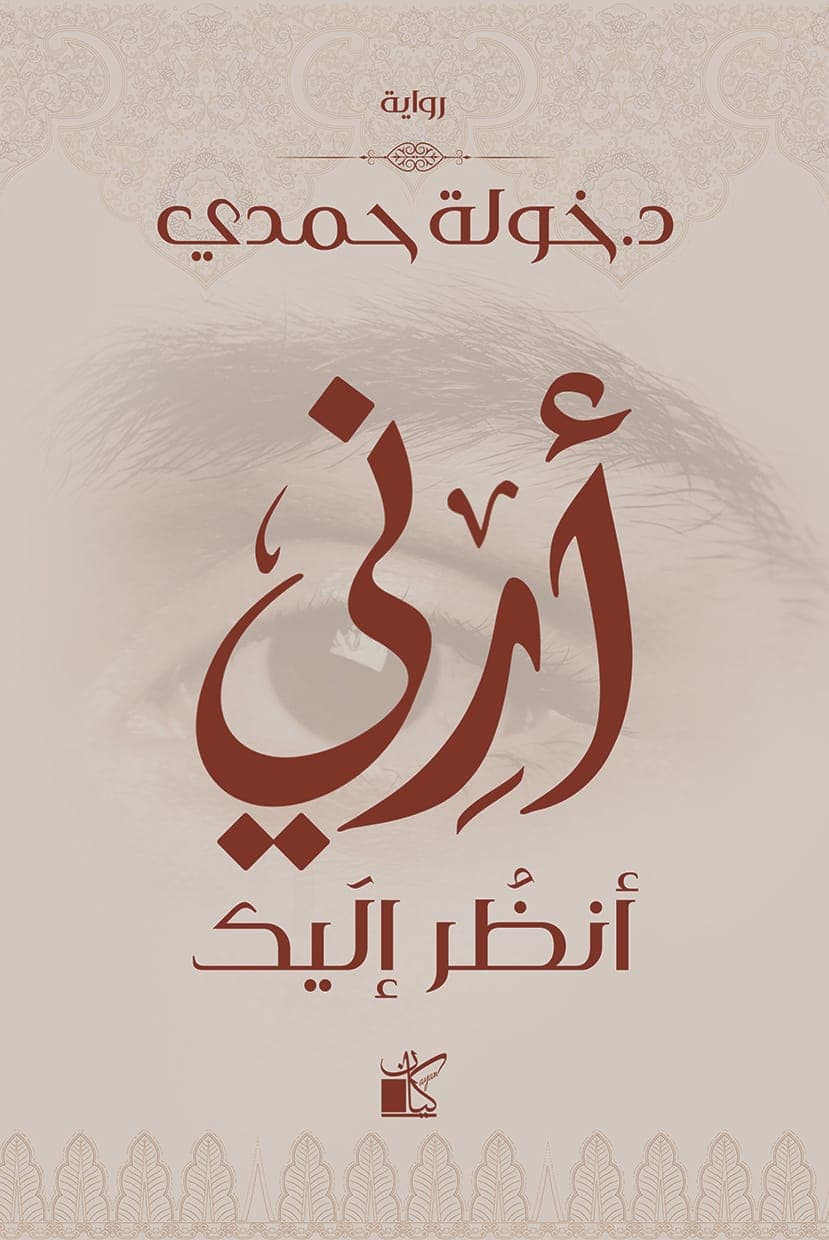
أرني أنظر إليك PDF - Khawla Hamdi
Khawla Hamdi • Literary novels • 405 Pages
(0)
Quate
Review
Save
Share
Book Description
أرني أنظر إليك هي رواية إنسانية وعاطفية عميقة للكاتبة التونسية خولة حمدي، صدرت في عام 2021، وتُعد واحدة من أبرز أعمالها التي تمزج فيها بين البُعد الديني، والاجتماعي، والنفسي، بأسلوب أدبي مميز يمسّ القلوب ويثير التفكير.
ملخص الرواية
تحكي الرواية قصة فتاة تُدعى ليلى، عمياء، لكنها تملك بصيرة داخلية حادة وشخصية قوية، تعيش في عالم مختلف عن من حولها. تقودنا الرواية في رحلة داخلية تمزج بين الألم، والحب، والإيمان، والتحدي، وتكشف عن معاني الرؤية الحقيقية التي لا تعتمد على البصر بل على الإدراك والبصيرة.
تسير الأحداث حول العلاقة بين ليلى وشاب يُدعى عمر، تتقاطع طرقهما في ظروف استثنائية، وتبدأ بينهما رحلة اكتشاف الذات والآخر. تتناول الرواية قضايا مثل فقدان الحواس، قوة الإرادة، معنى الجمال الحقيقي، ومفهوم الحب من منظور روحي لا مادي.
الأسلوب الأدبي
تمتاز الرواية بأسلوب خولة المعتاد: السرد العاطفي المشحون بالمشاعر، اللغة الفصيحة السلسة، والنقل الهادئ للأفكار العميقة. تحرص الكاتبة على إيصال رسالة إنسانية في كل سطر، وتجعل القارئ يعيد النظر في مفاهيم كان يظنها واضحة.
نبذة من رواية أرني أنظر أليك
تتلاشى نفسك، وعيناك تبحثان بحذر عن قمم الجبال الشامخة التي ترتفع أمامك. لسانك يجف، وكلماتك تتعثر. منذ متى لم تخصص وقتًا للمحادثة معه؟ قرارك الأخير بالتفكير في الخالق بدأ يثقل على كاهلك، معلقًا في الهواء. كم ليلة قضيتها في الصمت، دون أن تجد إجابة لصلواتك، ورغم محاولاتك الجادة؟ هل نسيت كيفية التواصل مع الله؟ أم أنك لا تعرف سوى الطرق التقليدية والمألوفة؟ لقد كنت يومًا ما مثل رجل يائس على جزيرة مهجورة، فهل تستطيع أن تكون الليلة مثل موسى؟
بصوت هامس وكئيب، تدعو الله بتوجس، حتى وإن كنت الوحيد الذي يسمع صوتك في هذا الصمت المطبق حولك. ومع ذلك، تدرك بيقين أنه يرصد كل حركة وكلمة، وأنه لا يفوته أي تفصيل من أفكارك وأمانيك. كلماتك تنساب بترتيب غير مرتب وبلغة غير واضحة، تشبه زفيرًا طويلًا ومرهقًا: "يا ربُّ، يا إلهي... يا خالقي... أيا كان اسمك... أرِني واسمح لي أن أرى وجهك."
Khawla Hamdi
Khawla Hamdi is a Tunisian novelist, academic, and Arabic-language author whose work has become widely recognized among contemporary readers interested in fiction that blends emotion, faith, identity, migration, and moral reflection. Born in Tunis in 1984, she belongs to a generation of Arab writers shaped by movement across cultures, higher education, and the complex questions that surround belonging in a globalized world. Her academic path is unusually distinctive for a novelist: she studied industrial engineering, management, and operations research in France before building a professional career as a university professor in information technology. This scientific background gives her literary work a notable sense of structure, balance, and intellectual discipline, while her narrative voice remains warm, accessible, and emotionally engaging. Khawla Hamdi became especially famous through her novel In My Heart a Hebrew Girl, a work that attracted a large readership across the Arab world because of its treatment of religious coexistence, spiritual discovery, love, sacrifice, and the meeting of different communities within a single human story. The novel helped establish her as a writer capable of reaching young and adult readers alike, not through experimental obscurity, but through a clear narrative style that invites reflection and identification. Her fiction often places ordinary people in emotionally difficult circumstances where choices of faith, family, loyalty, homeland, and conscience become central to the plot. In works such as The Exile of Jasmine and To Stay, Khawla Hamdi expands her attention to the experiences of Arab and Muslim migrants in Europe, exploring how displacement affects language, memory, personal confidence, religious practice, and the search for dignity. Her characters frequently struggle between the desire to adapt and the fear of losing themselves, between the promise of a new life and the ache of separation from familiar soil. This recurring concern with exile is one of the reasons her novels resonate strongly with readers who have lived migration directly or who have inherited its emotional consequences through family history. Khawla Hamdi’s writing is also known for its focus on women’s inner lives. Her female characters are often placed at the center of social pressure, cultural misunderstanding, romantic uncertainty, and spiritual questioning, yet they are not reduced to symbols. They doubt, resist, change, forgive, and sometimes make painful decisions that reveal the depth of their humanity. Her style relies on flowing prose, emotionally charged scenes, and a strong sense of moral atmosphere. Rather than presenting faith only as an abstract idea, she often portrays it as a lived experience that shapes small daily choices, private fears, and the way characters understand suffering and hope. This gives her fiction a recognizable place within popular Arabic literature: it is readable and dramatic, but also concerned with questions that many readers consider urgent and personal. As an author, Khawla Hamdi has contributed to the renewed popularity of Arabic novels that address identity from a human and spiritual perspective. Her books are frequently discussed by readers because they combine romance, social issues, religious reflection, and cross-cultural encounters in a form that is easy to enter and difficult to forget. She is not merely a writer of sentimental stories; she is a novelist of borders, whether those borders are between countries, religions, languages, generations, or inner convictions. Her ability to transform such borders into narrative tension explains the lasting appeal of her work. For book websites, reading platforms, and literary catalogs, Khawla Hamdi represents a contemporary Arab author whose name is strongly associated with meaningful storytelling, emotionally rich characters, and novels that speak to readers searching for both narrative pleasure and ethical depth.
Book Currently Unavailable
This book is currently unavailable for publication. We obtained it under a Creative Commons license, but the author or publisher has not granted permission to publish it.
Rate Now
5 Stars
4 Stars
3 Stars
2 Stars
1 Stars
أرني أنظر إليك Quotes
Top Rated
Latest
Quate
Be the first to leave a quote and earn 10 points
instead of 3
'%20/%3e%3c/svg%3e "أين المفر")
Comments
Be the first to leave a comment and earn 5 points
instead of 3