

The source of the book
This book is published for the public benefit under a Creative Commons license, or with the permission of the author or publisher. If you have any objections to its publication, please contact us.
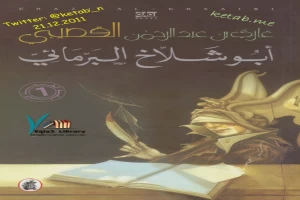
أبو شلاخ البرمائي PDF - Ghazi Algosaibi
Ghazi Algosaibi • Literary novels • 276 Pages
(0)
Author
Ghazi AlgosaibiCategory
literatureSection
Number Of Downloads
67
Number Of Reads
85
File Size
3.34 MB
Views
1,355
Quate
Review
Save
Share
Book Description
تُعد رواية «أبو شلاخ البرمائي» للأديب السعودي غازي عبد الرحمن القصيبي من أشهر الروايات الساخرة في الأدب الخليجي الحديث. صدرت لأول مرة عام 1998 عن المؤسسة العربية للدراسات والنشر، وتمثل نموذجًا بارزًا للرواية التي توظف السخرية لكشف بعض الظواهر الاجتماعية والثقافية. اشتهر غازي القصيبي، الذي جمع بين العمل الدبلوماسي والإداري والإبداع الأدبي، بإنتاجه المتنوع في الرواية والشعر والفكر، وتأتي هذه الرواية ضمن أبرز أعماله التي لا تزال تحظى بانتشار واسع بين القراء العرب.
تدور أحداث الرواية حول شخصية خيالية تُدعى أبو شلاخ البرمائي، وهو رجل يزعم أنه صاحب إنجازات لا تُحصى، ويروي سيرته بطريقة مليئة بالمبالغات والادعاءات التي يصعب تصديقها. ومن خلال هذه الشخصية، يقدم القصيبي عملًا ساخرًا يعتمد على المفارقة والتهكم، حيث تتداخل الحقيقة بالخيال، ويصبح القارئ أمام سلسلة من الحكايات الطريفة التي تكشف نزعة بعض الأشخاص إلى تضخيم الذات واختلاق البطولات والإنجازات.
الفكرة الرئيسية للرواية تتمثل في نقد ظاهرة التفاخر الكاذب وصناعة الأمجاد الوهمية، إلى جانب تسليط الضوء على الميل إلى تصديق القصص غير المنطقية عندما تُروى بأسلوب جذاب. كما يناقش الكاتب بطريقة غير مباشرة بعض القضايا الاجتماعية والثقافية، مثل البحث عن الشهرة، وحب الظهور، وتأثير الحكايات الشعبية والمبالغات في تشكيل صورة الأفراد داخل المجتمع.
يتميز أسلوب غازي القصيبي في هذه الرواية بخفة الظل وسلاسة اللغة والقدرة على المزج بين الفصحى والتعابير ذات الطابع التراثي بما يخدم السياق الساخر. كما ينجح في بناء شخصية لا تُنسى بفضل كثافة المواقف الكوميدية والحوارات الذكية، مما يجعل القراءة ممتعة حتى مع الرسائل النقدية التي تحملها الرواية. ولا يعتمد الكاتب على الوعظ المباشر، بل يترك للقارئ فرصة اكتشاف المعاني الكامنة خلف الأحداث والمواقف.
تُناسب رواية «أبو شلاخ البرمائي» القراء الذين يفضلون الأدب الساخر والروايات الاجتماعية ذات الطابع الكوميدي، كما أنها خيار جيد لمن يرغب في التعرف إلى أسلوب غازي القصيبي الأدبي. وقد لا تكون الخيار الأمثل لمن يبحث عن رواية تعتمد على الإثارة أو الحبكة الدرامية التقليدية، إذ يقوم العمل أساسًا على السخرية وتتابع المواقف أكثر من اعتماده على التشويق.
من أبرز نقاط قوة الرواية قدرتها على الجمع بين الفكاهة والنقد الاجتماعي، إضافة إلى الأسلوب اللغوي الرشيق والشخصيات المرسومة بعناية. أما من نقاط الضعف التي قد يراها بعض القراء، فتتمثل في كثرة المبالغات المقصودة، وهو أمر يخدم طبيعة العمل الساخرة لكنه قد لا ينسجم مع أذواق من يفضلون الواقعية الصارمة.
ما يميز «أبو شلاخ البرمائي» عن كثير من الروايات العربية الساخرة هو نجاحها في توظيف الكوميديا للكشف عن ظواهر إنسانية واجتماعية دون الوقوع في المباشرة أو الخطابة. وقد أصبحت شخصية أبو شلاخ رمزًا للمبالغة والادعاء في الثقافة العربية، وهو ما يعكس الأثر الذي تركته الرواية لدى القراء.
تأتي الرواية في سياق ازدهار الأدب الساخر في المملكة العربية السعودية والعالم العربي خلال العقود الأخيرة، حيث سعى عدد من الكتّاب إلى استخدام السخرية بوصفها وسيلة للنقد والإصلاح الاجتماعي. ورغم أن الرواية لم تُعرف بحصولها على جوائز أدبية كبرى، فإنها تُعد من أكثر أعمال غازي القصيبي شهرةً وانتشارًا، ولا تزال تُقرأ حتى اليوم لما تتمتع به من خفة في الأسلوب وعمق في الفكرة. وبالنسبة لمحبي الأدب الساخر والروايات التي تمزج بين الضحك والتأمل، فإن «أبو شلاخ البرمائي» تستحق القراءة لما تقدمه من تجربة أدبية ممتعة ورسائل إنسانية واجتماعية ما زالت تحتفظ براهنيتها.
Ghazi Algosaibi
Ghazi Al Gosaibi is widely recognized as one of the most influential Saudi Arabian literary figures, diplomats, and statesmen of the modern era. Ghazi Al Gosaibi stands out not only as a prolific novelist and poet but also as a highly respected public intellectual whose career spanned government service, diplomacy, and cultural commentary. His unique ability to move between literature and politics made him a rare figure in the Arab world, where he successfully combined artistic expression with high-level administrative responsibilities, shaping both cultural discourse and public policy in Saudi Arabia for several decades.
Ghazi Al Gosaibi was born in Al-Ahsa, Saudi Arabia, and pursued his early education in his home country before continuing his higher studies abroad. He earned academic degrees in law and international relations, including studies in the United States and the United Kingdom, which significantly influenced his worldview and writing style. Ghazi Al Gosaibi later completed a PhD in international relations from the University of Southern California, an academic achievement that reinforced his analytical approach to politics and society. This strong educational background allowed him to navigate complex governmental roles while maintaining a distinctive literary voice that resonated across the Arab world.
In his professional career, Ghazi Al Gosaibi held several key ministerial and diplomatic positions in the Saudi government. He served as Minister of Industry and Electricity, Minister of Health, and Minister of Water and Electricity at different stages of his career. He also served as Saudi Arabia’s ambassador to Bahrain and later to the United Kingdom and Ireland. These roles placed him at the center of regional and international diplomacy during critical periods of development and change. Despite the demands of his governmental responsibilities, Ghazi Al Gosaibi continued to write extensively, producing poetry, essays, and novels that reflected his deep concern for human dignity, freedom, governance, and social justice.
As a literary figure, Ghazi Al Gosaibi is best known for his bold and often controversial writings that explore themes such as freedom, identity, political reform, love, exile, and the struggles of modern Arab societies. His novels often blend autobiographical elements with fictional storytelling, creating a powerful narrative style that bridges realism and philosophical reflection. Among his most notable works are novels such as Shiqaq al-Huriyyah (The Apartment of Freedom), Awdat al-Tayr ila al-Bahr (The Return of the Bird to the Sea), and Abu Shalakh al-Barma'i. These works are celebrated for their emotional depth, social critique, and stylistic elegance, and they have been widely studied in Arabic literature courses across universities.
Ghazi Al Gosaibi was also a gifted poet whose poetry collections reflect a deep sensitivity to human emotion and existential questions. His poetry often expresses themes of longing, patriotism, loss, and the search for meaning in a rapidly changing world. Unlike many traditional poets, he adopted a modern tone that blended classical Arabic poetic forms with contemporary concerns, making his work accessible to both academic and general audiences.
Beyond literature and politics, Ghazi Al Gosaibi was known for his strong personality and outspoken views. He often addressed sensitive social and political issues in his writings, which sometimes led to controversy, yet also earned him widespread respect as a courageous intellectual voice. His ability to maintain integrity in both his governmental roles and literary pursuits contributed to his enduring legacy.
Ghazi Al Gosaibi passed away in 2010, but his influence continues to be felt across the Arab cultural and political landscape. He remains a symbol of the modern Arab intellectual who bridges the gap between governance and artistic expression. His works continue to inspire new generations of writers, thinkers, and readers who seek to understand the complexities of Arab identity and modernity.
Earn Rewards While Reading!
Every 10 pages you read and spent 30 seconds on every page, earns you 5 reward points! Keep reading to unlock achievements and exclusive benefits.
Read
Rate Now
5 Stars
4 Stars
3 Stars
2 Stars
1 Stars
أبو شلاخ البرمائي Quotes
Top Rated
Latest
Quate
Be the first to leave a quote and earn 10 points
instead of 3
'%20/%3e%3c/svg%3e "حياة في الإدارة")
Comments
Be the first to leave a comment and earn 5 points
instead of 3