
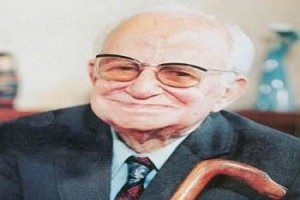
Yahya Haqqi Books PDF
(0)
Books number: 15
Explore all available books and works by Yahya Haqqi , including popular novels, complete collections, and translated titles. This page is regularly updated with new releases and featured works.
Yahya Haqqi is one of the most distinguished figures in modern Egyptian and Arabic literature, widely admired as a novelist, short-story writer, essayist, critic, cultural editor, and refined stylist whose work helped shape the modern Arabic narrative tradition. Born in Cairo in 1905, he grew up close to the rhythms of Egyptian popular life, especially the old neighborhoods whose voices, customs, contradictions, and spiritual atmosphere later became central to his literary imagination. Trained in law, he first worked in the judicial system before joining the diplomatic service, an experience that broadened his cultural outlook and gave him direct contact with different societies, languages, and artistic traditions. This combination of local rootedness and cosmopolitan awareness became one of the defining qualities of his writing. Haqqi’s most celebrated work, “The Saint’s Lamp” or “Qindil Umm Hashim,” remains a landmark of modern Arabic fiction. Through the story of a young Egyptian doctor returning from Europe to the Cairo district of Sayyida Zaynab, the novella explores the complex tension between science and inherited belief, modern education and traditional spirituality, rational reform and emotional loyalty to community. Its enduring power lies in Haqqi’s refusal to treat modernity as a simple victory over the past; instead, he presents it as a moral and cultural challenge that requires compassion, humility, and understanding. Beyond this iconic work, Yahya Haqqi wrote memorable stories such as “The Postman,” “Sleep Well,” “Mother of the Helpless,” and “Blood and Clay,” along with essays that reveal his elegant prose, sharp observation, and deep concern for language, art, and public taste. His literary style is notable for its economy, musicality, gentle irony, psychological insight, and ability to make ordinary details glow with symbolic significance. He was not a writer of excessive ornament; rather, he sought precision, sincerity, and expressive clarity. As an editor and cultural figure, Haqqi also played an influential role in Egypt’s literary life, encouraging younger writers and defending the value of serious artistic expression. His essays often show a critic who loved Arabic deeply while also recognizing the need for renewal, flexibility, and openness to world literature. For readers and researchers, Yahya Haqqi represents a rare balance: he was modern without being detached from tradition, Egyptian without being narrow, intellectual without being remote from ordinary people, and artistic without losing moral seriousness. His influence continues because his works address questions that remain alive in Arab societies: how to reconcile heritage with change, how to respect popular belief without surrendering to superstition, how to modernize without arrogance, and how to write in a language that is both beautiful and accessible. Yahya Haqqi’s legacy is therefore not limited to a single famous novella; it lies in a whole literary attitude based on human sympathy, cultural honesty, stylistic discipline, and a profound belief that literature can illuminate the soul of a society.