
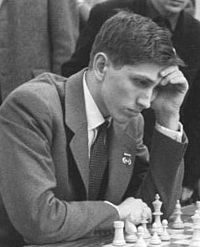
Bobby Fischer Books PDF
(0)
Books number: 2
Explore all available books and works by Bobby Fischer , including popular novels, complete collections, and translated titles. This page is regularly updated with new releases and featured works.
Bobby Fischer is an American chess author, analyst, and world-renowned grandmaster whose name remains inseparable from the intellectual culture of modern chess. Born Robert James Fischer in Chicago in 1943, he became famous as a prodigy, a fierce competitor, and eventually the eleventh World Chess Champion, yet his importance to readers also rests on the clarity and influence of his writing. His landmark book My 60 Memorable Games, first published in 1969, is widely regarded as one of the essential works of chess literature because it does more than preserve a sequence of games; it shows the inner discipline of a player who understood chess as calculation, strategy, psychology, memory, and artistic struggle. Fischer’s rise was dramatic from an early age. He became a leading figure in American chess as a teenager, earned the grandmaster title while still very young, and developed a reputation for uncompromising preparation and extraordinary tactical alertness. His victory over Boris Spassky in Reykjavík in 1972 made him a cultural figure far beyond the chess world, because the match was seen as a sporting and symbolic contest during the Cold War and because it broke the long Soviet dominance of the world championship. For a book audience, however, Fischer’s lasting value is not limited to the spectacle of that championship. His annotations reveal a writer who could explain critical moments with precision, honesty, and a strong sense of narrative tension. In My 60 Memorable Games he selected encounters from an important decade of his career and presented them not simply as triumphs but as learning experiences, including wins, draws, and losses. That decision gave the book unusual credibility. Rather than building a flawless heroic image, Fischer allowed readers to see uncertainty, missed chances, defensive resources, and the pressure of tournament play. His style is economical but forceful. He does not overwhelm the reader with decorative language; instead, he guides attention toward concrete variations, turning points, strategic ideas, and psychological shifts. The result is a book that appeals to ambitious club players, coaches, collectors, historians, and anyone interested in how elite thinking is translated into written analysis. Fischer’s themes as an author reflect his themes as a player: respect for classical principles, energetic opening preparation, confidence in active pieces, readiness to challenge accepted theory, and a deep belief that truth on the chessboard can be found through rigorous examination. His written voice helped shape the way later generations studied annotated games. Many chess books explain what happened; Fischer’s best pages make the reader feel why a move mattered at the moment it was played. That quality gives his work enduring search value for readers looking for the best chess books, classic chess analysis, world champion authors, or instructional game collections. His later life was marked by controversy, withdrawal from official competition, and a complicated public legacy, but these elements do not erase the importance of his contribution to chess writing. They make the author profile more complex: Fischer was a brilliant, demanding, often difficult figure whose creative achievements must be considered alongside the troubling aspects of his public life. As a website biography, his description should therefore present him as both a legendary chess champion and a major author of analytical chess prose. Bobby Fischer remains a central name for readers who want to understand competitive excellence, the history of world chess, and the art of explaining a game from the inside
'%20/%3e%3c/svg%3e "Cover of Bobby Fischer Teaches Chess by Bobby Fischer")
5
English
Bobby Fischer Teaches Chess
Bobby Fischer
a play
(0)