

مصدر الكتاب
تم نشر هذا الكتاب بهدف النفع العام، وذلك بموجب رخصة المشاع الإبداعي، أو بناءً على موافقة من المؤلف أو دار النشر. في حال وجود أي اعتراض على النشر، يُرجى التواصل معنا لنتخذ الإجراء المناسب.
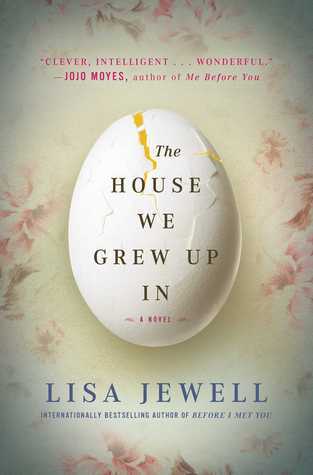
The House We Grew Up In PDF - Lisa Jewell
Lisa Jewell • روايات دراما • ٣٨٨ الصفحات
(0)
اقتباس
مراجعة
حفظ
مشاركة
وصف الكتاب
The House We Grew Up In by Lisa Jewell is an emotionally rich family drama and domestic mystery about memory, grief, hoarding, secrets, and the invisible damage that one tragedy can leave inside a family for decades. Before Jewell became one of the most recognizable names in contemporary psychological thrillers, she was already known for her sharp understanding of relationships, complicated households, and the way ordinary lives can conceal extraordinary pain. This novel brings those strengths together in a deeply moving story about the Bird family, whose seemingly idyllic childhood in a country cottage slowly gives way to silence, estrangement, and long-buried truth. The publisher describes the book as an unforgettable saga following the Bird family and the ripple effect of one tragedy across many years. (simonandschuster.com)
A Family Story Built Around a House Full of Memories
At the center of The House We Grew Up In is the Bird family: practical Meg, dreamy Beth, twins Rory and Rhys, their gentle father Colin, and their vivid, free-spirited mother Lorelei. In the beginning, their home appears to be the kind of place that childhood memories are made from: a simple brick house in a beautiful Cotswolds village, family meals, children’s artwork, cluttered rooms, and Easter celebrations shaped by Lorelei’s need to make every moment feel magical. The house is not only a setting; it is the emotional container of the novel, holding joy, denial, loss, guilt, and the physical evidence of everything the family cannot bear to face. (simonandschuster.com)
Jewell uses the Bird family home as a powerful symbol of love turned into burden. Lorelei begins as a mother who wants to preserve happiness by keeping mementos, decorations, children’s creations, and fragments of family life. What looks tender at first gradually becomes something more troubling, as the act of keeping things becomes a way of refusing to accept change, loss, and emotional reality. Years later, the house has become overwhelmed by objects, and Lorelei’s hoarding has isolated her from the people she once tried so hard to hold together. This makes the novel especially compelling for readers interested in family secrets, compulsive hoarding, and stories where a home reflects the inner life of the people who live inside it.
The Easter Weekend That Changes Everything
The emotional turning point of The House We Grew Up In is a devastating Easter weekend that breaks the Bird family apart. Jewell does not treat the tragedy as a simple plot device; instead, she explores how silence after trauma can be as destructive as the event itself. The family members cannot speak honestly about what has happened, and because they cannot speak, they begin to drift into separate lives shaped by guilt, avoidance, and misunderstanding. Penguin describes the Birds as a seemingly perfect family whose lives shatter after an unexpected Easter tragedy, forcing them years later to return to the house and confront what truly broke them apart. (penguin.co.uk)
This structure gives the novel its quiet suspense. The reader is not simply asking what happened; the deeper question is how each person survived it, or failed to survive it emotionally. Meg, Beth, Rory, and the rest of the family carry different versions of the past, and each version has shaped the adults they become. Jewell’s strength lies in showing that families rarely fracture all at once. They come apart through small silences, avoided conversations, unfair assumptions, and the gradual hardening of pain into habit. The novel’s mystery grows from emotional truth rather than from crime alone, making it ideal for readers who enjoy domestic suspense with psychological depth.
Lorelei Bird and the Pain of Holding On
Lorelei is one of the most memorable figures in The House We Grew Up In. She is charming, eccentric, loving, theatrical, and deeply flawed, a woman whose desire to preserve happiness becomes inseparable from her inability to let go. Her hoarding is not presented as a decorative quirk, but as a serious emotional condition that affects everyone around her. The publisher’s reading guide highlights the novel’s attention to Lorelei’s increasing hoarding problem and the different ways her family members respond to it, emphasizing how the issue becomes part of the family’s wider emotional damage. (simonandschuster.com)
Through Lorelei, Jewell explores the painful difference between treasuring the past and being trapped by it. Every saved wrapper, object, paper, and memory becomes a form of resistance against loss. Yet the more Lorelei keeps, the more she loses contact with the living people around her. This makes the novel especially affecting because it refuses to treat hoarding as merely shocking or strange. Instead, it connects accumulation to grief, fear, denial, and the longing to keep a vanished version of family life intact. For readers drawn to character-driven fiction, Lorelei’s story gives the book much of its emotional complexity.
Siblings, Estrangement, and the Long Shadow of Childhood
Another major strength of The House We Grew Up In is its portrait of siblings who grow up inside the same family but carry completely different emotional inheritances. Meg, Beth, Rory, and Rhys begin life in the same house, under the same parents, surrounded by the same rituals, yet they do not experience the family in identical ways. Their personalities, sensitivities, and responses to pain send them in different directions. As adults, they are connected by blood and memory, but separated by the things they never said and the wounds they never fully understood.
Jewell writes sibling estrangement with a clear sense of realism. The distance between the Bird children does not feel melodramatic; it feels like the natural consequence of a family that lost its language after trauma. Each person has built a life around avoidance, and returning to the house means returning to a version of themselves they may not want to recognize. That emotional return is one of the novel’s most powerful elements. The house becomes not just a property to clear or a childhood home to revisit, but a place where memory demands honesty.
A Different Kind of Lisa Jewell Novel
Readers who know Lisa Jewell mainly through later psychological thrillers such as Then She Was Gone, The Family Upstairs, and None of This Is True may find The House We Grew Up In slightly different in tone, but deeply connected to the same storytelling instincts. Jewell’s publisher identifies her as the number one New York Times bestselling author of twenty-four novels, with more than fifteen million copies sold internationally and translations into more than thirty languages. Her later reputation in suspense makes this earlier family-centered novel especially interesting, because it shows how her gifts for atmosphere, secrets, and emotional tension were already strongly developed. (simonandschuster.com)
This is not a thriller built around danger in the conventional sense. Its suspense comes from family history, withheld truth, emotional decay, and the slow revelation of what grief has done to each character. The result is a novel that can appeal both to fans of Lisa Jewell psychological suspense and to readers who prefer literary family sagas. It has mystery, but it also has tenderness. It has darkness, but it also understands love. It asks what happens when a family’s happiest rituals become permanently attached to its deepest wound.
Why The House We Grew Up In Is Worth Reading
The House We Grew Up In is a powerful choice for readers who enjoy family dramas, domestic fiction, emotional mysteries, and novels about the long-term consequences of trauma. It is especially effective for anyone interested in stories about mothers and children, sibling relationships, hoarding, memory, and the complicated meaning of home. Jewell does not offer a simple portrait of a broken family; she shows how love and damage can exist in the same rooms, how nostalgia can become dangerous, and how returning home can mean confronting the truth one has spent years avoiding.
At its heart, the novel is about the painful work of understanding. The Bird family must face not only what happened one Easter weekend, but also what they allowed to happen afterward: the silence, distance, denial, and emotional clutter that filled the spaces where honesty should have been. The House We Grew Up In is moving because it recognizes that families are made not only from shared joy, but also from shared grief, shared avoidance, and the possibility, however fragile, of finally naming what was lost. For readers looking for a beautifully layered Lisa Jewell novel with emotional weight, domestic mystery, and unforgettable family dynamics, this book offers a haunting and memorable reading experience.
Lisa Jewell
Lisa Jewell كاتبة بريطانية معروفة في أدب التشويق النفسي، والرواية العائلية الغامضة، وحكايات الأسرار التي تبدأ من تفاصيل يومية عادية ثم تتحول تدريجيًا إلى شبكة من الخوف والشك والذكريات المدفونة. وُلد حضورها الأدبي من قدرتها على الجمع بين القرب الإنساني والتوتر السردي؛ فهي لا تعتمد فقط على الجريمة أو المفاجأة، بل تبني رواياتها حول العلاقات المعقدة، البيوت التي تخفي ماضيًا ثقيلًا، والشخصيات التي تبدو مألوفة في البداية ثم تنكشف طبقاتها النفسية ببطء. تُعرّفها دار نشرها بأنها مؤلفة احتلت المرتبة الأولى في قوائم نيويورك تايمز، وكتبت أربعًا وعشرين رواية، وحققت أعمالها مبيعات عالمية تتجاوز خمسة عشر مليون نسخة، كما تُرجمت إلى أكثر من ثلاثين لغة.
بدأت Lisa Jewell مسيرتها الأدبية برواية Ralph's Party، وهي الرواية التي منحتها انطلاقة قوية في نهاية التسعينيات. وقد ارتبطت بداياتها بالروايات الاجتماعية والرومانسية ذات النبرة الدافئة والذكية، قبل أن تنتقل لاحقًا إلى منطقة أكثر ظلمة وعمقًا في روايات التشويق النفسي. هذا التحول لم يكن قطيعة كاملة مع بداياتها، بل تطور طبيعي في أسلوبها؛ فقد احتفظت بموهبتها في رسم الشخصيات والعلاقات، وأضافت إليها إحساسًا متزايدًا بالخطر والغموض. لذلك تبدو رواياتها مشوقة ليس لأنها مليئة بالأحداث فقط، بل لأنها تجعل القارئ يتساءل عن حقيقة كل علاقة، وكل ذاكرة، وكل شخص يبدو ظاهريًا موثوقًا.
تتميز روايات Lisa Jewell بقدرتها على تحويل المكان المألوف إلى مساحة مقلقة. البيت، الحديقة، الحي السكني، الحانة، أو العائلة نفسها يمكن أن يتحول في عالمها إلى مسرح للأسرار القديمة والتهديدات الصامتة. في أعمال مثل Then She Was Gone وThe Family Upstairs وInvisible Girl وThe Night She Disappeared وNone of This Is True، تظهر ثيمات الفقد، الهوية، الخداع، الذاكرة، العلاقات السامة، والبحث عن الحقيقة. لا تكتب الكاتبة شخصيات مثالية أو شريرة بصورة مباشرة؛ بل تقدم أشخاصًا يحملون ضعفًا وخوفًا ورغبات متناقضة، مما يمنح رواياتها طابعًا نفسيًا قويًا ويجعلها مناسبة للقراء الذين يحبون الغموض المرتبط بالحياة العائلية والواقع اليومي.
جانب مهم من جاذبية Lisa Jewell هو أنها تكتب تشويقًا سريع القراءة، لكنه ليس سطحيًا. فالقارئ يجد في رواياتها حبكات مشدودة، فصولًا تدفعه إلى المتابعة، ونهايات غالبًا ما تعيد تفسير ما سبقها، لكنه يجد أيضًا دراسة دقيقة لما تفعله الأسرار بالبشر. شخصياتها كثيرًا ما تواجه ماضيًا حاولت دفنه، أو حقيقة كانت تظن أنها مفهومة، أو شخصًا قريبًا منها يملك وجهًا آخر. هذا النوع من السرد يجعل أعمالها مفضلة لدى قراء الرواية النفسية المشوقة وروايات الجريمة العائلية والغموض المعاصر، خاصة لمن يبحثون عن كتب تجمع بين المتعة السردية والعمق العاطفي.
حصلت Lisa Jewell على حضور واسع في ثقافة القراءة الحديثة، ولا سيما بين قراء نوادي الكتب ومنصات مشاركة التوصيات. وقد أشارت دار Penguin إلى أنها كانت محبوبة في البداية بسبب رواياتها الرومانسية، ثم أصبحت اسمًا بارزًا في أدب الجريمة، مع ظهور متكرر لأعمالها في قوائم صنداي تايمز. كما فازت رواية None of This Is True بجائزة كتاب العام في جوائز تيك توك للكتب عام 2024، بحسب تقرير بي بي سي، وهو ما يعكس قدرة أعمالها على الوصول إلى القراء التقليديين والجدد في الوقت نفسه.
تقدم Lisa Jewell تجربة قراءة قائمة على الفضول المتصاعد. فهي لا تكشف أسرارها دفعة واحدة، بل تزرع علامات صغيرة، وتترك القارئ يعيد تقييم الشخصيات من فصل إلى آخر. هذا الأسلوب يمنح أعمالها إيقاعًا مناسبًا لمن يحبون القراءة المتواصلة، لأن كل فصل يضيف طبقة جديدة من الشك. وفي الوقت نفسه، تظل اللغة واضحة وقريبة من القارئ، مما يجعل رواياتها سهلة الدخول حتى لمن لا يقرأون التشويق النفسي باستمرار. لذلك يُنظر إليها ككاتبة تجمع بين الانتشار التجاري والجودة السردية، وبين التشويق الشعبي والحس الإنساني الدقيق.
في النهاية، تمثل Lisa Jewell صوتًا مهمًا في الرواية البريطانية المعاصرة، خصوصًا في مجال التشويق النفسي القائم على الأسرار العائلية والهوية والاختفاءات الغامضة. إنها كاتبة تفهم أن الخوف الحقيقي لا يأتي دائمًا من الغرباء، بل قد يولد داخل البيت، أو في الذاكرة، أو في علاقة تبدو آمنة. ولهذا تبقى أعمالها جذابة للقراء الذين يبحثون عن روايات مشوقة، إنسانية، ومليئة بالأسئلة، حيث كل شخصية تحمل سرًا، وكل تفصيلة صغيرة قد تقود إلى حقيقة أكبر.
اكسب مكافآت أثناء القراءة!
كل 10 صفحات تقرؤها وتقضى فيها 30 ثانية تمنحك 5 نقاط مكافأة! واصل القراءة لفتح الإنجازات والمزايا الحصرية.
اقرأ
قيم الآن
5 نجوم
4 نجوم
3 نجوم
2 نجوم
1 نجوم
اقتباسات The House We Grew Up In
الأعلى تقييماً
الأحدث
اقتباس
كن أول من يترك اقتباسًا واكسب 10 نقاط
بدلاً من 3
'%20/%3e%3c/svg%3e "None of This Is True")
التعليقات
كن أول من يترك تعليقًا واكسب 5 نقاط
بدلاً من 3