

مصدر الكتاب
تم نشر هذا الكتاب بهدف النفع العام، وذلك بموجب رخصة المشاع الإبداعي، أو بناءً على موافقة من المؤلف أو دار النشر. في حال وجود أي اعتراض على النشر، يُرجى التواصل معنا لنتخذ الإجراء المناسب.
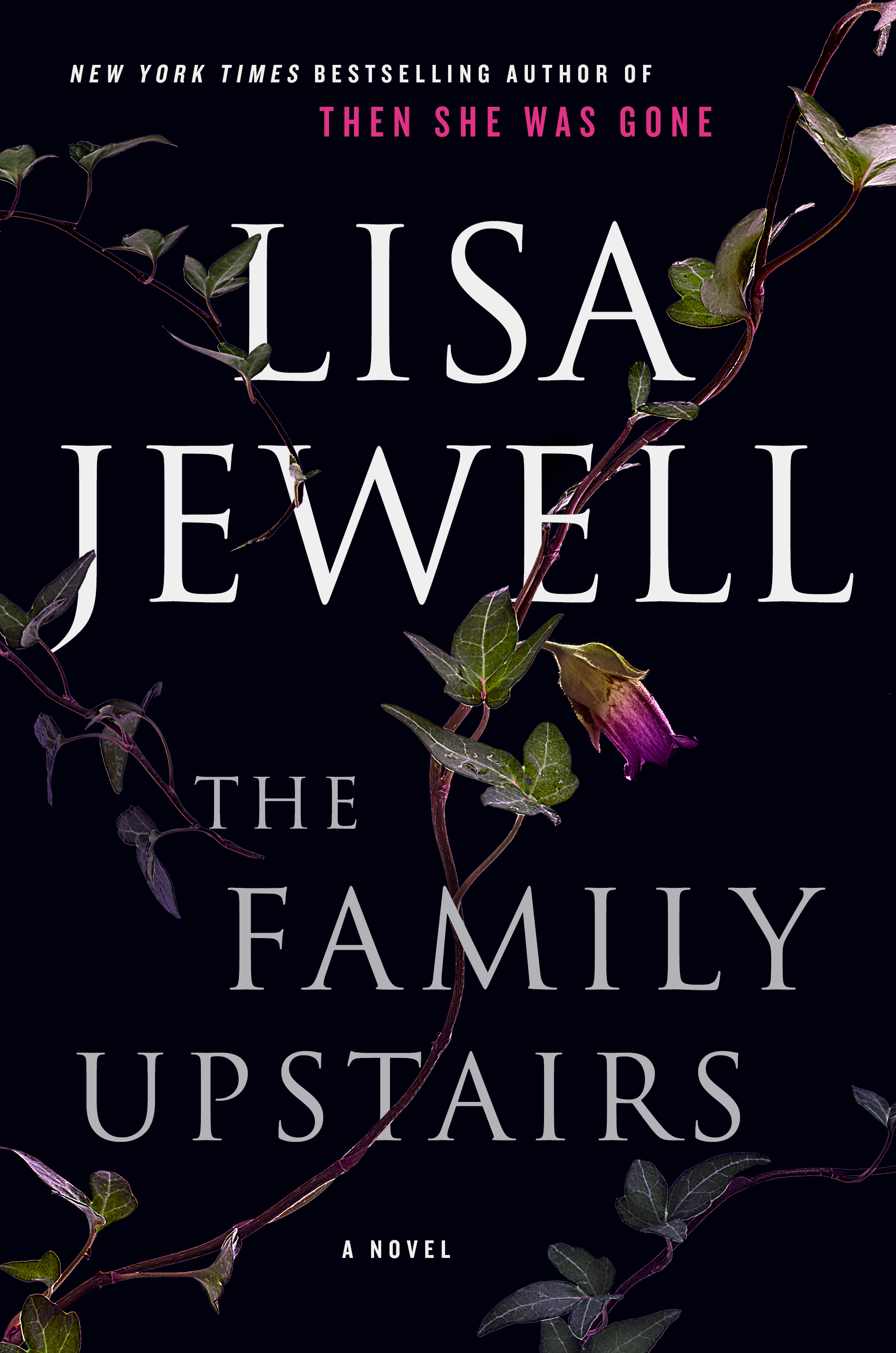
The Family Upstairs PDF - Lisa Jewell
Lisa Jewell • روايات دراما • ٣٥٢ الصفحات
(0)
اقتباس
مراجعة
حفظ
مشاركة
وصف الكتاب
The Family Upstairs by Lisa Jewell is a dark, atmospheric psychological thriller about inheritance, identity, buried trauma, and the secrets that can turn a family home into a place of fear. Blending domestic noir, mystery, and family suspense, the novel begins with a life-changing letter and expands into a chilling story about three entangled families, a mansion on the Thames, and a past that has waited twenty-five years to be uncovered. The book is described by its publisher as an instant New York Times bestseller and a Good Morning America Cover to Cover Book Club pick, placing it among Lisa Jewell’s most widely recognized suspense novels. (simonandschuster.com)
A Mysterious Inheritance and a House Full of Secrets
The story opens with Libby Jones, a young woman who has spent her life knowing she was adopted, but not knowing the full truth of where she came from. Soon after her twenty-fifth birthday, she receives the official letter she has been waiting for, believing it may finally reveal the identity of her birth parents. What she discovers is far more shocking than a name on a document. Libby learns that she is the sole inheritor of an abandoned mansion in Chelsea, one of London’s most desirable neighborhoods, a property on the banks of the Thames worth millions even in its decayed condition. (simonandschuster.com)
At first, the inheritance seems like a miracle. Libby’s ordinary life is suddenly transformed by wealth, history, and possibility. Yet the house is not simply a financial gift; it is the locked door to a disturbing family mystery. Twenty-five years earlier, police were called to 16 Cheyne Walk after reports of a crying baby. Inside, they found a healthy ten-month-old child in her crib. Downstairs, three dead bodies were discovered in the kitchen, dressed in black, beside a hastily written note. The other children believed to have lived in the house had disappeared. That baby was Libby, and the truth of what happened inside the house is far darker than she could have imagined. (simonandschuster.com)
Domestic Noir with a Gothic Edge
One of the strongest qualities of The Family Upstairs is its use of the family home as a psychological landscape. The Chelsea mansion is not just a setting; it is the heart of the novel’s unease. Its locked rooms, faded grandeur, abandoned objects, and history of death and disappearance create a mood that feels both modern and gothic. Lisa Jewell turns a valuable London property into something claustrophobic and threatening, a place where privilege, obsession, manipulation, and fear have left permanent marks.
Readers who enjoy domestic thrillers, family secret novels, and gothic psychological suspense will find this setting especially compelling. Jewell understands that a house can hold more than furniture and memories. It can hold power. It can hold silence. It can become a stage where adults control children, strangers become dangerous, and love is twisted into dependency. The novel’s title itself suggests that danger is not always outside the door. Sometimes it has already been invited in, allowed upstairs, and given permission to stay.
Multiple Perspectives and a Slowly Unfolding Truth
The Family Upstairs is structured around multiple perspectives and timelines, allowing the mystery to unfold gradually rather than through a single investigation. Libby’s present-day discovery is only one part of the story. Other voices and histories reveal what happened before, who survived, who disappeared, and why the events at Cheyne Walk continue to shape lives decades later. The publisher’s reading group guide highlights the novel’s use of three perspectives—Henry, Lucy, and Libby—which is central to how the book builds suspense and emotional complexity. (simonandschuster.com)
This structure gives the novel its addictive rhythm. Each chapter adds a new piece of the puzzle, but also complicates what the reader thinks they know. A character who seems vulnerable may be hiding something. A person who appears threatening may be damaged by forces beyond their control. A memory may be incomplete, distorted, or shaped by fear. Jewell’s storytelling invites the reader to keep reassessing the truth, making The Family Upstairs a strong choice for anyone who enjoys twisty thrillers where the full picture only becomes clear piece by piece.
Themes of Identity, Control, and Survival
At the emotional center of the novel is the question of identity. Libby wants to know who she is, but the answer is not simple. Her inheritance gives her access to her biological past, yet it also forces her to confront a legacy of violence, secrecy, and manipulation. The search for family becomes a search for truth, and that truth carries consequences not only for Libby but for everyone connected to the house.
The novel also explores control in disturbing and intimate ways. The Family Upstairs examines how charismatic or forceful people can enter a household and reshape it from within, how children can be trapped inside adult decisions, and how fear can become normalized when it is repeated long enough. These themes give the book a darker emotional weight than a simple inheritance mystery. Jewell is interested not only in what happened, but in how people survive after living through something unthinkable.
Survival is one of the novel’s most powerful concerns. The characters are shaped by what they endured, what they witnessed, and what they were forced to become. Some survive by hiding. Some survive by forgetting. Some survive by controlling the story. Others carry the past like a wound that has never healed. This makes the novel especially effective as a psychological suspense story, because the central mystery is not only about death, but about damage and aftermath.
Why Lisa Jewell’s Style Works So Well Here
Lisa Jewell is known for writing suspense that is both accessible and emotionally layered. Her publisher identifies her as the number one New York Times bestselling author of twenty-four novels, including None of This Is True, Then She Was Gone, Invisible Girl, and Watching You, with more than fifteen million copies sold internationally and translations in more than thirty languages. (simonandschuster.com)
In The Family Upstairs, those strengths are especially clear. Jewell combines the pace of a thriller with the intimacy of family drama. She writes secrets not merely as plot twists, but as emotional forces that shape behavior, memory, and trust. Her characters feel vulnerable and suspicious at the same time, which keeps the reader engaged not only in the mystery, but in the psychology behind it. The result is a novel that feels tense, unsettling, and deeply human.
A Gripping Choice for Fans of Psychological Thrillers
The Family Upstairs is an excellent choice for readers looking for a dark family mystery, a domestic psychological thriller, or a suspense novel built around an old house, hidden identities, and long-buried secrets. It has the appeal of a page-turning mystery, but also the atmosphere of a gothic family saga. The abandoned Chelsea mansion, the unexplained deaths, the missing children, and Libby’s search for her origins all combine to create a story that is eerie, layered, and difficult to put down.
For fans of Lisa Jewell’s other novels, this book offers many of the qualities that make her work so popular: a strong hook, shifting perspectives, emotional tension, morally complicated characters, and a final truth that changes the meaning of everything that came before. For new readers, The Family Upstairs is a powerful introduction to her style of suspense: intimate, unsettling, and built around the terrifying idea that the people closest to us may be the ones hiding the darkest secrets.
A Haunting Story of Family, Memory, and the Past That Refuses to Stay Buried
Ultimately, The Family Upstairs is a novel about what happens when a locked past is suddenly reopened. Libby’s inheritance gives her wealth, but it also gives her questions she cannot ignore. Who were her parents? What happened in the house? Why did some children vanish while she was left behind? And who has been waiting for her to turn twenty-five?
With its chilling premise, layered structure, and haunting family mystery, The Family Upstairs by Lisa Jewell delivers a suspenseful reading experience full of atmosphere, tension, and emotional unease. It is a story about inheritance in every sense of the word: not only property and money, but trauma, silence, survival, and the secrets passed from one generation to the next.
Lisa Jewell
Lisa Jewell كاتبة بريطانية معروفة في أدب التشويق النفسي، والرواية العائلية الغامضة، وحكايات الأسرار التي تبدأ من تفاصيل يومية عادية ثم تتحول تدريجيًا إلى شبكة من الخوف والشك والذكريات المدفونة. وُلد حضورها الأدبي من قدرتها على الجمع بين القرب الإنساني والتوتر السردي؛ فهي لا تعتمد فقط على الجريمة أو المفاجأة، بل تبني رواياتها حول العلاقات المعقدة، البيوت التي تخفي ماضيًا ثقيلًا، والشخصيات التي تبدو مألوفة في البداية ثم تنكشف طبقاتها النفسية ببطء. تُعرّفها دار نشرها بأنها مؤلفة احتلت المرتبة الأولى في قوائم نيويورك تايمز، وكتبت أربعًا وعشرين رواية، وحققت أعمالها مبيعات عالمية تتجاوز خمسة عشر مليون نسخة، كما تُرجمت إلى أكثر من ثلاثين لغة.
بدأت Lisa Jewell مسيرتها الأدبية برواية Ralph's Party، وهي الرواية التي منحتها انطلاقة قوية في نهاية التسعينيات. وقد ارتبطت بداياتها بالروايات الاجتماعية والرومانسية ذات النبرة الدافئة والذكية، قبل أن تنتقل لاحقًا إلى منطقة أكثر ظلمة وعمقًا في روايات التشويق النفسي. هذا التحول لم يكن قطيعة كاملة مع بداياتها، بل تطور طبيعي في أسلوبها؛ فقد احتفظت بموهبتها في رسم الشخصيات والعلاقات، وأضافت إليها إحساسًا متزايدًا بالخطر والغموض. لذلك تبدو رواياتها مشوقة ليس لأنها مليئة بالأحداث فقط، بل لأنها تجعل القارئ يتساءل عن حقيقة كل علاقة، وكل ذاكرة، وكل شخص يبدو ظاهريًا موثوقًا.
تتميز روايات Lisa Jewell بقدرتها على تحويل المكان المألوف إلى مساحة مقلقة. البيت، الحديقة، الحي السكني، الحانة، أو العائلة نفسها يمكن أن يتحول في عالمها إلى مسرح للأسرار القديمة والتهديدات الصامتة. في أعمال مثل Then She Was Gone وThe Family Upstairs وInvisible Girl وThe Night She Disappeared وNone of This Is True، تظهر ثيمات الفقد، الهوية، الخداع، الذاكرة، العلاقات السامة، والبحث عن الحقيقة. لا تكتب الكاتبة شخصيات مثالية أو شريرة بصورة مباشرة؛ بل تقدم أشخاصًا يحملون ضعفًا وخوفًا ورغبات متناقضة، مما يمنح رواياتها طابعًا نفسيًا قويًا ويجعلها مناسبة للقراء الذين يحبون الغموض المرتبط بالحياة العائلية والواقع اليومي.
جانب مهم من جاذبية Lisa Jewell هو أنها تكتب تشويقًا سريع القراءة، لكنه ليس سطحيًا. فالقارئ يجد في رواياتها حبكات مشدودة، فصولًا تدفعه إلى المتابعة، ونهايات غالبًا ما تعيد تفسير ما سبقها، لكنه يجد أيضًا دراسة دقيقة لما تفعله الأسرار بالبشر. شخصياتها كثيرًا ما تواجه ماضيًا حاولت دفنه، أو حقيقة كانت تظن أنها مفهومة، أو شخصًا قريبًا منها يملك وجهًا آخر. هذا النوع من السرد يجعل أعمالها مفضلة لدى قراء الرواية النفسية المشوقة وروايات الجريمة العائلية والغموض المعاصر، خاصة لمن يبحثون عن كتب تجمع بين المتعة السردية والعمق العاطفي.
حصلت Lisa Jewell على حضور واسع في ثقافة القراءة الحديثة، ولا سيما بين قراء نوادي الكتب ومنصات مشاركة التوصيات. وقد أشارت دار Penguin إلى أنها كانت محبوبة في البداية بسبب رواياتها الرومانسية، ثم أصبحت اسمًا بارزًا في أدب الجريمة، مع ظهور متكرر لأعمالها في قوائم صنداي تايمز. كما فازت رواية None of This Is True بجائزة كتاب العام في جوائز تيك توك للكتب عام 2024، بحسب تقرير بي بي سي، وهو ما يعكس قدرة أعمالها على الوصول إلى القراء التقليديين والجدد في الوقت نفسه.
تقدم Lisa Jewell تجربة قراءة قائمة على الفضول المتصاعد. فهي لا تكشف أسرارها دفعة واحدة، بل تزرع علامات صغيرة، وتترك القارئ يعيد تقييم الشخصيات من فصل إلى آخر. هذا الأسلوب يمنح أعمالها إيقاعًا مناسبًا لمن يحبون القراءة المتواصلة، لأن كل فصل يضيف طبقة جديدة من الشك. وفي الوقت نفسه، تظل اللغة واضحة وقريبة من القارئ، مما يجعل رواياتها سهلة الدخول حتى لمن لا يقرأون التشويق النفسي باستمرار. لذلك يُنظر إليها ككاتبة تجمع بين الانتشار التجاري والجودة السردية، وبين التشويق الشعبي والحس الإنساني الدقيق.
في النهاية، تمثل Lisa Jewell صوتًا مهمًا في الرواية البريطانية المعاصرة، خصوصًا في مجال التشويق النفسي القائم على الأسرار العائلية والهوية والاختفاءات الغامضة. إنها كاتبة تفهم أن الخوف الحقيقي لا يأتي دائمًا من الغرباء، بل قد يولد داخل البيت، أو في الذاكرة، أو في علاقة تبدو آمنة. ولهذا تبقى أعمالها جذابة للقراء الذين يبحثون عن روايات مشوقة، إنسانية، ومليئة بالأسئلة، حيث كل شخصية تحمل سرًا، وكل تفصيلة صغيرة قد تقود إلى حقيقة أكبر.
اكسب مكافآت أثناء القراءة!
كل 10 صفحات تقرؤها وتقضى فيها 30 ثانية تمنحك 5 نقاط مكافأة! واصل القراءة لفتح الإنجازات والمزايا الحصرية.
اقرأ
قيم الآن
5 نجوم
4 نجوم
3 نجوم
2 نجوم
1 نجوم
اقتباسات The Family Upstairs
الأعلى تقييماً
الأحدث
اقتباس
كن أول من يترك اقتباسًا واكسب 10 نقاط
بدلاً من 3
'%20/%3e%3c/svg%3e "None of This Is True")
التعليقات
كن أول من يترك تعليقًا واكسب 5 نقاط
بدلاً من 3