

مصدر الكتاب
تم نشر هذا الكتاب بهدف النفع العام، وذلك بموجب رخصة المشاع الإبداعي، أو بناءً على موافقة من المؤلف أو دار النشر. في حال وجود أي اعتراض على النشر، يُرجى التواصل معنا لنتخذ الإجراء المناسب.
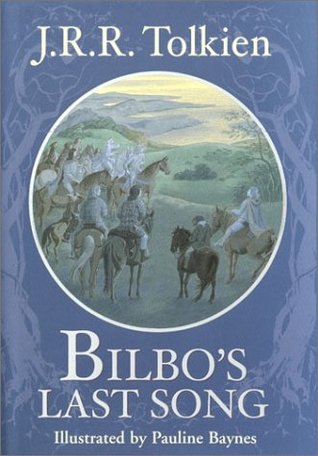
Bilbo’s Last Song PDF - جون رونالد تولكين
جون رونالد تولكين • قصص قصيرة • ٧٣ الصفحات
(0)
اقتباس
مراجعة
حفظ
مشاركة
وصف الكتاب
Bilbo’s Last Song by J. R. R. Tolkien
Bilbo’s Last Song is a deeply reflective and emotionally resonant poem associated with the world of Middle-earth, offering readers a quiet, poetic farewell from one of the most beloved characters in fantasy literature, Bilbo Baggins. Though brief in length, this work carries a powerful sense of closure, memory, and transition, capturing the final journey of Bilbo as he prepares to leave the familiar lands of the Shire and sail beyond the mortal world toward the Undying Lands. It is a meditation on aging, peace, and the beauty of letting go, written in a style that reflects the lyrical and timeless tone characteristic of Tolkien’s legendarium.
Originally published posthumously and beautifully illustrated by Pauline Baynes, Bilbo’s Last Song stands apart from the larger narrative structure of The Lord of the Rings and The Hobbit, yet it feels intimately connected to both. It is not a tale of battles or quests, but rather a gentle epilogue to a life filled with adventure, courage, and unexpected heroism. The poem is often interpreted as Bilbo’s final farewell not only to Middle-earth but also to the reader, offering a soft emotional landing after years of epic storytelling.
At its core, the poem reflects themes of departure and transcendence. Bilbo Baggins, once an unlikely adventurer who stepped far beyond the comforts of Bag End, now reaches the final stage of his journey. The tone is calm, contemplative, and slightly melancholic, yet it is also infused with acceptance and grace. Rather than focusing on loss in a painful sense, the poem emphasizes completion and fulfillment. Bilbo’s journey is not ending in despair but concluding in harmony, as he sails toward a place of light and restoration.
The language of Bilbo’s Last Song is simple yet evocative, designed to echo the traditional songs and poems found throughout Tolkien’s fictional world. It carries the cadence of folk verse, making it feel as though it could have been sung in the halls of Rivendell or whispered among the Elves at the Grey Havens. This musical quality enhances the emotional depth of the work, turning it into something that feels both ancient and timeless.
Readers familiar with Tolkien’s broader mythology will recognize the emotional significance of the Grey Havens, the port from which Elves—and eventually certain mortals like Bilbo—sail westward into the unknown lands beyond Middle-earth. This setting is not merely geographical but symbolic, representing the transition from the known world into something beyond mortal understanding. In this context, Bilbo’s song becomes a final reflection on life’s journey, friendship, and the quiet dignity of endings.
The illustrations by Pauline Baynes add another layer of meaning to the poem, visually expanding its emotional tone. Her artwork captures the gentle beauty of the voyage, the serene atmosphere of the sea, and the wistful expression of farewell. Together, text and image create a unified artistic experience that deepens the reader’s emotional engagement with Bilbo’s final moments in Middle-earth.
For readers searching for a short yet meaningful Tolkien work, Bilbo’s Last Song offers a unique experience. Unlike longer narratives filled with complex lore and extensive world-building, this piece is accessible and immediate, making it suitable for both longtime fans of Middle-earth and newcomers who may be discovering Tolkien’s world for the first time. It serves as a gentle introduction to the emotional and philosophical depth that underlies Tolkien’s writing.
One of the most compelling aspects of the poem is its treatment of time and memory. Bilbo reflects not only on the physical journey ahead but also on the life he has lived, the companions he has met, and the experiences that have shaped him. This reflective quality resonates strongly with readers who appreciate literary works that explore aging, legacy, and the passage of time. It invites contemplation rather than action, encouraging readers to pause and consider the meaning of their own journeys.
Despite its brevity, Bilbo’s Last Song carries a universal message: that endings can be peaceful, meaningful, and even beautiful. It gently challenges the fear often associated with farewell, replacing it with a sense of completion and acceptance. This makes the poem particularly appealing to readers who enjoy philosophical or emotionally rich literature, as well as those drawn to the softer, more introspective side of fantasy storytelling.
In the broader context of Tolkien’s works, this poem functions almost like a closing note—a final echo from a world that has captivated readers for generations. It does not seek to expand the narrative but to soften its conclusion, offering a sense of closure that feels both personal and universal. Bilbo’s voice, though fictional, becomes a symbol of every traveler who has reached the end of their path and looks back with gratitude rather than regret.
Ultimately, Bilbo’s Last Song is a quiet masterpiece of reflection and farewell. It distills the essence of Tolkien’s storytelling into a few carefully chosen lines, blending mythology, emotion, and poetic simplicity. For readers who have journeyed through the vast landscapes of Middle-earth, this poem feels like a final hand extended in friendship before the last ship sails beyond the horizon.
جون رونالد تولكين
كان جون رونالد رويل تولكين (1892-1973) كاتبًا وشاعرًا وعالمًا لغويًا إنجليزيًا اشتهر بأعماله الخيالية العالية ، بما في ذلك The Hobbit و The Lord of the Rings و The Silmarillion. ولد في جنوب إفريقيا ونشأ في إنجلترا ، حيث درس في جامعة أكسفورد وأصبح فيما بعد أستاذًا للغة الأنجلو ساكسونية والإنجليزية في نفس المؤسسة.
بدأ تولكين في كتابة القصص عندما كان طفلاً ، وسيؤثر حبه للغة والأساطير لاحقًا على أعماله الخيالية. أول عمل نشر له كان قصيدة بعنوان "قدم عفريت" في المجلة الأدبية أكسفورد الشعر في عام 1915. خلال الحرب العالمية الأولى ، خدم تولكين في الجيش البريطاني وعاد لاحقًا إلى الأوساط الأكاديمية.
في الثلاثينيات من القرن الماضي ، بدأ تولكين العمل في The Hobbit ، وهو كتاب للأطفال سيصبح في النهاية كلاسيكيًا من الأدب الخيالي. نُشر The Hobbit في عام 1937 ، ويحكي قصة الهوبيت المسمى Bilbo Baggins الذي يشرع في مهمة لمساعدة مجموعة من الأقزام على استعادة كنزهم من تنين.
كان العمل الرئيسي التالي لتولكين هو سيد الخواتم ، وهي ثلاثية نُشرت في منتصف الخمسينيات من القرن الماضي وتواصل قصة ميدل إيرث ، ووضع الهوبيت. تتبع الكتب سعي الهوبيت Frodo Baggins لتدمير One Ring ، وهي قطعة أثرية قوية أنشأها اللورد المظلم Sauron لغزو Middle-earth.
عمل تولكين أيضًا على قصص أخرى تدور أحداثها في ميدل إيرث ، بما في ذلك The Silmarillion ، الذي يحكي تاريخ العالم وإنشاء الجان الأولى ، والعديد من الحكايات غير المكتملة التي تم جمعها في حكايات غير مكتملة من Númenor و Middle-earth.
كان لعمل تولكين تأثير كبير على النوع الخيالي ، حيث استشهد به العديد من المؤلفين باعتباره تأثيرًا كبيرًا. أدت شعبية أعماله أيضًا إلى تعديلات في وسائل الإعلام الأخرى ، بما في ذلك الأفلام والمسلسلات التلفزيونية وألعاب الفيديو.
بالإضافة إلى كتاباته ، كان تولكين باحثًا محترمًا في اللغة والأدب ، مع اهتمام خاص باللغة الإنجليزية القديمة والأساطير الإسكندنافية. يتضمن عمله الأكاديمي طبعات من نصوص العصور الوسطى وسلسلة محاضرات أساسية عن بيوولف ، والتي تم نشرها ككتاب.
اكسب مكافآت أثناء القراءة!
كل 10 صفحات تقرؤها وتقضى فيها 30 ثانية تمنحك 5 نقاط مكافأة! واصل القراءة لفتح الإنجازات والمزايا الحصرية.
اقرأ
قيم الآن
5 نجوم
4 نجوم
3 نجوم
2 نجوم
1 نجوم
اقتباسات Bilbo’s Last Song
الأعلى تقييماً
الأحدث
اقتباس
كن أول من يترك اقتباسًا واكسب 10 نقاط
بدلاً من 3
'%20/%3e%3c/svg%3e "The Children of Hurin")
التعليقات
كن أول من يترك تعليقًا واكسب 5 نقاط
بدلاً من 3