

مصدر الكتاب
تم نشر هذا الكتاب بهدف النفع العام، وذلك بموجب رخصة المشاع الإبداعي، أو بناءً على موافقة من المؤلف أو دار النشر. في حال وجود أي اعتراض على النشر، يُرجى التواصل معنا لنتخذ الإجراء المناسب.
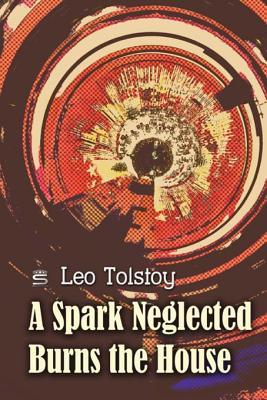
A Spark Neglected Burns the House PDF - ليو تولستوي
ليو تولستوي • قصص قصيرة • ٢١ الصفحات
(0)
اقتباس
مراجعة
حفظ
مشاركة
وصف الكتاب
A Spark Neglected Burns the House by Leo Tolstoy
A Spark Neglected Burns the House by Leo Tolstoy is a powerful moral short story about anger, pride, forgiveness, and the destructive force of small conflicts left unresolved. Also known in some translations as Quench the Spark or A Lost Opportunity, this classic tale reflects Tolstoy’s deep interest in everyday ethics, Christian compassion, and the spiritual consequences of human stubbornness. First published in 1885, the story uses a simple village quarrel to explore a universal truth: when resentment is allowed to grow, even the smallest dispute can become a disaster.
At the center of the story is a conflict between neighboring families whose relationship begins in ordinary peace but slowly deteriorates after a trivial misunderstanding. Tolstoy does not build the narrative around grand historical events or heroic adventures; instead, he focuses on familiar domestic life, village customs, family pride, and the human tendency to defend one’s own position even when reconciliation is still possible. This makes A Spark Neglected Burns the House both accessible and deeply memorable, because the situation feels recognizable in any age: a careless word, a wounded ego, a refusal to apologize, and a disagreement that grows far beyond its original cause.
A Moral Story About Conflict, Pride, and Forgiveness
Tolstoy’s story shows how quickly a minor offense can expand when people choose accusation over understanding. The “spark” in the title is not only a literal image but also a symbol of anger, gossip, suspicion, and revenge. A problem that could have been solved with patience and humility becomes larger because each side insists on being right. Through this simple but meaningful structure, Tolstoy presents one of the central themes of the story: small wrongs become dangerous when they are fed by pride.
The lesson is delivered through character and action rather than abstract preaching. Tolstoy carefully shows how resentment passes from one person to another, how adults set examples for children, and how a whole household can become trapped in hostility. The quarrel becomes more than a disagreement between neighbors; it becomes a pattern of living. In this way, A Spark Neglected Burns the House is not only a story about one family or one village, but a broader reflection on human behavior, community life, and the cost of refusing peace.
The Reading Experience: Simple, Direct, and Deeply Human
Readers familiar with Leo Tolstoy’s short stories will recognize his clear narrative style and moral seriousness. The language is direct, the setting is humble, and the characters are ordinary people facing choices that reveal their inner lives. Tolstoy’s strength lies in making a small incident feel spiritually important. He reminds readers that moral failure often begins not with dramatic evil, but with everyday impatience, harsh speech, and the inability to admit fault.
The story’s simplicity is one of its greatest strengths. It can be read as a classic moral tale, a religious parable, a study of rural life, or a lesson in conflict resolution. Students may approach it for its message and structure, while general readers may value it for its timeless wisdom. The plot is easy to follow, but the meaning continues to grow after reading, especially for anyone interested in forgiveness, family relationships, neighborly duty, and the consequences of unchecked anger.
Why This Tolstoy Story Still Matters
Although A Spark Neglected Burns the House belongs to the world of nineteenth-century Russian literature, its message remains strikingly modern. People still damage relationships through pride, still allow misunderstandings to become long-term hostility, and still discover too late that peace would have cost far less than revenge. Tolstoy’s story speaks to families, communities, workplaces, and societies because it captures a pattern that repeats wherever people value winning an argument more than preserving human connection.
The story also invites reflection on justice and mercy. Tolstoy does not ignore wrongdoing, but he questions whether punishment, legal complaint, and public blame can truly heal a broken relationship. His emphasis falls on repentance, reconciliation, and the moral courage required to stop a quarrel before it consumes more than anyone intended. For readers searching for short stories about forgiveness, moral stories about anger, or classic literature with life lessons, this work offers a concise but lasting example.
A Valuable Choice for Students and Classic Literature Readers
A Spark Neglected Burns the House by Leo Tolstoy is especially useful for readers studying themes such as conflict, humility, forgiveness, revenge, family influence, and moral responsibility. Its clear structure makes it suitable for classroom discussion, literary analysis, and personal reflection. The title itself provides a strong entry point for interpretation, since the image of the neglected spark perfectly captures the story’s central warning: danger often begins in something small that people fail to control in time.
For students, the story offers many points of analysis, including symbolism, character development, moral conflict, biblical influence, and Tolstoy’s use of realism. For general readers, it offers a brief but meaningful encounter with one of the world’s most important literary voices. Unlike Tolstoy’s great novels, this short story can be read quickly, yet it carries the same concern with conscience, compassion, and the search for a better way to live.
A Timeless Lesson from Leo Tolstoy
In A Spark Neglected Burns the House, Leo Tolstoy transforms a village quarrel into a lasting meditation on human pride and the urgent need for reconciliation. The story’s power comes from its honesty: it shows how easily people justify anger, how hard it can be to forgive, and how much can be lost when peace is delayed. Without relying on complexity or ornament, Tolstoy creates a work that remains meaningful for readers interested in classic short stories, Russian literature, moral fiction, and stories about forgiveness and conflict.
This is a story for anyone who has seen a small disagreement become larger than it should have been. It reminds readers that wisdom often lies not in proving oneself right, but in stopping harm before it spreads. Clear, memorable, and morally resonant, A Spark Neglected Burns the House continues to stand as one of Tolstoy’s enduring lessons on humility, mercy, and the responsibility each person has to prevent a spark from becoming a fire.
ليو تولستوي
ليو تولستوي هو أحد أعظم الروائيين والمفكرين في تاريخ الأدب العالمي، وكاتب روسي ارتبط اسمه بالرواية الواقعية الكبرى وبالأسئلة الأخلاقية والروحية التي تتجاوز حدود الزمن واللغة. وُلِد في أسرة أرستقراطية روسية، ونشأ في بيئة ريفية كان لها أثر عميق في خياله الأدبي ونظرته إلى الإنسان والطبيعة والعمل والحياة البسيطة. لم يكن تولستوي مجرد مؤلف روايات طويلة، بل كان صاحب مشروع إنساني واسع حاول من خلاله فهم معنى الوجود، ومصدر الخير، وحدود السلطة، وعلاقة الفرد بالمجتمع، وقيمة الضمير في مواجهة العنف والحرب والزيف الاجتماعي. اشتهر عالميا بروايتيه الكبيرتين «الحرب والسلام» و«آنا كارنينا»، وهما عملان يعدان من قمم الأدب العالمي، لأنهما يجمعان بين السرد الواسع، والتحليل النفسي العميق، وتصوير الحياة العائلية والاجتماعية، والتأمل في التاريخ والمصير الإنساني. في «الحرب والسلام» قدّم تولستوي صورة بانورامية للمجتمع الروسي في زمن الحروب النابليونية، ولم يكتف بوصف المعارك والسياسة، بل ركز على الإنسان العادي داخل الأحداث الكبرى، وعلى الطريقة التي تتشكل بها القرارات التاريخية من تداخل آلاف الإرادات والمصادفات. أما في «آنا كارنينا» فقد بلغ ذروة نادرة في تصوير العاطفة، والزواج، والخيانة، والغيرة، والضغط الاجتماعي، وصراع المرأة والرجل مع القيم السائدة والرغبة في حياة صادقة. يتميز أسلوب تولستوي بالوضوح والقوة والاتساع، فهو يكتب عن التفاصيل اليومية كما لو كانت مفاتيح لفهم الروح البشرية، ويمنح شخصياته حياة داخلية معقدة تجعل القارئ يشعر بأنها كائنات حقيقية لا مجرد أدوات في حبكة روائية. تظهر في أعماله موضوعات متكررة مثل البحث عن الحقيقة، ونقد الامتياز الطبقي، والتعاطف مع الفلاحين، والقلق من العنف، والإيمان بالبساطة، ورفض النفاق، والسعي إلى إصلاح الذات قبل إصلاح العالم. وفي مراحل لاحقة من حياته اتجه تولستوي بقوة إلى التفكير الديني والأخلاقي، فكتب نصوصا مؤثرة عن اللاعنف، والمقاومة السلمية، والزهد، ومعنى المسيحية العملية، وأثر ذلك في مفكرين وحركات اجتماعية حول العالم. إن مكانة تولستوي لا تقوم فقط على ضخامة أعماله أو شهرتها، بل على قدرته النادرة على الجمع بين الرواية والفلسفة، وبين العاطفة والتحليل، وبين جمال السرد وقسوة السؤال الأخلاقي. لذلك بقي اسمه حاضرا في قوائم أعظم الكتّاب، وتُقرأ أعماله في الجامعات والمكتبات ودور النشر بوصفها نصوصا مؤسسة في فهم الرواية الحديثة. ومن يقرأ تولستوي يجد أمامه كاتبا يرى أن الأدب ليس تسلية عابرة، بل وسيلة لكشف الإنسان أمام نفسه، وإعادة طرح الأسئلة الكبرى عن الحب، والموت، والأسرة، والإيمان، والحرب، والحرية، والعدالة. لقد ترك ليو تولستوي إرثا أدبيا وفكريا لا يزال مؤثرا في القراء والروائيين والباحثين، لأن كتابته تمنح العالم صورة واسعة ومؤلمة وجميلة عن الإنسان في ضعفه وقوته، وفي تناقضه ورغبته الدائمة في الخلاص والمعنى.
اكسب مكافآت أثناء القراءة!
كل 10 صفحات تقرؤها وتقضى فيها 30 ثانية تمنحك 5 نقاط مكافأة! واصل القراءة لفتح الإنجازات والمزايا الحصرية.
اقرأ
قيم الآن
5 نجوم
4 نجوم
3 نجوم
2 نجوم
1 نجوم
اقتباسات A Spark Neglected Burns the House
الأعلى تقييماً
الأحدث
اقتباس
كن أول من يترك اقتباسًا واكسب 10 نقاط
بدلاً من 3
'%20/%3e%3c/svg%3e "War and Peace")
التعليقات
كن أول من يترك تعليقًا واكسب 5 نقاط
بدلاً من 3