

مصدر الكتاب
تم نشر هذا الكتاب بهدف النفع العام، وذلك بموجب رخصة المشاع الإبداعي، أو بناءً على موافقة من المؤلف أو دار النشر. في حال وجود أي اعتراض على النشر، يُرجى التواصل معنا لنتخذ الإجراء المناسب.
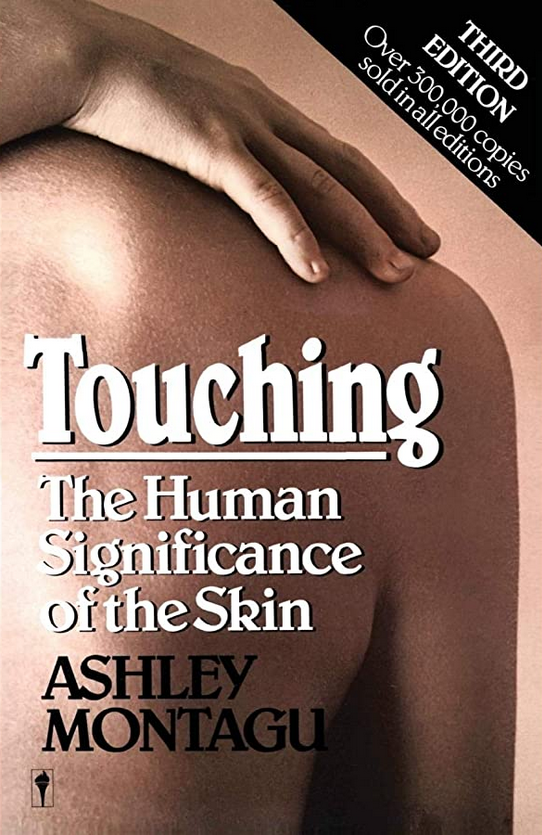
Touching: The Human Significance of the Skin PDF - اشلي مونتاجو
اشلي مونتاجو • انثروبولوجيا • ٣٦٠ الصفحات
(0)
المؤلف
اشلي مونتاجوالفئة
علوم اجتماعيةالقسم
عدد التنزيلات
٦١
عدد القراءات
١٩٦
حجم الملف
15.75 MB
المشاهدات
١٬٤٢٤
اقتباس
مراجعة
حفظ
مشاركة
وصف الكتاب
Touching: The Human Significance of the Skin by Ashley Montagu
Touching: The Human Significance of the Skin by Ashley Montagu is a thoughtful and influential exploration of one of the most fundamental human experiences: the sense of touch. First published in 1971, this hardcover work examines the skin not simply as a biological covering, but as a deeply meaningful organ of communication, development, emotional connection, and human identity. Montagu, known for his work in anthropology and human behavior, brings together scientific observation, psychological insight, and humanistic reflection to show how touch shapes the way people grow, relate, and understand the world around them.
At the center of the book is a powerful idea: the skin is not merely a boundary between the body and the outside world, but a living medium through which human beings experience comfort, security, affection, and connection. Long before a child can speak, reason, or interpret complex social signals, touch is already present as a first language. Through holding, warmth, closeness, and physical care, the infant begins to learn whether the world is safe, responsive, and welcoming. Montagu treats this early tactile experience as essential to human development, making the book especially valuable for readers interested in developmental psychology, child care, parenting, anthropology, health, and human relationships.
A Human and Scientific Study of Touch
Unlike books that treat the skin only as a subject of anatomy or medicine, Touching: The Human Significance of the Skin approaches the skin as an organ of both body and mind. Montagu examines the ways in which touch contributes to emotional growth, social bonding, and psychological well-being. His discussion moves beyond the physical mechanics of sensation to consider what touch means in everyday life: the reassuring embrace, the comforting hand, the closeness between parent and child, and the quiet forms of care that words often cannot replace.
This makes the book a rich and layered study of the importance of touch in human life. Montagu’s writing helps the reader understand that touch is not a luxury or an optional form of affection, but a vital human need. In infancy, touch supports attachment and a sense of safety. In childhood, it can reinforce trust and belonging. In adulthood, it remains connected to intimacy, reassurance, empathy, and emotional support. In later life, touch may carry special significance as a sign of presence, dignity, and human recognition. Across all stages of life, Montagu presents touch as a central part of what it means to be human.
The Skin as the First Language of Human Connection
One of the most compelling aspects of Ashley Montagu’s Touching is its emphasis on the skin as the earliest channel of communication. Before speech develops, before a child understands facial expressions or social rules, the skin receives and interprets the world. Warmth, pressure, rhythm, closeness, and contact all communicate meaning. A baby held with tenderness experiences more than physical support; that contact can become part of the foundation for emotional security.
Montagu’s focus on the early relationship between caregiver and child makes the book especially relevant to readers searching for works about mother-infant bonding, early childhood development, tactile stimulation, emotional growth, and the psychology of affection. He argues that touch plays a formative role in shaping human behavior, not only because it stimulates the body, but because it helps create the emotional conditions in which healthy development can occur. The book invites readers to see ordinary acts of care—holding, carrying, soothing, and comforting—as deeply significant human practices.
Touch, Deprivation, and Emotional Development
A major theme in Touching: The Human Significance of the Skin is the effect of touch deprivation. Montagu explores what can happen when human beings, especially infants and children, are deprived of adequate physical contact and nurturing care. His discussion highlights the possible emotional and developmental consequences of insufficient tactile experience, connecting the subject of touch to broader questions of mental health, personality, trust, and social behavior.
The book’s treatment of deprivation gives it lasting relevance for readers interested in sensory deprivation, attachment, child psychology, emotional neglect, and the role of physical affection in development. Montagu does not reduce human life to simple biological mechanisms; instead, he shows how physical and emotional needs are intertwined. The body and the mind are not separate realms in his account. The need to be touched, held, and comforted belongs to the whole person.
This perspective makes the book useful not only for parents and caregivers, but also for educators, psychologists, nurses, physicians, social workers, therapists, and anyone concerned with human welfare. It encourages a more compassionate understanding of human behavior by reminding readers that emotional resilience often begins with experiences that are physical, relational, and deeply personal.
Why This Book Matters for Parents, Caregivers, and Students
For parents and caregivers, Touching offers a meaningful framework for understanding the value of affectionate care. It helps explain why physical closeness can matter so much in early life and why nurturing contact should not be dismissed as sentimental or secondary. Montagu’s work supports the idea that tenderness, holding, and responsive care are not signs of weakness or indulgence, but essential parts of human development.
For students of psychology, anthropology, nursing, medicine, or education, the book provides a broad and thought-provoking introduction to the human significance of the skin. It connects the biological sense of touch with culture, behavior, development, and emotional life. Readers interested in human biology, nonverbal communication, child development, caregiving practices, and the relationship between body and mind will find the book especially rewarding.
For general readers, the book offers a fresh way to think about something familiar. Everyone knows touch from daily life, yet few people stop to consider how deeply it affects identity, comfort, memory, and connection. Montagu’s writing encourages readers to pay attention to the quiet forms of contact that shape human experience: a hand placed gently on a shoulder, a child being carried, a patient being cared for, or an elderly person being treated with warmth and dignity.
A Classic Work on the Meaning of Human Contact
Part of the lasting appeal of Touching: The Human Significance of the Skin lies in its ability to cross disciplinary boundaries. It is a book about the skin, but also about affection. It is a book about biology, but also about society. It is a book about infancy, but also about the entire human lifespan. Montagu’s central insight remains powerful because it speaks to a universal reality: people are embodied beings, and their emotional lives are shaped through bodily experience.
The book also stands out because it treats touch with seriousness and respect. In many modern societies, touch can be misunderstood, restricted, neglected, or reduced to narrow meanings. Montagu restores its wider human importance. He reminds readers that touch can be protective, healing, communicative, and affirming. It can express care when language fails. It can create connection where isolation has taken hold. It can communicate belonging before a single word is spoken.
Reading Experience and Lasting Value
The reading experience of Touching is both informative and reflective. Montagu writes from a perspective that combines scientific curiosity with concern for human well-being. While some of the research context belongs to the period in which the book was written, the central subject remains deeply relevant. Questions about attachment, early development, loneliness, care, physical affection, and emotional health continue to matter today, perhaps even more in an age when many forms of human connection are increasingly mediated by screens and distance.
Readers should approach the book as a classic and historically significant work: one that helped draw attention to the importance of touch and the human meanings of the skin. Its value lies not only in the information it presents, but in the way it changes the reader’s perception of ordinary human contact. After reading Montagu, touch may no longer seem like a simple physical sensation. It becomes a form of communication, a foundation for trust, and a vital expression of human presence.
A Deep Exploration of the Body, Care, and Human Belonging
Touching: The Human Significance of the Skin by Ashley Montagu is an important book for anyone interested in the relationship between the body and the emotional life. It shows how the skin connects people to the world, to one another, and to their earliest experiences of safety and care. Through its exploration of touch, development, affection, and human contact, the book offers a rich understanding of why physical closeness has such lasting psychological and social meaning.
This is a valuable title for readers searching for books about touch, the human skin, developmental psychology, nonverbal communication, parenting, emotional bonding, anthropology, and the science of human connection. More than a study of a sense organ, it is a study of human need. Montagu’s book invites readers to recognize that to touch and to be touched are not minor details of life, but central experiences through which people learn comfort, trust, compassion, and belonging.
اشلي مونتاجو
آشلي مونتاغو، المولود باسم إسرائيل إهرنبرغ في لندن عام 1905 والمتوفى في برينستون عام 1999، يُعد واحدًا من أبرز الأنثروبولوجيين والكتّاب الإنسانيين في القرن العشرين، وقد اشتهر بقدرته النادرة على تحويل البحث العلمي المعقّد إلى خطاب ثقافي واجتماعي مفهوم لجمهور واسع من القراء. ارتبط اسم آشلي مونتاغو بدراسة الإنسان من زاوية تجمع بين الأنثروبولوجيا الجسدية، وعلم الاجتماع، وعلم النفس، والتربية، والفلسفة الإنسانية، ولذلك لا يُقرأ بوصفه عالمًا أكاديميًا فحسب، بل بوصفه مفكرًا عامًا دافع عن كرامة الإنسان وعن فكرة أن المعرفة العلمية يجب أن تُستخدم لمقاومة التعصب والعنصرية والعنف. درس مونتاغو في بريطانيا ثم في الولايات المتحدة، وتأثر بمدارس فكرية كبرى في الأنثروبولوجيا الحديثة، ولا سيما الاتجاه الذي قاوم التفسيرات البيولوجية السطحية للفوارق بين البشر. من أشهر أعماله كتاب «أخطر أسطورة صنعها الإنسان: مغالطة العرق»، وهو من الكتب الأساسية في نقد مفهوم العرق بوصفه أداة أيديولوجية أكثر منه حقيقة علمية صلبة، وفيه قدّم مونتاغو حجة واضحة ضد العنصرية العلمية، مؤكدًا أن الاختلافات البشرية لا تبرر التراتب أو التمييز أو الادعاء بتفوق جماعة على أخرى. كما عُرف بكتابه «التفوق الطبيعي للنساء»، الذي أثار نقاشًا واسعًا لأنه دافع عن قراءة مختلفة للنوع الاجتماعي، محاولًا إظهار أن كثيرًا من الأحكام الشائعة عن النساء والرجال هي أحكام ثقافية موروثة وليست حقائق بيولوجية مطلقة. وكتب أيضًا عن اللمس، والطفولة، والنمو الإنساني، والحب، والعنف، والشيخوخة، والولادة، وطبيعة الإنسان الاجتماعية، مما جعل مشروعه الفكري متشعبًا لكنه متماسك في جوهره: الإنسان لا يكتمل إلا داخل علاقات الرعاية والتواصل والتعلم المتبادل. تميّز أسلوب آشلي مونتاغو بالوضوح والجرأة والقدرة على الجمع بين الاستشهاد العلمي والنبرة الأخلاقية، فكان يكتب للقارئ العام من دون أن يتخلى عن خلفيته البحثية. وقد ساهم في النقاشات الدولية حول العرق بعد الحرب العالمية الثانية، وكان من الأصوات التي شددت على ضرورة تنقية الخطاب العلمي من الأساطير التي غذّت الاستعمار والنازية والتمييز. لم تكن شهرته محصورة في الجامعة، إذ ظهر في الإعلام وشارك في حوارات عامة حول التربية، والعلاقات الأسرية، والاختلاف الثقافي، ومعنى الإنسانية في العصر الحديث. ولذلك تُعد مؤلفاته مناسبة لقراء الأنثروبولوجيا، وتاريخ الأفكار، ودراسات العرق، والنظرية النسوية، وعلم النفس الإنساني، وكل من يبحث عن كاتب يجمع بين المعرفة الموسوعية والالتزام الأخلاقي. إن أهمية آشلي مونتاغو لا تكمن فقط في كتبه المشهورة، بل في موقفه المستمر من الإنسان بوصفه كائنًا قابلًا للتعلم والتعاطف والتطور، لا أسيرًا لحتميات عرقية أو بيولوجية ضيقة. وبفضل هذا المنظور، بقيت كتاباته حاضرة في مكتبات القراء والباحثين، لأنها تناقش أسئلة لا تزال ملحّة: ما معنى أن نكون بشرًا، وكيف نفهم الاختلاف، وكيف نستبدل الخوف من الآخر بفهم علمي وإنساني أعمق.
اكسب مكافآت أثناء القراءة!
كل 10 صفحات تقرؤها وتقضى فيها 30 ثانية تمنحك 5 نقاط مكافأة! واصل القراءة لفتح الإنجازات والمزايا الحصرية.
اقرأ
قيم الآن
5 نجوم
4 نجوم
3 نجوم
2 نجوم
1 نجوم
اقتباسات Touching: The Human Significance of the Skin
الأعلى تقييماً
الأحدث
اقتباس
كن أول من يترك اقتباسًا واكسب 10 نقاط
بدلاً من 3
كتب أخرى لـ اشلي مونتاجو
كتب أخرى مشابهة Touching: The Human Significance of the Skin
'%20/%3e%3c/svg%3e "Cultural Anthropology: Global Forces, Local Lives, 3rd ed.")
2214
الإنجليزية
التعليقات
كن أول من يترك تعليقًا واكسب 5 نقاط
بدلاً من 3