

مصدر الكتاب
تم نشر هذا الكتاب بهدف النفع العام، وذلك بموجب رخصة المشاع الإبداعي، أو بناءً على موافقة من المؤلف أو دار النشر. في حال وجود أي اعتراض على النشر، يُرجى التواصل معنا لنتخذ الإجراء المناسب.
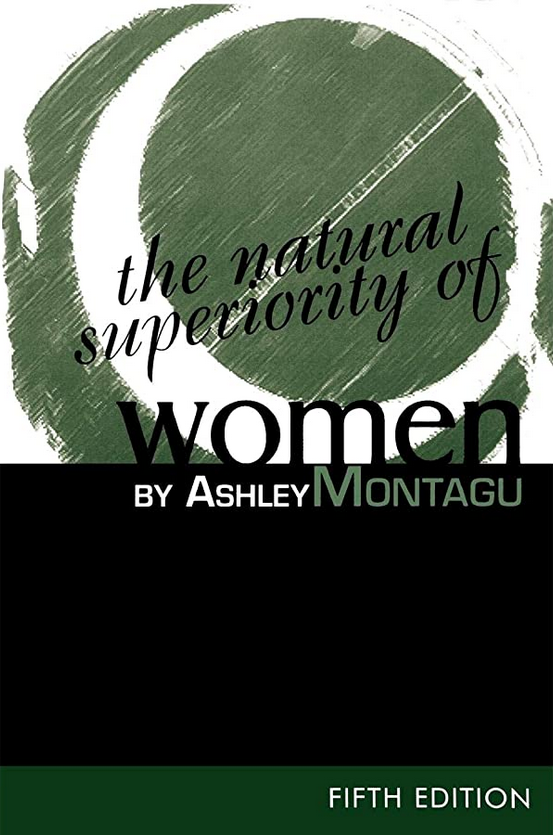
The Natural Superiority of Women PDF - اشلي مونتاجو
اشلي مونتاجو • انثروبولوجيا • ٦٠١ الصفحات
(0)
المؤلف
اشلي مونتاجوالفئة
علوم اجتماعيةالقسم
عدد التنزيلات
٥٢
عدد القراءات
٢٤٧
حجم الملف
2.46 MB
المشاهدات
١٬٧٠٨
اقتباس
مراجعة
حفظ
مشاركة
وصف الكتاب
The Natural Superiority of Women by Ashley Montagu
The Natural Superiority of Women by Ashley Montagu is a bold, provocative, and historically significant work of feminist social thought, anthropology, and gender studies. First published in 1953, the book became known as one of the early arguments against biological determinism, challenging the long-standing assumption that women were naturally inferior to men. Rather than accepting inherited cultural myths about the “weaker sex,” Montagu uses anthropology, biology, social criticism, and humanist reasoning to question how ideas about women’s roles have been shaped, repeated, and defended across societies.
A Classic Argument Against Female Inferiority
At the heart of The Natural Superiority of Women is Montagu’s rejection of the belief that women’s social position is the result of natural weakness or biological limitation. The book argues that many claims about women’s inferiority are not neutral scientific truths, but social ideas supported by custom, prejudice, and selective interpretation. Montagu examines the relationship between sex and gender, biology and culture, genetics and social roles, showing how deeply gender expectations can influence what a society calls “natural.”
This makes the book especially important for readers interested in feminist theory, women’s studies, anthropology, sociology, gender roles, and the history of ideas about women. Montagu does not write only as a critic of inequality; he writes as a scholar attempting to turn a common argument on its head. If biology had often been used to justify women’s exclusion, Montagu asks whether the same biological and social evidence might instead reveal women’s strength, resilience, adaptability, and central importance to human survival.
Biology, Culture, and the Debate Over Gender
One of the main strengths of the book is the way it places biology and culture in conversation. Montagu was trained in physical anthropology, and he uses that background to challenge simplistic ideas about male superiority. The book discusses women’s biological, genetic, physical, emotional, and social qualities in order to question the inherited belief that men are naturally better suited for intelligence, creativity, leadership, or social authority. Bloomsbury’s description of the fifth edition notes that Montagu critiques the idea of women as the “weaker sex” and presents women’s biological, genetic, and physical makeup as evidence not only of equality, but of superiority.
Modern readers may approach the title with curiosity, agreement, skepticism, or even discomfort, because the phrase natural superiority can sound essentialist by contemporary standards. Yet the book is best understood within its historical purpose: Montagu was writing against a powerful tradition that used biology to diminish women. His argument works as a reversal of that tradition, exposing the weakness of male-centered assumptions and opening a wider debate about how societies define value, ability, intelligence, emotion, and strength.
A Book About Women, Power, and Social Myths
The Natural Superiority of Women is not only about biological difference. It is also about the cultural myths that have shaped women’s lives. Montagu examines how social institutions, traditions, and inherited beliefs have contributed to the subjection of women. The book’s chapter topics include themes such as The Subjection of Women, The Social Determinants of Biological “Facts” and Social Consequences, The Intelligence of the Sexes, Women and Creativity, Mutual Aid, and Changing Traditions, showing the wide scope of its argument.
Through these themes, Montagu invites readers to reconsider what societies reward and what they devalue. Qualities often associated with women—cooperation, emotional intelligence, nurturance, patience, social sensitivity, and mutual aid—are frequently treated as secondary to competition, domination, or physical power. Montagu challenges that hierarchy. He suggests that the traits often dismissed as “feminine” may be among the most essential qualities for healthy human relationships and just social life.
A Humanist View of Feminism and Equality
Although the book’s title emphasizes superiority, its deeper concern is human equality, dignity, and social justice. Montagu’s argument does not simply replace one form of prejudice with another; it pushes readers to examine why certain traits have been valued over others and why women’s contributions have so often been minimized. His humanist perspective gives the book a broader ethical dimension, making it relevant not only as a work about women, but as a work about the kind of society human beings should build.
This is why The Natural Superiority of Women continues to attract readers interested in women’s rights, feminist history, gender equality, social anthropology, and critiques of sexism. It speaks to questions that remain important today: How much of what we call “natural” is shaped by culture? Who benefits when gender roles are treated as fixed? How do scientific claims become entangled with social power? And how can a society recognize women’s intelligence, creativity, labor, and emotional strength without forcing them into narrow stereotypes?
Historical Importance and Later Editions
The book has appeared in several editions, reflecting its continuing relevance in debates about feminism and gender. A 1974 Collier Books edition is listed as a work in social science and includes subjects such as women, feminism, and sex role. A later fifth edition, published by AltaMira Press in 1999, contains 336 pages and includes additional contextual material, including a foreword by Susan Sperling and Montagu’s preface to the fifth edition.
These later editions matter because the book’s arguments were not static. As feminist theory, anthropology, and social science changed over the second half of the twentieth century, the conversation around Montagu’s claims also changed. Readers today may not accept every argument in the same way earlier audiences did, especially where scientific language or gender categories reflect the assumptions of their time. Still, the book remains valuable as a pioneering intervention in the history of feminist thought and as a challenge to the intellectual habits that have long justified women’s inequality.
Who Should Read The Natural Superiority of Women?
The Natural Superiority of Women is a strong choice for readers who want a thoughtful and historically grounded book about gender, feminism, biology, social roles, and women’s intellectual history. It will appeal to students of anthropology, sociology, psychology, history, gender studies, and feminist theory, as well as general readers interested in how scientific and cultural arguments have been used to define women’s place in society.
The book is also useful for readers who enjoy works that challenge inherited assumptions. Montagu’s style is argumentative, confident, and wide-ranging. He writes from the perspective of a scholar who wants to confront prejudice directly, but also from the perspective of a humanist concerned with the emotional and social conditions necessary for a better world. Readers looking for a neutral textbook may find the book more polemical than detached, but those interested in a classic feminist argument against sexism will find it rich, memorable, and intellectually stimulating.
A Thought-Provoking Work on Gender, Science, and Society
The Natural Superiority of Women by Ashley Montagu remains an important work because it asks readers to reconsider the foundations of gender belief. Its central challenge is not merely that women have been underestimated, but that the very standards used to judge strength, intelligence, creativity, and social value have often been shaped by male-centered assumptions. By turning the language of biological superiority against the traditions that claimed women were inferior, Montagu opens a powerful debate about science, culture, justice, and human possibility.
For anyone searching for a classic book on women’s studies, feminist anthropology, gender roles, biological determinism, sexism, and the social construction of female inferiority, this title offers a distinctive and historically meaningful reading experience. It is a book that encourages reflection, disagreement, discussion, and re-evaluation. More than a simple claim about women and men, it is a challenge to the myths that societies inherit—and to the ways those myths can be questioned, revised, and transformed.
اشلي مونتاجو
آشلي مونتاغو، المولود باسم إسرائيل إهرنبرغ في لندن عام 1905 والمتوفى في برينستون عام 1999، يُعد واحدًا من أبرز الأنثروبولوجيين والكتّاب الإنسانيين في القرن العشرين، وقد اشتهر بقدرته النادرة على تحويل البحث العلمي المعقّد إلى خطاب ثقافي واجتماعي مفهوم لجمهور واسع من القراء. ارتبط اسم آشلي مونتاغو بدراسة الإنسان من زاوية تجمع بين الأنثروبولوجيا الجسدية، وعلم الاجتماع، وعلم النفس، والتربية، والفلسفة الإنسانية، ولذلك لا يُقرأ بوصفه عالمًا أكاديميًا فحسب، بل بوصفه مفكرًا عامًا دافع عن كرامة الإنسان وعن فكرة أن المعرفة العلمية يجب أن تُستخدم لمقاومة التعصب والعنصرية والعنف. درس مونتاغو في بريطانيا ثم في الولايات المتحدة، وتأثر بمدارس فكرية كبرى في الأنثروبولوجيا الحديثة، ولا سيما الاتجاه الذي قاوم التفسيرات البيولوجية السطحية للفوارق بين البشر. من أشهر أعماله كتاب «أخطر أسطورة صنعها الإنسان: مغالطة العرق»، وهو من الكتب الأساسية في نقد مفهوم العرق بوصفه أداة أيديولوجية أكثر منه حقيقة علمية صلبة، وفيه قدّم مونتاغو حجة واضحة ضد العنصرية العلمية، مؤكدًا أن الاختلافات البشرية لا تبرر التراتب أو التمييز أو الادعاء بتفوق جماعة على أخرى. كما عُرف بكتابه «التفوق الطبيعي للنساء»، الذي أثار نقاشًا واسعًا لأنه دافع عن قراءة مختلفة للنوع الاجتماعي، محاولًا إظهار أن كثيرًا من الأحكام الشائعة عن النساء والرجال هي أحكام ثقافية موروثة وليست حقائق بيولوجية مطلقة. وكتب أيضًا عن اللمس، والطفولة، والنمو الإنساني، والحب، والعنف، والشيخوخة، والولادة، وطبيعة الإنسان الاجتماعية، مما جعل مشروعه الفكري متشعبًا لكنه متماسك في جوهره: الإنسان لا يكتمل إلا داخل علاقات الرعاية والتواصل والتعلم المتبادل. تميّز أسلوب آشلي مونتاغو بالوضوح والجرأة والقدرة على الجمع بين الاستشهاد العلمي والنبرة الأخلاقية، فكان يكتب للقارئ العام من دون أن يتخلى عن خلفيته البحثية. وقد ساهم في النقاشات الدولية حول العرق بعد الحرب العالمية الثانية، وكان من الأصوات التي شددت على ضرورة تنقية الخطاب العلمي من الأساطير التي غذّت الاستعمار والنازية والتمييز. لم تكن شهرته محصورة في الجامعة، إذ ظهر في الإعلام وشارك في حوارات عامة حول التربية، والعلاقات الأسرية، والاختلاف الثقافي، ومعنى الإنسانية في العصر الحديث. ولذلك تُعد مؤلفاته مناسبة لقراء الأنثروبولوجيا، وتاريخ الأفكار، ودراسات العرق، والنظرية النسوية، وعلم النفس الإنساني، وكل من يبحث عن كاتب يجمع بين المعرفة الموسوعية والالتزام الأخلاقي. إن أهمية آشلي مونتاغو لا تكمن فقط في كتبه المشهورة، بل في موقفه المستمر من الإنسان بوصفه كائنًا قابلًا للتعلم والتعاطف والتطور، لا أسيرًا لحتميات عرقية أو بيولوجية ضيقة. وبفضل هذا المنظور، بقيت كتاباته حاضرة في مكتبات القراء والباحثين، لأنها تناقش أسئلة لا تزال ملحّة: ما معنى أن نكون بشرًا، وكيف نفهم الاختلاف، وكيف نستبدل الخوف من الآخر بفهم علمي وإنساني أعمق.
اكسب مكافآت أثناء القراءة!
كل 10 صفحات تقرؤها وتقضى فيها 30 ثانية تمنحك 5 نقاط مكافأة! واصل القراءة لفتح الإنجازات والمزايا الحصرية.
اقرأ
قيم الآن
5 نجوم
4 نجوم
3 نجوم
2 نجوم
1 نجوم
اقتباسات The Natural Superiority of Women
الأعلى تقييماً
الأحدث
اقتباس
كن أول من يترك اقتباسًا واكسب 10 نقاط
بدلاً من 3
كتب أخرى لـ اشلي مونتاجو
كتب أخرى مشابهة The Natural Superiority of Women
'%20/%3e%3c/svg%3e "Cultural Anthropology: Global Forces, Local Lives, 3rd ed.")
2214
الإنجليزية
التعليقات
كن أول من يترك تعليقًا واكسب 5 نقاط
بدلاً من 3