

مصدر الكتاب
تم نشر هذا الكتاب بهدف النفع العام، وذلك بموجب رخصة المشاع الإبداعي، أو بناءً على موافقة من المؤلف أو دار النشر. في حال وجود أي اعتراض على النشر، يُرجى التواصل معنا لنتخذ الإجراء المناسب.
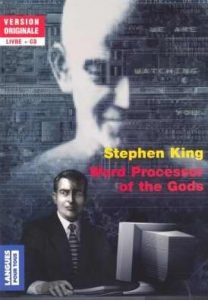
Word Processor of the Gods PDF - ستيفن كينغ
ستيفن كينغ • روايات الخيال العلمي • ٢٥ الصفحات
(0)
اقتباس
مراجعة
حفظ
مشاركة
وصف الكتاب
Stephen King’s “Word Processor of the Gods” is a fantasy-horror short story, not a full-length novel, first published in the January 1983 issue of Playboy under the original title “The Word Processor.” Its first publisher was Playboy Media Corp., and the story was later collected in King’s 1985 short story collection Skeleton Crew, published by Putnam. Stephen King, one of the most influential American horror writers, uses this compact story to explore wish fulfillment, moral compromise, family resentment, and the dangerous temptation to revise reality itself.
“Word Processor of the Gods” centers on Richard Hagstrom, a middle-aged writer and teacher whose life is marked by disappointment. He feels trapped in an unhappy marriage to his harsh, unpleasant wife, Lina, and alienated from his son, Seth, who treats him with contempt. Richard also carries emotional regret connected to Belinda, a woman he once loved but who married his brother Roger instead. King establishes Richard as a man who has spent years accepting a life that feels wrong, making the story’s supernatural premise both disturbing and psychologically understandable.
The story begins after a tragedy. Richard’s brother Roger, described as abusive and reckless, dies in a drunk-driving accident that also kills Belinda and their kind, intelligent son Jonathan. After Jonathan’s death, Richard receives a homemade word processor the boy had built for him as a birthday gift. The machine is strange, fragile, and assembled from mismatched parts, but it carries a message that reveals Jonathan’s affection for his uncle. This emotional connection gives the device a deeper meaning: it is not only a machine but also the last gift from the one family member Richard truly admired.
Richard soon discovers that the word processor has impossible power. What he types can alter the real world. When he deletes something from the screen, that thing can disappear from existence. When he adds or changes details, reality adjusts around him. At first, Richard tests the machine cautiously, but the discovery quickly becomes a moral crisis. The word processor gives him the ability to correct the parts of life that have caused him pain, but every correction requires him to decide who deserves to remain real and who can be erased.
The plot grows darker when Richard hears his son Seth insulting him. In anger and frustration, Richard deletes Seth from existence. The result is immediate and terrifying: Seth’s room changes, memories and evidence of his life vanish, and the world behaves as though he never existed. This moment is central to the story’s unsettling power. King does not present the machine as a simple magical gift; it exposes the violence hidden inside Richard’s resentment. The fantasy of starting over becomes morally disturbing because Richard’s new freedom depends on removing people from reality.
Richard then turns the same power against Lina. After she returns home and continues to belittle him, he deletes her too. The story pushes its wish-fulfillment premise to an extreme, forcing readers to question whether Richard is a victim escaping misery or a man abusing divine power. The title “Word Processor of the Gods” suggests godlike authority, but King’s treatment of that authority is uneasy. Richard can rewrite existence, yet he is still driven by ordinary human bitterness, loneliness, and regret.
As the machine begins to fail, Richard makes his final changes. He rewrites reality so that Jonathan becomes his son and Belinda becomes his wife. The broken family he lost, or believes he should have had, replaces the family he has erased. The story ends with Richard facing a new version of life in which Jonathan is alive and calls him “Dad.” The ending can be read as comforting, sinister, or both. Richard receives the family he wanted, but the cost is the erasure of his original wife and son.
Stephen King’s “Word Processor of the Gods” is memorable because it turns a simple technological object into a supernatural instrument of desire. Written during the early personal-computer era, the story uses the word processor as a symbol of revision: writers change sentences, but Richard changes lives. Its plot is brief and direct, yet it raises lasting questions about regret, responsibility, and the fantasy of deleting one’s mistakes. As part of Skeleton Crew, it stands among King’s shorter works as a sharp example of how everyday dissatisfaction can become horror when ordinary wishes are granted too completely.
ستيفن كينغ
ستيفن كينج هو مؤلف أمريكي اشتهر بإسهاماته في أنواع الرعب والخيال الخارق للطبيعة والتشويق. ولد في بورتلاند بولاية مين عام 1947 وبدأ حياته المهنية في الكتابة عندما كان مراهقًا ، حيث قدم قصصًا قصيرة إلى مجلات مختلفة. بعد تخرجه من الكلية ، عمل كنغ كمدرس بينما استمر في الكتابة في أوقات فراغه. نُشرت روايته الرائعة "كاري" في عام 1974 وأصبحت من أكثر الكتب مبيعًا ، حيث بدأ مسيرته المهنية ككاتب متفرغ.
اشتهر كينج بإنتاجه الغزير ، حيث كتب أكثر من 60 رواية و 200 قصة قصيرة طوال حياته المهنية. تم تكييف العديد من كتبه في أفلام ومسلسلات تلفزيونية ناجحة ، مثل "الساطع" و "الشيء" و "المنصة". وقد فاز أيضًا بالعديد من الجوائز عن عمله ، بما في ذلك جائزة برام ستوكر ، وجائزة وورلد فانتسي ، والميدالية الوطنية للفنون.
يتميز أسلوب كينغ في الكتابة بقدرته على إنشاء صور حية ومخيفة في كثير من الأحيان ، بالإضافة إلى تركيزه على استكشاف الجوانب الأكثر ظلمة للنفسية البشرية. لقد تناول مجموعة واسعة من الموضوعات في عمله ، من ما هو خارق للطبيعة وخوارق إلى موضوعات أكثر ترسخًا مثل الإدمان وديناميات الأسرة وصراعات الحياة اليومية.
على الرغم من نجاحه ، واجه كينج أيضًا انتقادات بسبب المحتوى الرسومي والعنيف لعمله. ومع ذلك ، لا يزال أحد الكتاب الأكثر شهرة وتأثيراً في جيله ، مع جحافل من المعجبين حول العالم ينتظرون بفارغ الصبر إطلاق سراحه التالي.
بالإضافة إلى كتاباته ، كان كينج أيضًا مدافعًا عن قضايا مختلفة ، بما في ذلك حرية التعبير ومراقبة السلاح. لقد كان نشطًا على وسائل التواصل الاجتماعي ، وغالبًا ما يشارك أفكاره حول الأحداث الجارية ويتفاعل مع معجبيه.
اكسب مكافآت أثناء القراءة!
كل 10 صفحات تقرؤها وتقضى فيها 30 ثانية تمنحك 5 نقاط مكافأة! واصل القراءة لفتح الإنجازات والمزايا الحصرية.
اقرأ
قيم الآن
5 نجوم
4 نجوم
3 نجوم
2 نجوم
1 نجوم
اقتباسات Word Processor of the Gods
الأعلى تقييماً
الأحدث
اقتباس
كن أول من يترك اقتباسًا واكسب 10 نقاط
بدلاً من 3
'%20/%3e%3c/svg%3e "Carrie")
التعليقات
كن أول من يترك تعليقًا واكسب 5 نقاط
بدلاً من 3