

مصدر الكتاب
تم نشر هذا الكتاب بهدف النفع العام، وذلك بموجب رخصة المشاع الإبداعي، أو بناءً على موافقة من المؤلف أو دار النشر. في حال وجود أي اعتراض على النشر، يُرجى التواصل معنا لنتخذ الإجراء المناسب.
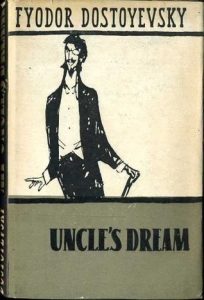
Uncle’s Dream PDF - فيودور دوستويفسكي
فيودور دوستويفسكي • أدب • ١٧٢ الصفحات
(0)
اقتباس
مراجعة
حفظ
مشاركة
وصف الكتاب
Uncle’s Dream by Fyodor Dostoevsky
Uncle’s Dream by Fyodor Dostoevsky is a witty, sharply observant Russian classic novella that reveals a lighter, more comic side of one of world literature’s most psychologically powerful authors. First published in 1859, the novella belongs to an important period in Dostoevsky’s career, appearing after the author’s years of exile and before the great novels that would later define his international reputation.
Set in the fictional provincial town of Mordasovo, Uncle’s Dream follows the schemes, ambitions, vanities, and social anxieties of a small community where reputation matters almost as much as truth. At the center of the story is Maria Alexandrovna Moskaleva, a socially ambitious woman determined to secure a brilliant future for her daughter, Zinaida. When an elderly prince arrives in town, Maria sees an opportunity to transform her family’s position through marriage, setting in motion a comedy of manipulation, misunderstanding, and social performance.
A Satirical Classic of Russian Provincial Life
Unlike the darker philosophical intensity often associated with Fyodor Dostoevsky, Uncle’s Dream is driven by satire, farce, and comic social observation. The novella exposes the absurdity of provincial high society, where gossip travels quickly, appearances are carefully staged, and moral principles often bend under the pressure of ambition. Its humor is lively, but it is never empty; beneath the comic surface, Dostoevsky examines pride, self-deception, class aspiration, romantic disappointment, and the fragile boundary between sincere feeling and calculated behavior.
The book is especially appealing for readers who want to explore Dostoevsky’s shorter fiction or discover a less familiar work by the author of Crime and Punishment, The Idiot, Demons, and The Brothers Karamazov. While Uncle’s Dream does not have the immense tragic architecture of those later masterpieces, it contains many of the qualities that make Dostoevsky enduring: vivid characterization, emotional contradiction, moral tension, theatrical dialogue, and a deep interest in the strange ways people justify their own desires.
A Story of Ambition, Marriage, and Social Performance
The plot of Uncle’s Dream turns on a proposed marriage that is less a matter of love than a strategy for status. Maria Alexandrovna imagines that a match between her daughter and the aging Prince K. could rescue their social standing and open a path to wealth, respectability, and influence. Zinaida, however, is not simply a passive figure in her mother’s plan. Her own emotional history, dignity, and resistance give the story a human seriousness that balances the comic energy surrounding her.
Dostoevsky builds the novella around conversations, rumors, persuasion, and performance. Characters speak in order to impress, conceal, flatter, dominate, or escape embarrassment, and the result is a story where language itself becomes a social weapon. The “dream” of the title reflects more than one character’s confusion; it also suggests the illusions that drive an entire society—dreams of rank, romance, wealth, beauty, admiration, and moral superiority.
Dostoevsky’s Humor and Psychological Insight
Readers searching for Uncle’s Dream summary, Dostoevsky satire, or classic Russian literature will find that this novella offers an accessible entry point into the author’s world. The tone is playful and ironic, yet the emotional stakes remain meaningful. Dostoevsky presents characters who are often ridiculous but rarely flat. Even when they are vain, manipulative, foolish, or self-important, they remain recognizably human.
This combination of comedy and psychological insight is one of the novella’s strongest qualities. Maria Alexandrovna’s ambition may seem outrageous, but it is rooted in recognizable fears about security, reputation, and the future. Zinaida’s situation reflects the limited choices available to women in a society where marriage can determine social identity. Prince K., with his vanity and vulnerability, becomes both a comic figure and an object of unease. Through them, Dostoevsky creates a social comedy that gradually reveals deeper moral discomfort.
Why Read Uncle’s Dream?
Uncle’s Dream is ideal for readers interested in nineteenth-century Russian fiction, literary satire, psychological fiction, and classic novellas with strong dialogue and memorable characters. It is also a valuable choice for anyone studying Dostoevsky’s development as a writer, because it shows him experimenting with comedy, social caricature, and dramatic structure before the mature philosophical novels for which he is best known.
The novella’s relatively compact form makes it approachable, but its themes are rich enough to reward careful reading. It explores how people behave when social advancement becomes a moral obsession, how families negotiate duty and desire, and how public reputation can distort private feeling. The result is a book that feels both rooted in its historical setting and surprisingly familiar in its portrayal of social pressure, ambition, and emotional compromise.
A Lighter but Still Revealing Dostoevsky
For many readers, the surprise of Uncle’s Dream by Fyodor Dostoevsky lies in its comic rhythm. The story moves through drawing rooms, conversations, schemes, and reversals with the pace of a social farce, yet Dostoevsky’s eye remains penetrating. He understands that comedy often exposes truths people would rather hide. Vanity, insecurity, romantic longing, and moral weakness all become visible when characters are placed under the pressure of gossip and expectation.
This makes Uncle’s Dream more than a minor curiosity in Dostoevsky’s bibliography. It is a distinctive work that broadens the reader’s understanding of the author. Dostoevsky is widely regarded for the psychological depth of his fiction, and this novella shows that his insight could operate not only through tragedy and philosophical conflict, but also through satire, irony, and comic exaggeration.
A Classic Novella for Readers of Russian Literature
Uncle’s Dream remains a rewarding read for those who appreciate books about society, ambition, family pressure, and the comedy of human weakness. Its provincial setting gives the story an intimate stage, while its characters reveal broad and lasting truths about status, self-deception, and the masks people wear in public life. The novella is entertaining, ironic, and sharply written, but it also carries the unmistakable Dostoevskian concern with conscience, dignity, and the consequences of moral compromise.
For readers beginning their journey into Fyodor Dostoevsky’s books, this novella offers a concise and engaging introduction to his talent for character and dialogue. For longtime admirers, it provides a fascinating glimpse of the author working in a comic mode, using satire to uncover the emotional and social tensions beneath polite society. Uncle’s Dream is a memorable classic of Russian literature—clever, theatrical, humane, and quietly unsettling in the way only Dostoevsky can be.
فيودور دوستويفسكي
كان فيودور دوستويفسكي روائيًا وفيلسوفًا وكاتب مقالات روسيًا ، ويُعتبر على نطاق واسع أحد أعظم الكتاب في الأدب الغربي. ولد في موسكو عام 1821 ونشأ في عائلة من الطبقة المتوسطة. كان والده طبيبًا يعالج الفقراء مجانًا ، الأمر الذي غرس في دوستويفسكي إحساسًا عميقًا بالعدالة الاجتماعية والتعاطف مع المضطهدين.
بدأ دوستويفسكي مسيرته الكتابية في أربعينيات القرن التاسع عشر بسلسلة من الروايات والقصص القصيرة التي استكشفت تعقيدات الطبيعة البشرية والجانب المظلم للمجتمع الروسي. نُشرت روايته الرئيسية الأولى "فقراء" عام 1846 وحظيت بإشادة النقاد. ومع ذلك ، كانت أعماله اللاحقة ، مثل "الجريمة والعقاب" و "الأبله" و "الأخوان كارامازوف" ، هي التي جعلت منه أستاذًا أدبيًا.
تشتهر كتابات دوستويفسكي بعمقها النفسي وموضوعاتها الفلسفية واستكشاف حالة الإنسان. غالبًا ما تصارع شخصياته مع المعضلات الأخلاقية والأسئلة الوجودية ، وتتصارع مع قضايا الإيمان والأخلاق ومعنى الحياة. تستكشف أعماله أيضًا القضايا السياسية والاجتماعية في عصره ، بما في ذلك الفقر والجريمة والقمع السياسي.
اتسمت حياة دوستويفسكي بمأساة شخصية واضطراب سياسي. تم القبض عليه في عام 1849 لتورطه مع مجموعة من المثقفين الليبراليين وحُكم عليه بالإعدام ، فقط لتخفف العقوبة إلى الأشغال الشاقة في سيبيريا. عاد إلى روسيا بعد أن قضى عقوبته ، لكنه استمر في النضال ضد الفقر والمرض طوال حياته. توفي عام 1881 عن عمر يناهز 59 عامًا.
على الرغم من حياته المضطربة ، فإن إرث دوستويفسكي ككاتب ومفكر لا يزال قائما. تستمر أعماله في القراءة والدراسة على نطاق واسع اليوم ، ولا تزال أفكاره حول الحالة الإنسانية ودور الإيمان في المجتمع تلقى صدى لدى القراء في جميع أنحاء العالم.
اكسب مكافآت أثناء القراءة!
كل 10 صفحات تقرؤها وتقضى فيها 30 ثانية تمنحك 5 نقاط مكافأة! واصل القراءة لفتح الإنجازات والمزايا الحصرية.
اقرأ
قيم الآن
5 نجوم
4 نجوم
3 نجوم
2 نجوم
1 نجوم
اقتباسات Uncle’s Dream
الأعلى تقييماً
الأحدث
اقتباس
كن أول من يترك اقتباسًا واكسب 10 نقاط
بدلاً من 3
'%20/%3e%3c/svg%3e "The Brothers Karamazov")
التعليقات
كن أول من يترك تعليقًا واكسب 5 نقاط
بدلاً من 3