

مصدر الكتاب
تم نشر هذا الكتاب بهدف النفع العام، وذلك بموجب رخصة المشاع الإبداعي، أو بناءً على موافقة من المؤلف أو دار النشر. في حال وجود أي اعتراض على النشر، يُرجى التواصل معنا لنتخذ الإجراء المناسب.
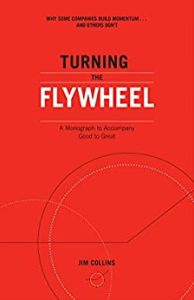
Turning the Flywheel PDF - جيم كولينز
جيم كولينز • الإدارة المالية • ٦٧ الصفحات
(0)
اقتباس
مراجعة
حفظ
مشاركة
وصف الكتاب
Turning the Flywheel: A Monograph to Accompany Good to Great by Jim Collins is a concise business book published in 2019 by Harper Business, with the U.S. paperback edition released on February 26, 2019. The book is short, focused, and practical, running about 46 pages in its Harper Business edition. It is not a novel but a management monograph designed to expand one of Collins’s most memorable ideas from Good to Great: the flywheel effect.
In Turning the Flywheel, Jim Collins explains how lasting success rarely comes from one dramatic breakthrough, one lucky decision, or one sudden innovation. Instead, great organizations build momentum through a sequence of disciplined actions that reinforce one another over time. Collins uses the image of a heavy flywheel: at first, pushing it requires great effort, but as each turn adds force to the next, the wheel begins to move faster. Eventually, accumulated effort produces momentum that can look sudden from the outside, even though it is the result of consistent work.
The book begins by connecting the flywheel concept to real organizational examples, most notably Amazon. Collins’s own website describes the monograph as beginning with the story of Amazon applying the flywheel idea after the dot-com crash, clarifying the drivers of its business momentum and using them to build what Collins calls relentless momentum. This example helps readers see that a flywheel is not a vague motivational metaphor. It is a specific strategic model: one action leads to another, each element strengthens the next, and the cycle repeats.
Collins encourages leaders to identify their own organization’s flywheel rather than copy another company’s model. A retailer, a school, a hospital, a nonprofit, or a technology company may all have different flywheels. The important task is to understand the chain of cause and effect that creates durable results. For example, an organization might improve customer experience, which increases loyalty, which drives growth, which funds better systems, which further improves customer experience. The exact sequence matters because it reveals where leaders should focus their energy.
A central message of Turning the Flywheel is that momentum depends on discipline. Collins warns against jumping from one initiative to another without understanding what truly drives progress. The flywheel works only when leaders keep pushing in a coherent direction. This makes the book especially useful for entrepreneurs, executives, managers, nonprofit leaders, and anyone trying to turn scattered activity into sustained performance.
The monograph also explains that the flywheel is not permanent unless it is protected and refreshed. Markets shift, organizations grow, and old assumptions can become weak. Collins does not present the flywheel as a magic formula; instead, he treats it as a thinking tool. Leaders must test their model against evidence, examine successes and failures, and refine the sequence until it reflects what actually works.
Because the book is brief, it reads more like a strategic guide than a full-length business classic. Its value lies in its clarity. Collins takes one concept from Good to Great and shows how to apply it in practical terms. Readers who already know Collins’s work will find it a useful companion, while new readers may see it as an accessible introduction to his broader ideas about disciplined leadership and organizational excellence.
Overall, Turning the Flywheel by Jim Collins is a compact but influential business book about how organizations build momentum through consistent, connected actions. Published by Harper Business in 2019, it offers a clear framework for understanding why success compounds over time and why leaders should focus less on dramatic breakthroughs and more on the repeated actions that make breakthroughs possible.
جيم كولينز
جيم كولينز كاتب وباحث ومحاضر أمريكي بارز في مجالات الإدارة والقيادة وبناء المؤسسات العظيمة، ويُعد واحدًا من أكثر الأسماء تأثيرًا في أدبيات الأعمال الحديثة بسبب قدرته على تحويل البحث طويل المدى إلى أفكار عملية تساعد القادة ورواد الأعمال والمديرين على فهم أسباب نجاح المؤسسات واستمرارها عبر الزمن. اشتهر كولينز بوصفه صاحب منهج بحثي صارم يدرس الشركات لا من خلال الشعارات السريعة أو الوصفات الجاهزة، بل من خلال المقارنة التاريخية، وتحليل الأداء، وتتبع القرارات القيادية التي تجعل بعض المؤسسات تنتقل من مستوى جيد إلى مستوى استثنائي، بينما تبقى مؤسسات أخرى عادية أو تتراجع بعد نجاحها. من أشهر كتبه Good to Great، الذي يبحث في سؤال محوري: كيف تستطيع شركة جيدة أن تصبح شركة عظيمة، وما العوامل التي تجعل هذا التحول ممكنًا؟ وقد جعل هذا الكتاب اسم جيم كولينز حاضرًا بقوة في عالم الإدارة لأنه قدّم مفاهيم مؤثرة مثل القيادة من المستوى الخامس، وفكرة اختيار الأشخاص المناسبين أولًا، ومفهوم القنفذ، ودولاب الزخم. كما شارك في تأليف Built to Last مع جيري بوراس، وهو كتاب يدرس العادات الناجحة للشركات صاحبة الرؤية، ويركز على كيفية بقاء المؤسسات قوية عبر أجيال متعددة من القادة، لا من خلال الاعتماد على شخصية فردية واحدة، بل من خلال ثقافة راسخة وقيم جوهرية وقدرة مستمرة على التجدد. وتمتد أعمال كولينز إلى كتب أخرى مهمة مثل Great by Choice، وHow the Mighty Fall، وBeyond Entrepreneurship، وGood to Great and the Social Sectors، وTurning the Flywheel، وBE 2.0، وهي أعمال تتناول موضوعات مثل القيادة في أوقات الفوضى، وأسباب سقوط المؤسسات القوية، وبناء الشركات الناشئة والمتوسطة، وتطبيق مبادئ التميز في القطاعات الاجتماعية والتعليمية والصحية والحكومية وغير الربحية. بدأ جيم كولينز مسيرته البحثية والتعليمية في كلية ستانفورد للدراسات العليا في إدارة الأعمال، حيث عُرف بأسلوبه التعليمي العميق وحصل على جائزة متميزة في التدريس عام 1992، ثم أسس في عام 1995 مختبرًا إداريًا في مدينة بولدر بولاية كولورادو ليواصل منه أبحاثه وتفاعله مع الرؤساء التنفيذيين وفرق القيادة العليا. يحمل كولينز درجة البكالوريوس في العلوم الرياضية ودرجة الماجستير في إدارة الأعمال من جامعة ستانفورد، كما حصل على درجات دكتوراه فخرية من جامعة كولورادو ومدرسة بيتر إف دراكر للدراسات العليا في الإدارة. ولا تقتصر أهميته على عالم الشركات، بل تشمل أيضًا المؤسسات ذات الرسالة العامة، لأنه يؤكد أن العظمة لا تُقاس فقط بالربح، وإنما بقدرة المنظمة على تحقيق أثر دائم، والانضباط في اتخاذ القرار، وبناء ثقافة مسؤولة تتجاوز الأشخاص المؤقتين. وفي كتابه الأحدث What to Make of a Life يوسّع كولينز نطاق اهتمامه من دراسة الشركات إلى دراسة الحياة الإنسانية والاختيارات المصيرية، مستندًا إلى مشروع بحثي طويل يتأمل كيف يبني الإنسان حياة ذات معنى خلال التحولات والأزمات. لهذا يُعد جيم كولينز مؤلفًا أساسيًا لكل قارئ يبحث عن كتب القيادة والإدارة الاستراتيجية وتطوير المؤسسات، لأن كتاباته تجمع بين البحث الأكاديمي واللغة الواضحة والأمثلة الواقعية والقدرة على إلهام القارئ للتفكير بعمق في معنى النجاح المستدام.
اكسب مكافآت أثناء القراءة!
كل 10 صفحات تقرؤها وتقضى فيها 30 ثانية تمنحك 5 نقاط مكافأة! واصل القراءة لفتح الإنجازات والمزايا الحصرية.
اقرأ
قيم الآن
5 نجوم
4 نجوم
3 نجوم
2 نجوم
1 نجوم
اقتباسات Turning the Flywheel
الأعلى تقييماً
الأحدث
اقتباس
كن أول من يترك اقتباسًا واكسب 10 نقاط
بدلاً من 3
كتب أخرى لـ جيم كولينز
'%20/%3e%3c/svg%3e "Built To Last: Successful Habits of Visionary Companies by Jim Collins")
جيم كولينز.
الإدارة المالية
(0)
2
الإنجليزية
كتب أخرى مشابهة Turning the Flywheel
13969
الإنجليزية
التعليقات
كن أول من يترك تعليقًا واكسب 5 نقاط
بدلاً من 3