

مصدر الكتاب
تم نشر هذا الكتاب بهدف النفع العام، وذلك بموجب رخصة المشاع الإبداعي، أو بناءً على موافقة من المؤلف أو دار النشر. في حال وجود أي اعتراض على النشر، يُرجى التواصل معنا لنتخذ الإجراء المناسب.
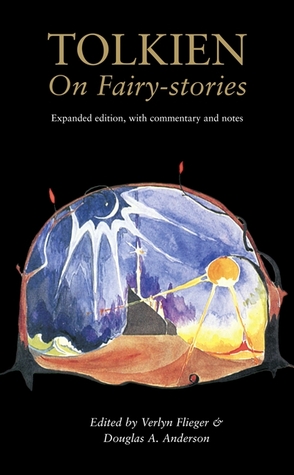
Tolkien on Fairy-stories PDF - جون رونالد تولكين
جون رونالد تولكين • روايات فانتازيا • ٥٣ الصفحات
(0)
اقتباس
مراجعة
حفظ
مشاركة
وصف الكتاب
Tolkien on Fairy-Stories by J. R. R. Tolkien
Tolkien on Fairy-Stories is one of the most important and influential works ever written about fantasy literature, myth, imagination, and the purpose of storytelling. Originally developed from a 1939 lecture and later expanded into a landmark essay, this book offers readers a deep exploration of how fairy tales and fantasy narratives shape human understanding, creativity, and emotional experience. For readers interested in the foundations of modern fantasy, literary criticism, mythology, or the creative philosophy behind works like The Lord of the Rings and The Hobbit, this text remains essential reading. (Wikipedia)
Rather than treating fairy stories as simple children’s entertainment, Tolkien argues that fantasy literature is a serious and meaningful artistic form capable of expressing truth, wonder, recovery, and emotional depth. His ideas transformed the way scholars, writers, and readers think about fantasy fiction. Concepts such as “secondary worlds,” imaginative creation, escapism, and the emotional power of myth are explored with intellectual rigor and poetic insight. Many of the principles that later defined modern fantasy literature can be traced directly to the ideas developed in this remarkable essay. (Wikipedia)
A Foundational Text for Fantasy Literature
In this expanded edition of Tolkien on Fairy-Stories, readers encounter far more than the original essay alone. The volume includes commentary, drafts, historical context, and editorial analysis that reveal how Tolkien refined his ideas over time. Edited by Verlyn Flieger and Douglas A. Anderson, the book helps modern readers understand the evolution of Tolkien’s thinking and the intellectual background behind his literary philosophy. (seknfind.org)
The essay itself examines what defines a true fairy story and why fantasy matters deeply to human culture. Tolkien discusses imagination not as an escape from reality in a negative sense, but as a meaningful way to rediscover reality with renewed clarity and emotional intensity. His famous discussions of “recovery,” “escape,” and “consolation” continue to influence writers, critics, and readers across generations. These ideas have become central not only to fantasy studies but also to broader conversations about literature, creativity, and myth-making. (Wikipedia)
Readers interested in literary theory, folklore, mythology, medieval studies, and creative writing often consider this book indispensable. It bridges academic scholarship with imaginative reflection, making it accessible to thoughtful general readers while still offering depth for scholars and serious Tolkien enthusiasts.
Understanding Tolkien’s Creative Vision
One of the most compelling aspects of Tolkien on Fairy-Stories is how clearly it illuminates Tolkien’s own creative worldview. Readers gain insight into the philosophical and artistic foundations that later shaped Middle-earth and Tolkien’s legendary storytelling style. His discussion of “sub-creation” — the human ability to create imaginative worlds within the larger framework of reality — became one of the defining ideas of modern fantasy writing. (Wikipedia)
The book also reveals Tolkien’s deep respect for myth, folklore, language, and ancient storytelling traditions. His background as a philologist and scholar of Old English and Norse literature strongly influences the essay’s themes and arguments. Rather than dismissing fairy tales as unrealistic or childish, Tolkien presents them as profound expressions of human longing, beauty, morality, and wonder.
For readers exploring the history of fantasy literature, this text offers an invaluable perspective on how modern fantasy evolved into a respected literary genre. Many later fantasy authors, critics, and world-builders have drawn inspiration from Tolkien’s ideas about mythic storytelling and immersive fictional worlds.
Themes of Imagination, Escape, and Wonder
A major reason this work remains so widely discussed is its thoughtful defense of imagination itself. Tolkien argues that fantasy allows readers to experience wonder, emotional renewal, and a deeper appreciation of existence. He challenges dismissive attitudes toward fantasy fiction and instead frames imaginative literature as a powerful artistic and emotional experience.
The essay also explores the relationship between myth and truth, discussing how fictional stories can communicate emotional and spiritual realities that ordinary language sometimes cannot express directly. Tolkien’s reflections on enchantment, beauty, and the human desire for transcendence continue to resonate strongly with readers interested in philosophy, religion, literature, and storytelling traditions. (Wikipedia)
Many readers discover that the book not only enhances their appreciation of Tolkien’s own fiction but also changes how they think about fantasy as a whole. The ideas explored here continue to shape discussions about speculative fiction, epic fantasy, fairy tales, mythopoeia, and creative writing.
Expanded Edition and Scholarly Value
This expanded edition is especially valued because it contains earlier drafts, revisions, commentary, and historical materials connected to the original lecture and essay. These additions provide a rare glimpse into Tolkien’s writing process and intellectual development. Readers interested in Tolkien studies or literary scholarship often regard this edition as one of the most important resources for understanding his theoretical approach to fantasy literature. (seknfind.org)
The editorial commentary helps contextualize Tolkien’s references, revisions, and evolving arguments, making the text more approachable for modern readers while preserving its scholarly depth. Longtime Tolkien readers frequently appreciate how the expanded materials reveal the care and precision with which Tolkien developed his literary philosophy.
At the same time, newcomers to Tolkien’s nonfiction writing can still find the book rewarding because its central ideas remain timeless and highly readable. The combination of literary criticism, philosophy, mythology, and imaginative reflection gives the work a unique intellectual richness rarely found in discussions of fantasy literature.
Why Readers Continue to Return to This Book
Decades after its original publication, Tolkien on Fairy-Stories continues to attract readers interested in fantasy, mythology, storytelling, creative imagination, and literary criticism. Its influence can be seen across modern fantasy literature, world-building traditions, role-playing games, film adaptations, and contemporary discussions about mythic storytelling.
Whether approached as a scholarly work, a philosophical essay, or a guide to understanding fantasy literature more deeply, this book remains a cornerstone of Tolkien studies and imaginative literature. Readers searching for insight into the enduring appeal of fantasy worlds and the emotional power of myth will find this work thoughtful, intellectually engaging, and deeply rewarding. (Wikipedia)
جون رونالد تولكين
جون رونالد رويل تولكين هو أحد أبرز الكتّاب في القرن العشرين وأكثرهم تأثيرًا في أدب الفانتازيا الحديث، وقد اشتهر عالميًا بكونه مؤلف ملحمتي “سيد الخواتم” و“الهوبيت”. يُعد تولكين أكاديميًا لغويًا بامتياز قبل أن يكون روائيًا، إذ عمل أستاذًا في جامعة أكسفورد، وتخصص في فقه اللغات واللغات القديمة، وهو ما انعكس بشكل عميق على أعماله الأدبية التي لم تكن مجرد قصص خيالية، بل عوالم متكاملة ذات لغات وتاريخ وأساطير خاصة بها. وُلد تولكين في جنوب أفريقيا عام 1892، ثم انتقل إلى إنجلترا في طفولته بعد وفاة والده، وهناك تشكّلت شخصيته الأدبية والعلمية.
تأثر تولكين منذ صغره بالأساطير الإسكندنافية والأنجلوسكسونية، وبدأ في بناء لغاته الخاصة مثل الكوينيا والسندارين، وهي لغات خيالية متكاملة أصبحت أساس بناء عالم “الأرض الوسطى”. خلال عمله الأكاديمي في أكسفورد، تخصص في دراسة النصوص القديمة مثل “بيوولف”، وكان له دور كبير في إعادة تفسيرها وتقديمها للأجيال الحديثة.
أثناء الحرب العالمية الأولى، خدم تولكين في الجيش البريطاني، وهي تجربة أثرت على رؤيته للعالم والصراع، وانعكست في أعماله التي تتناول موضوعات الخير والشر والصداقة والتضحية. بعد الحرب بدأ في كتابة “الهوبيت” التي نُشرت عام 1937 وحققت نجاحًا كبيرًا، مما شجعه على كتابة عمله الأكبر “سيد الخواتم” الذي نُشر في خمسينيات القرن العشرين وأصبح من أهم الأعمال الأدبية في التاريخ الحديث.
يمتاز أسلوب تولكين بالعمق اللغوي والسرد الملحمي وبناء العالم المتكامل، حيث لم يكتفِ بكتابة قصة، بل خلق حضارة كاملة بتاريخ وجغرافيا ولغات وأعراق متعددة. وقد أثّر بشكل كبير على أدب الفانتازيا المعاصر والسينما والألعاب الإلكترونية.
توفي تولكين عام 1973، لكن إرثه الأدبي ما زال حيًا، وتُعد أعماله مرجعًا أساسيًا لكل من يكتب في أدب الفانتازيا أو يهتم ببناء العوالم الخيالية.
اكسب مكافآت أثناء القراءة!
كل 10 صفحات تقرؤها وتقضى فيها 30 ثانية تمنحك 5 نقاط مكافأة! واصل القراءة لفتح الإنجازات والمزايا الحصرية.
اقرأ
قيم الآن
5 نجوم
4 نجوم
3 نجوم
2 نجوم
1 نجوم
اقتباسات Tolkien on Fairy-stories
الأعلى تقييماً
الأحدث
اقتباس
كن أول من يترك اقتباسًا واكسب 10 نقاط
بدلاً من 3
كتب أخرى لـ جون رونالد تولكين
كتب أخرى مشابهة Tolkien on Fairy-stories
'%20/%3e%3c/svg%3e "Fantastic Beasts: The Crimes of Grindelwald - the Original Screenplay")
ج. ك. رولينج.
روايات فانتازيا
(0)
7573
الإنجليزية
التعليقات
كن أول من يترك تعليقًا واكسب 5 نقاط
بدلاً من 3