

مصدر الكتاب
تم نشر هذا الكتاب بهدف النفع العام، وذلك بموجب رخصة المشاع الإبداعي، أو بناءً على موافقة من المؤلف أو دار النشر. في حال وجود أي اعتراض على النشر، يُرجى التواصل معنا لنتخذ الإجراء المناسب.
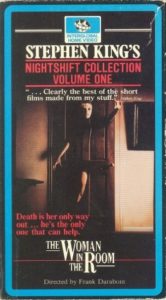
The Woman in the Room PDF - ستيفن كينغ
ستيفن كينغ • قصص قصيرة • ٢٤ الصفحات
(0)
اقتباس
مراجعة
حفظ
مشاركة
وصف الكتاب
Stephen King’s “The Woman in the Room” is a short story first published in 1978 in Night Shift, King’s first short story collection, released by Doubleday. Written by Stephen King, the story stands apart from many of the supernatural and monster-driven tales in the collection because its horror comes from grief, illness, guilt, and moral uncertainty rather than from an external creature. King’s official bibliography lists “The Woman in the Room” as a short story published in February 1978, and the story is widely associated with Night Shift, where it appears as one of the collection’s most emotionally restrained and painful pieces.
“The Woman in the Room” focuses on John, often referred to as Johnny, a man whose mother is dying of cancer in a hospital. The central conflict is simple but deeply disturbing: John wonders whether he can end his mother’s suffering by giving her an overdose of pain medication. Unlike many Stephen King stories that build suspense through supernatural threats, this story builds tension through a private ethical crisis. The fear comes from love, helplessness, and the knowledge that no choice available to John is free from pain.
At the beginning of the story, John is already trapped in a state of emotional exhaustion. His mother is no longer the strong parental figure he remembers but a patient confined to a hospital room, weakened by disease and dependent on medication. The “woman in the room” is both his mother and, in a heartbreaking sense, someone changed by illness into a distant version of herself. King uses this situation to explore how terminal illness can alter family relationships, forcing a child to confront the suffering of a parent while also confronting his own fear of death and responsibility.
John carries pills with him and repeatedly considers whether he can use them to give his mother release. Much of the plot takes place inside his mind, where memory, guilt, fear, and love collide. He thinks about his mother’s pain, the limits of medical care, and the unbearable question of whether mercy can become murder. The hospital setting makes the story feel claustrophobic: the room becomes a moral chamber where every action has emotional weight.
The story’s power lies in its refusal to offer an easy answer. John is not presented as cruel or detached; he is a son overwhelmed by compassion and despair. His mother’s suffering is real, but so is the burden of deciding what to do. King keeps the focus on the emotional reality of the situation rather than turning it into a courtroom-style debate. The result is a quiet, tragic story about a person facing a decision that no one should have to make.
As the plot moves toward its conclusion, John’s internal struggle intensifies. The reader understands what he is considering, but the suspense comes from whether he will act and how he will live with himself afterward. The ending is somber and morally complex, leaving the reader with the weight of John’s choice rather than with a neat resolution. This ambiguity is one reason “The Woman in the Room” remains memorable among Stephen King’s early short fiction.
Although Night Shift is often remembered for frightening and fantastical stories, “The Woman in the Room” shows another side of Stephen King’s writing: his interest in ordinary human terror. The story is about death, but it is also about love under unbearable pressure. It examines how grief can begin before a loved one is gone, and how compassion can become tangled with guilt. For readers searching for a Stephen King story that is intimate, tragic, and psychologically intense, “The Woman in the Room” is one of his most grounded and emotionally direct works.
ستيفن كينغ
ستيفن كينغ هو واحد من أكثر الكتّاب تأثيراً وانتشاراً في الأدب المعاصر، ويُعرف على نطاق واسع بوصفه رائداً بارزاً في أدب الرعب والتشويق والخيال المظلم، مع حضور قوي أيضاً في الرواية النفسية، والجريمة، والخيال العلمي، والفانتازيا، والدراما الإنسانية. وُلد في بورتلاند بولاية مين في الولايات المتحدة، وقد ارتبط اسمه منذ بداياته بعالم المدن الصغيرة، والبيوت المعزولة، والأسرار المدفونة، والخوف الذي ينمو من تفاصيل الحياة اليومية لا من الوحوش وحدها. ما يميّز تجربة ستيفن كينغ أن الرعب في أعماله لا يظهر بوصفه مؤثراً سطحياً، بل بوصفه وسيلة لفهم الإنسان حين يواجه الفقد، والذنب، والإدمان، والعنف، والوحدة، والسلطة، والذاكرة. لذلك استطاعت رواياته أن تتجاوز حدود النوع الأدبي، وأن تصل إلى جمهور واسع من القرّاء الذين يجدون في كتبه متعة السرد، وعمق الشخصية، وقوة التشويق، والأسئلة الأخلاقية القلقة.
بدأت شهرته العالمية مع رواية Carrie، وهي العمل الذي فتح له باب الاحتراف الأدبي وقدم للقارئ نموذجاً مبكراً عن قدرته على تحويل المراهقة، والقسوة الاجتماعية، والخوف من الاختلاف إلى حكاية مشحونة بالتوتر والرمزية. بعد ذلك توالت أعماله الكبرى مثل The Shining، وSalem’s Lot، وThe Stand، وIt، وMisery، وPet Sematary، وThe Green Mile، و11/22/63، إضافة إلى مشروعه الملحمي The Dark Tower الذي يجمع بين الفانتازيا الغربية، والرعب، والأسطورة، والتأمل في معنى الحكاية نفسها. وقد كتب أيضاً تحت الاسم المستعار Richard Bachman، مما أتاح له اختبار علاقة القارئ بالنص بعيداً عن شهرة الاسم، وقدم من خلال ذلك أعمالاً تكشف جانبه الأكثر قسوة وتجريباً.
أسلوب ستيفن كينغ يقوم على السرد الواضح المتدفق، وبناء الشخصيات بتفاصيل دقيقة، والقدرة على جعل المكان جزءاً حياً من القصة. كثير من أعماله تدور في ولاية مين أو في أماكن مستوحاة منها، حيث تتحول البلدة الصغيرة إلى مسرح لصراع بين المألوف والمرعب. كما أن اهتمامه بالحوار الشعبي، وثقافة الطبقة الوسطى، والطفولة، والصداقة، والخوف الجماعي، جعل رواياته قريبة من القارئ وراسخة في الذاكرة. ولا يقتصر تأثيره على الكتب، فقد تحولت أعمال كثيرة له إلى أفلام ومسلسلات ناجحة، منها اقتباسات شهيرة مثل The Shawshank Redemption، وStand by Me، وThe Green Mile، وMisery، وIt. هذه الاقتباسات ساهمت في ترسيخ حضوره في الثقافة الشعبية العالمية، حتى لدى من لم يقرأوا أعماله كاملة.
نال ستيفن كينغ جوائز وتكريمات مرموقة تقديراً لإسهامه الأدبي، ومنها ميدالية الإسهام المتميز في الأدب الأميركي، والميدالية الوطنية للفنون، إلى جانب جوائز عديدة في مجالات الرعب والفانتازيا والجريمة. كما يُعد كتابه On Writing من أهم الكتب الحديثة عن حرفة الكتابة، لأنه يجمع بين السيرة الذاتية والنصيحة العملية، ويكشف عن رؤيته الصارمة للانضباط، والقراءة المستمرة، والصدق الفني. وبفضل إنتاجه الغزير، وقدرته على الجمع بين الشعبية والجودة السردية، أصبح ستيفن كينغ اسماً مركزياً في تاريخ الرواية الحديثة، وكاتباً يصعب اختزاله في لقب واحد، لأنه لم يكتب عن الخوف فقط، بل كتب عن الإنسان حين يكتشف أن الخوف الحقيقي قد يكون كامناً في البيت، أو العائلة، أو الذاكرة، أو داخل النفس نفسها.
اكسب مكافآت أثناء القراءة!
كل 10 صفحات تقرؤها وتقضى فيها 30 ثانية تمنحك 5 نقاط مكافأة! واصل القراءة لفتح الإنجازات والمزايا الحصرية.
اقرأ
قيم الآن
5 نجوم
4 نجوم
3 نجوم
2 نجوم
1 نجوم
اقتباسات The Woman in the Room
الأعلى تقييماً
الأحدث
اقتباس
كن أول من يترك اقتباسًا واكسب 10 نقاط
بدلاً من 3
'%20/%3e%3c/svg%3e "Carrie")
التعليقات
كن أول من يترك تعليقًا واكسب 5 نقاط
بدلاً من 3