

مصدر الكتاب
تم نشر هذا الكتاب بهدف النفع العام، وذلك بموجب رخصة المشاع الإبداعي، أو بناءً على موافقة من المؤلف أو دار النشر. في حال وجود أي اعتراض على النشر، يُرجى التواصل معنا لنتخذ الإجراء المناسب.
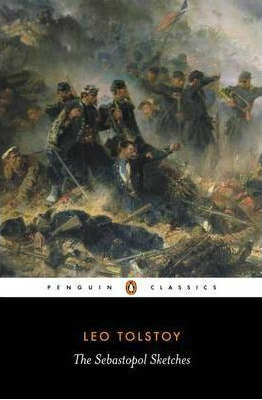
The Sebastopol Sketches PDF - ليو تولستوي
ليو تولستوي • روايات تاريخية • ١٩٢ الصفحات
(0)
اقتباس
مراجعة
حفظ
مشاركة
وصف الكتاب
The Sebastopol Sketches by Leo Tolstoy: A Classic Portrait of War, Courage, and Human Truth
The Sebastopol Sketches by Leo Tolstoy is one of the most important early works by the great Russian author, offering a powerful and unusually honest view of war long before Tolstoy wrote his monumental novels War and Peace and Anna Karenina. Based on Tolstoy’s own experience as a young artillery officer during the Siege of Sevastopol in the Crimean War, this collection brings readers into the atmosphere of a city under attack, where bravery, fear, suffering, pride, patriotism, and moral doubt exist side by side. Rather than presenting war as a distant heroic legend, Tolstoy observes it closely, showing the wounded, the soldiers, the officers, the hospitals, the trenches, and the fragile inner lives of people caught inside history.
The book is traditionally made up of three connected sketches: “Sevastopol in December,” “Sevastopol in May,” and “Sevastopol in August 1855.” Together, they form a vivid literary record of wartime Sevastopol, but they are more than historical descriptions. They reveal the beginnings of Tolstoy’s mature artistic vision: his attention to ordinary people, his distrust of empty glory, his psychological realism, and his ability to find moral seriousness in the smallest details of human behavior. For readers searching for classic Russian literature, Tolstoy war stories, Crimean War literature, or an introduction to Tolstoy’s early fiction, this book offers a compact but deeply memorable reading experience.
A Firsthand View of the Crimean War
What makes The Sebastopol Sketches especially compelling is the sense that Tolstoy is writing from direct observation rather than from romantic imagination. The scenes are shaped by the reality of siege warfare: danger is constant, death is ordinary, and heroism often appears not as grand speech or theatrical action, but as endurance, discipline, and quiet persistence. Tolstoy’s Sevastopol is a place where cannons are heard in the background, wounded men are carried through crowded spaces, officers measure themselves against ideals of honor, and ordinary soldiers continue their duties with a courage that is rarely dramatic but often profound.
Tolstoy does not reduce war to simple patriotism or simple condemnation. Instead, he presents it as a human world full of contradictions. There is courage, but there is also vanity. There is sacrifice, but there is also ambition. There is loyalty, but there is also confusion, fear, and the desire to be seen as brave. This balance gives the sketches their lasting force. Readers are not told what to think through slogans; they are invited to witness, to feel, and to judge. The result is a work that remains valuable both as historical fiction inspired by real events and as a searching moral study of war.
The Beginning of Tolstoy’s Great Realism
Although The Sebastopol Sketches belongs to Tolstoy’s early career, it already contains many of the qualities that would later define his greatest writing. His realism is not only visual; it is psychological and ethical. He notices the way people speak when they are afraid, the way status shapes behavior, the way official language can hide suffering, and the way the idea of heroism can become tangled with self-consciousness. In these sketches, Tolstoy begins to ask the questions that would later become central to his fiction: What is true courage? What does history do to individuals? How do people behave when they are near death? Can glory ever justify suffering?
For readers familiar with War and Peace, this collection is particularly fascinating because it shows Tolstoy developing his lifelong interest in battle, military life, and the difference between public history and private experience. The battlefield is not presented as a clear, orderly scene controlled by great leaders. Instead, it appears fragmented, chaotic, and intensely human. Tolstoy’s attention moves from broad historical pressure to individual perception, from military events to the inner movement of conscience. This makes The Sebastopol Sketches an essential work for anyone studying Tolstoy’s development as a writer.
Themes of Heroism, Vanity, Fear, and Moral Courage
One of the central themes of The Sebastopol Sketches is the tension between real courage and the performance of courage. Tolstoy is deeply interested in the difference between those who act bravely without needing attention and those who imagine themselves as heroes while seeking admiration. This theme gives the book a sharp psychological edge. The sketches do not deny that bravery exists; rather, they ask what kind of bravery deserves respect. Is courage found in dramatic gestures, or in the quiet acceptance of danger? Is honor a public reputation, or a private moral quality?
The book also explores the emotional cost of war. Tolstoy’s descriptions of hospitals, wounded bodies, military routines, and exhausted men create an atmosphere that is both concrete and reflective. He does not rely on exaggerated horror, but the details accumulate with great power. The reader feels the pressure of a world in which life can be interrupted at any moment, and where people must continue acting, speaking, eating, joking, commanding, obeying, and hoping despite the nearness of death. This is one reason the collection remains important in the wider tradition of anti-war literature and realist war writing.
At the same time, Tolstoy gives dignity to ordinary soldiers. He sees courage not only in officers or famous names, but in simple men who endure suffering without theatrical display. This democratic moral vision is one of the most moving aspects of the book. The greatness of the sketches lies not in battle scenes alone, but in Tolstoy’s ability to recognize humanity everywhere: in the wounded, the frightened, the proud, the humble, the young, the experienced, and the forgotten.
A Reading Experience That Is Brief but Deep
Readers who approach The Sebastopol Sketches should expect a work that is concise compared with Tolstoy’s major novels, yet rich in atmosphere and meaning. The book does not unfold like a conventional novel with a single plotline and a traditional hero. Instead, it offers a sequence of powerful impressions, scenes, observations, and moral reflections. This structure suits the subject perfectly. The experience of siege warfare is presented as immediate and unstable, made up of glimpses rather than neat conclusions.
The style is clear, intense, and observant. Tolstoy’s prose moves between outward description and inward analysis, allowing readers to see both the physical world of Sevastopol and the mental world of those who inhabit it. The sketches can be read as literary journalism, early fiction, war testimony, psychological study, and historical narrative all at once. This mixture gives the book a distinctive place in nineteenth-century Russian literature and makes it appealing to readers interested in both literature and history.
Because the work is shorter than Tolstoy’s great novels, it can also serve as an excellent entry point for readers who want to begin exploring his writing. It introduces major Tolstoyan concerns without requiring the commitment of a long novel. Yet its brevity should not be mistaken for simplicity. The moral questions it raises are large, and its images of war remain difficult to forget.
Who Should Read The Sebastopol Sketches?
The Sebastopol Sketches by Leo Tolstoy is ideal for readers who appreciate classic literature, Russian realism, historical war writing, and books that examine human nature under extreme pressure. It will especially interest readers of War and Peace, students of nineteenth-century literature, and anyone looking for a serious literary work about the Crimean War. The book is also valuable for readers who want to understand how Tolstoy’s early experiences shaped his later artistic and moral vision.
This collection is not a simple adventure story or a patriotic military tale. Its appeal lies in its honesty, depth, and restraint. Tolstoy is concerned with what war reveals about people: their courage, their illusions, their selfishness, their tenderness, and their capacity to endure. Readers who enjoy reflective, psychologically rich literature will find the sketches especially rewarding, while those interested in military history will discover a rare literary perspective from a writer who witnessed the world he describes.
Why This Tolstoy Classic Still Matters
More than a century and a half after its publication, The Sebastopol Sketches continues to speak to modern readers because it refuses to turn war into abstraction. Tolstoy brings war back to the level of the human face, the individual body, the private fear, and the moral choice. His Sevastopol is not merely a historical location; it becomes a testing ground for truth. In these pages, glory is questioned, suffering is made visible, and courage is separated from empty display.
For anyone seeking a meaningful introduction to Leo Tolstoy’s early works, this book is an essential choice. It shows a young writer already capable of extraordinary insight, already suspicious of false heroism, and already committed to portraying life with honesty and moral seriousness. The Sebastopol Sketches stands as a powerful classic of war literature, a historically grounded portrait of the Crimean War, and a revealing first glimpse of the genius that would later transform the modern novel.
ليو تولستوي
ليو تولستوي هو أحد أعظم الروائيين والمفكرين في تاريخ الأدب العالمي، وكاتب روسي ارتبط اسمه بالرواية الواقعية الكبرى وبالأسئلة الأخلاقية والروحية التي تتجاوز حدود الزمن واللغة. وُلِد في أسرة أرستقراطية روسية، ونشأ في بيئة ريفية كان لها أثر عميق في خياله الأدبي ونظرته إلى الإنسان والطبيعة والعمل والحياة البسيطة. لم يكن تولستوي مجرد مؤلف روايات طويلة، بل كان صاحب مشروع إنساني واسع حاول من خلاله فهم معنى الوجود، ومصدر الخير، وحدود السلطة، وعلاقة الفرد بالمجتمع، وقيمة الضمير في مواجهة العنف والحرب والزيف الاجتماعي. اشتهر عالميا بروايتيه الكبيرتين «الحرب والسلام» و«آنا كارنينا»، وهما عملان يعدان من قمم الأدب العالمي، لأنهما يجمعان بين السرد الواسع، والتحليل النفسي العميق، وتصوير الحياة العائلية والاجتماعية، والتأمل في التاريخ والمصير الإنساني. في «الحرب والسلام» قدّم تولستوي صورة بانورامية للمجتمع الروسي في زمن الحروب النابليونية، ولم يكتف بوصف المعارك والسياسة، بل ركز على الإنسان العادي داخل الأحداث الكبرى، وعلى الطريقة التي تتشكل بها القرارات التاريخية من تداخل آلاف الإرادات والمصادفات. أما في «آنا كارنينا» فقد بلغ ذروة نادرة في تصوير العاطفة، والزواج، والخيانة، والغيرة، والضغط الاجتماعي، وصراع المرأة والرجل مع القيم السائدة والرغبة في حياة صادقة. يتميز أسلوب تولستوي بالوضوح والقوة والاتساع، فهو يكتب عن التفاصيل اليومية كما لو كانت مفاتيح لفهم الروح البشرية، ويمنح شخصياته حياة داخلية معقدة تجعل القارئ يشعر بأنها كائنات حقيقية لا مجرد أدوات في حبكة روائية. تظهر في أعماله موضوعات متكررة مثل البحث عن الحقيقة، ونقد الامتياز الطبقي، والتعاطف مع الفلاحين، والقلق من العنف، والإيمان بالبساطة، ورفض النفاق، والسعي إلى إصلاح الذات قبل إصلاح العالم. وفي مراحل لاحقة من حياته اتجه تولستوي بقوة إلى التفكير الديني والأخلاقي، فكتب نصوصا مؤثرة عن اللاعنف، والمقاومة السلمية، والزهد، ومعنى المسيحية العملية، وأثر ذلك في مفكرين وحركات اجتماعية حول العالم. إن مكانة تولستوي لا تقوم فقط على ضخامة أعماله أو شهرتها، بل على قدرته النادرة على الجمع بين الرواية والفلسفة، وبين العاطفة والتحليل، وبين جمال السرد وقسوة السؤال الأخلاقي. لذلك بقي اسمه حاضرا في قوائم أعظم الكتّاب، وتُقرأ أعماله في الجامعات والمكتبات ودور النشر بوصفها نصوصا مؤسسة في فهم الرواية الحديثة. ومن يقرأ تولستوي يجد أمامه كاتبا يرى أن الأدب ليس تسلية عابرة، بل وسيلة لكشف الإنسان أمام نفسه، وإعادة طرح الأسئلة الكبرى عن الحب، والموت، والأسرة، والإيمان، والحرب، والحرية، والعدالة. لقد ترك ليو تولستوي إرثا أدبيا وفكريا لا يزال مؤثرا في القراء والروائيين والباحثين، لأن كتابته تمنح العالم صورة واسعة ومؤلمة وجميلة عن الإنسان في ضعفه وقوته، وفي تناقضه ورغبته الدائمة في الخلاص والمعنى.
اكسب مكافآت أثناء القراءة!
كل 10 صفحات تقرؤها وتقضى فيها 30 ثانية تمنحك 5 نقاط مكافأة! واصل القراءة لفتح الإنجازات والمزايا الحصرية.
اقرأ
قيم الآن
5 نجوم
4 نجوم
3 نجوم
2 نجوم
1 نجوم
اقتباسات The Sebastopol Sketches
الأعلى تقييماً
الأحدث
اقتباس
كن أول من يترك اقتباسًا واكسب 10 نقاط
بدلاً من 3
'%20/%3e%3c/svg%3e "War and Peace")
التعليقات
كن أول من يترك تعليقًا واكسب 5 نقاط
بدلاً من 3